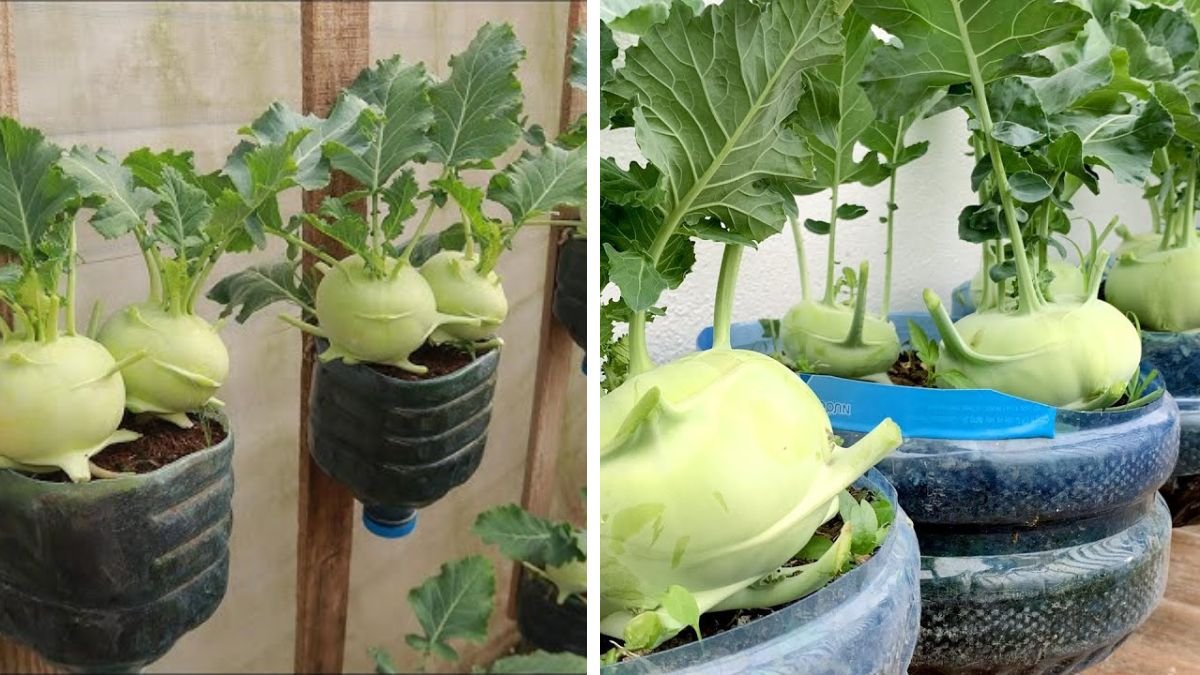

Introduction: Why Soil-Free Kohlrabi Growing Works
Kohlrabi is a fast-growing, nutritious vegetable known for its crunchy bulb. Many gardeners assume soil is essential for growing vegetables. Surprisingly, kohlrabi grows extremely well without traditional soil. Using cocopeat and nutrient solutions, terrace gardeners can grow lush bulbs. This method is clean, efficient, and space-saving. It suits urban homes perfectly. Kohlrabi matures quickly. This guide explains how to grow big, healthy kohlrabi on your terrace without soil.
Benefits of Growing Kohlrabi Without Soil
Soil-free gardening reduces disease risk. Roots receive direct nutrients. Water usage is efficient. No weeding is required. Growth is faster and uniform. Terrace spaces stay clean. Nutrient control improves bulb size. This method is beginner-friendly and reliable.
Best Kohlrabi Varieties for Soil-Free Growing
Early-maturing varieties perform best. Purple and green types adapt well. Compact varieties suit containers. Choose disease-resistant seeds. Avoid varieties requiring long seasons. Healthy seeds ensure uniform growth. Fast-growing types mature quickly. Proper selection improves success.
Containers and Growing Medium
Use buckets, tubs, or grow trays. Ensure drainage holes. Cocopeat is the primary medium. Perlite or vermiculite improves aeration. Containers should be stable. Lightweight materials suit terraces. Proper container size supports bulb development. Clean containers prevent disease.
Preparing the Soilless Growing Medium
Soak cocopeat thoroughly. Mix with compost or liquid nutrients. Medium should be moist but airy. Avoid compacting the medium. Balanced moisture supports roots. Nutrient-rich solution replaces soil. Proper preparation ensures fast growth. Healthy roots develop easily.
Planting Kohlrabi Without Soil
Sow seeds directly or transplant seedlings. Place seeds shallowly. Cover lightly with cocopeat. Water gently after planting. Avoid overcrowding. Proper spacing ensures bulb expansion. Gentle planting reduces stress. Healthy starts grow faster.
Watering and Nutrient Feeding
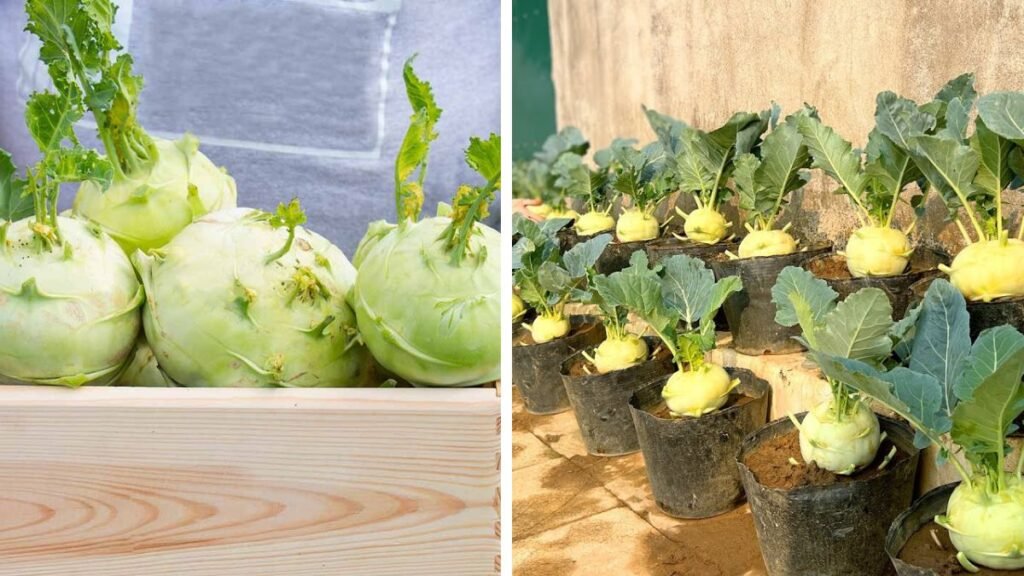
Water daily in small amounts. Use nutrient solution weekly. Avoid waterlogging. Consistent moisture supports bulb formation. Nutrient balance is essential. Nitrogen supports leaves. Potassium improves bulb size. Regular feeding ensures lush growth.
Sunlight Requirements
Kohlrabi needs five to six hours of sunlight. Morning sun is ideal. Excess heat causes stress. Partial shade helps in summer. Terrace placement matters. Rotate containers for even light. Proper sun exposure improves size. Light management ensures quality bulbs.
Temperature and Climate Control
Kohlrabi prefers cool temperatures. Protect plants from heat waves. Use shade nets if needed. Cool nights improve texture. Containers allow easy relocation. Seasonal planning improves success. Climate awareness is important. Proper conditions yield better bulbs.
Pest and Disease Prevention
Soil-free systems reduce pests. Inspect leaves regularly. Aphids may appear occasionally. Neem oil spray controls pests. Remove damaged leaves. Good airflow prevents disease. Healthy plants resist attacks. Preventive care ensures clean harvests.
Supporting Kohlrabi Plants
As bulbs enlarge, stems thicken. Ensure containers remain stable. Avoid disturbing roots. Light support may be needed. Stable plants grow better. Proper spacing prevents crowding. Support improves bulb shape. Care ensures even growth.
Harvesting Kohlrabi Bulbs
Harvest when bulbs reach tennis ball size. Cut at the base. Harvest early for tenderness. Overgrown bulbs become woody. Morning harvest preserves freshness. Proper timing improves taste. Clean cutting protects plants. Correct harvest ensures quality.
Using Terrace Space Efficiently
Arrange containers in rows. Ensure airflow between plants. Vertical shelving saves space. Easy access simplifies care. Organized layout improves sunlight exposure. Space-efficient setups increase yield. Terrace gardening becomes productive. Proper planning maximizes output.
Growth Overview Table
| Growth Stage | Time Period | Main Focus |
|---|---|---|
| Germination | One week | Moist medium |
| Leaf Growth | Two weeks | Nutrients |
| Bulb Formation | Three weeks | Water & sun |
| Harvest | Four to six weeks | Timely cutting |
Common Mistakes to Avoid
Skipping nutrients slows growth. Excess heat causes bolting. Overcrowding limits bulb size. Poor drainage causes rot. Delayed harvest reduces quality. Weak sunlight affects development. Avoiding mistakes ensures success. Proper care produces lush bulbs.
Why Soil-Free Kohlrabi Grows Faster
Roots access nutrients directly. No soil resistance slows growth. Controlled moisture reduces stress. Uniform conditions improve development. Reduced disease improves vigor. Faster growth shortens harvest time. Results are consistent. Home gardeners benefit greatly.
Benefits of Growing Kohlrabi on the Terrace
Fresh, chemical-free vegetables. No soil mess. Faster harvests. Space-efficient method. Ideal for urban homes. Easy maintenance. High nutritional value. Sustainable food production.
Final Conclusion
Growing kohlrabi without soil on your terrace is a smart and modern gardening solution. With cocopeat, nutrients, and proper care, you can harvest big, lush bulbs quickly. This method is clean, efficient, and perfect for beginners. Soil-free gardening brings fresh vegetables closer to home.