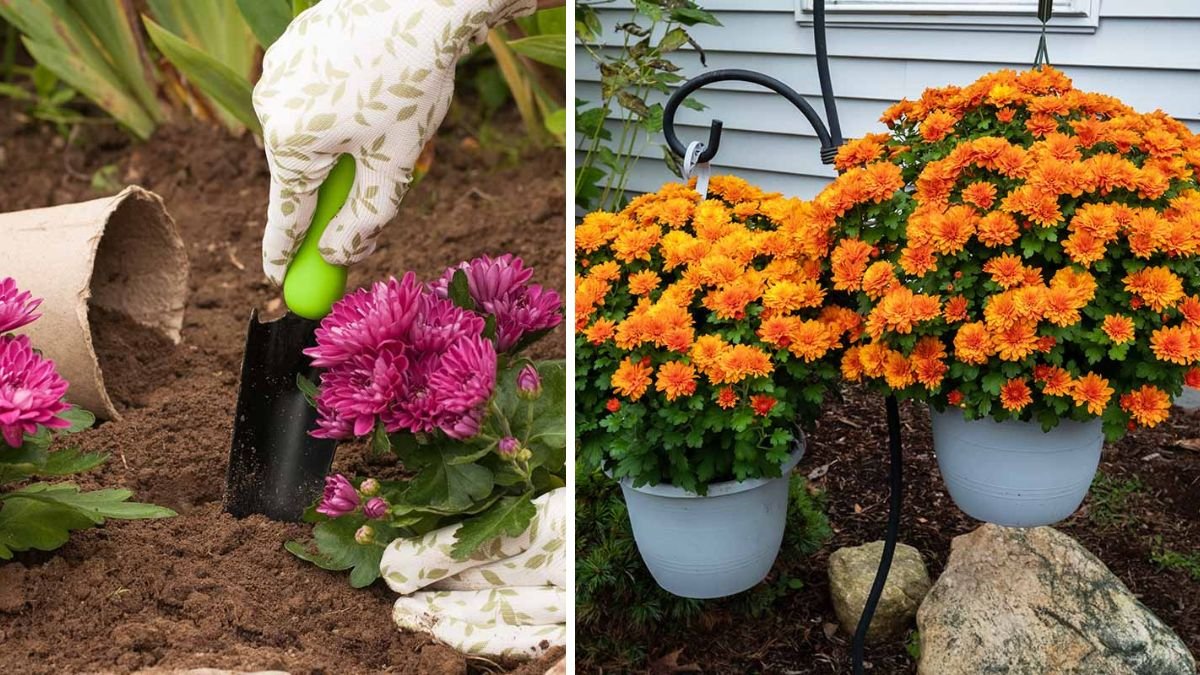

Chrysanthemums, commonly known as “mums,” are one of the most popular and versatile flowering plants. Their vibrant colors, varied forms, and long blooming seasons make them a gardener’s favorite. However, successfully growing these blooms requires more than just planting a seedling in the ground. In this comprehensive guide, we will explore the art of cultivating chrysanthemum early buds, from selecting the right varieties to providing optimal care for a stunning bloom display.
Understanding Chrysanthemums
Chrysanthemums belong to the Asteraceae family and are native to Asia and northeastern Europe. They are perennial plants, showing their beauty year after year with the right care. Chrysanthemums offer a variety of forms, including:
-
Disbudded Mums: Grown for larger blooms by removing lateral buds.
-
Pompon Mums: Small, round flowers that provide a delightful aesthetic.
-
Spoon Mums: Characterized by their petal shapes that resemble spoons.
In order to maximize the beauty of these flowers, understanding their growth habits, life cycle, and environmental needs is crucial.
Selecting the Right Variety
Choosing the right chrysanthemum variety is fundamental to creating a stunning display.
Popular Varieties
-
Garden Mums (Dendranthema x grandiflorum): These are the most common garden varieties and bloom in late summer to fall. Ideal for borders and containers, garden mums come in various colors.
-
Spray Mums: These produce multiple smaller flowers per stem and are perfect for arrangements and displays.
-
Incurved Mums: These have petal shapes that curve inward, forming a spherical shape.
-
Single Mums: Known for their simple, daisy-like flowers, these are perfect for informal garden settings.
Consider factors like bloom time, size, and color when choosing your variants. For a longer-lasting display, mix early, mid, and late-blooming varieties.
Preparing the Soil
Chrysanthemums thrive in well-drained, nutrient-rich soil that has a pH level between 6.0 and 7.0. Here’s how to prepare the soil:
Testing the Soil
Before planting, conduct a soil test to determine nutrient levels and pH balance. You can purchase a soil test kit from garden centers or send samples to a local agricultural extension office for analysis.
Soil Amendments
Depending on the soil test results, you may need to amend your soil:
-
Compost: Adding organic compost enriches the soil with essential nutrients and improves drainage.
-
Peat Moss: This helps in retaining moisture while ensuring good aeration.
-
Perlite or Sand: Incorporate these materials to improve drainage in heavy soils.
Planting Chrysanthemums
Timing
The best time to plant chrysanthemums depends on your local climate. In most regions, planting in spring (after the last frost) or in early fall is ideal. This gives plants ample time to establish roots before the cold winter months.
Planting Steps
-
Site Selection: Choose a site that receives full sun, ideally six to eight hours of sunlight a day. Avoid areas where water tends to pool.
-
Spacing: Space your plants about 18 to 24 inches apart to allow for adequate airflow and growth.
-
Planting Depth: Dig a hole deep enough to accommodate the root ball without burying the crown of the plant.
-
Watering: After planting, water thoroughly to help settle the soil around the roots.
Watering and Fertilizing
Watering
Chrysanthemums prefer consistently moist soil but are susceptible to root rot if overwatered. The rule of thumb is to allow the top inch of soil to dry out before watering again. During the growing season, regular watering is essential—especially in periods of drought.
Fertilizing
To achieve vibrant blooms, apply a balanced, slow-release fertilizer:
-
Pre-Planting Fertilization: Mix a slow-release fertilizer into the soil before planting.
-
During Growth: Fertilize every 4-6 weeks as the plants grow, especially when buds begin to form. Using fertilizers lower in nitrogen and higher in phosphorus ensures better bloom setups.
Managing Pests and Diseases
Chrysanthemums can face various pests and diseases.
Common Pests
-
Aphids: These small insects can be managedby spraying with insecticidal soap or neem oil.
-
Spider Mites: Monitor for stippling on leaves. Maintaining humidity around the plants can deter these pests.
-
Thrips: These tiny insects can cause damage to blooms. Use sticky traps or insecticidal soap for control.
Diseases
-
Powdery Mildew: Caused by excess humidity and poor air circulation, this fungal disease can be managed through adequate spacing and removing affected leaves.
-
Root Rot: Overwatering can lead to root rot. Ensure good drainage and avoid soggy soil.
-
Botrytis Blight: This fungal disease causes brown spots on leaves and flowers. Avoid overhead watering and remove infected plants promptly.
Pruning and Disbudding
When to Prune
Regular pruning encourages bushier growth and more blooms. Begin by pinching off the growing tips at about 6-8 inches tall. This encourages lateral branching.
Disbudding
For larger blooms, disbud early buds by removing all lateral buds from a stem, leaving only the central bud. This describes a meticulous process that requires patience and may affect blooming times, so plan accordingly.
Preparing for Blooming
As autumn approaches, you should start preparing your chrysanthemums for blooming.
Water Management
Reduce watering slightly to allow the plants to concentrate energy on blooming rather than leaf growth.
Light Exposure
Monitor light exposure. Chrysanthemums are short-day plants, meaning they flower best when nights are longer. If you’re growing them in greenhouses or indoors, consider using blackout curtains to simulate this condition.
Enjoying the Bloom Display
Once your chrysanthemums bloom, it’s time to enjoy the fruits of your labor. With a little specificity in timing and care, your garden can become a canvas of stunning color.
Arrangement Tips
-
Cutting Flowers: For cut flowers, harvest blooms early in the morning or late in the evening when it’s cooler to help maximize their longevity.
-
Display: Use a mix of colors and sizes for visual interest. Pair chrysanthemums with complementary plants like ornamental grasses or fall foliage for a stunning aesthetic.
FAQs
Q1: How long do chrysanthemums bloom?
A1: Depending on the variety, chrysanthemums can bloom from late summer until the first frost, typically lasting several weeks.
Q2: Can I overwinter chrysanthemums?
A2: Yes, hardy varieties can survive winter if properly mulched. In colder climates, consider bringing pots indoors during the winter months.
Q3: Do chrysanthemums require a lot of sunlight?
A3: Yes, they thrive in full sun and require at least six hours of sunlight daily for optimal growth and bloom production.
Q4: How do I know when to water chrysanthemums?
A4: Water chrysanthemums when the top inch of soil feels dry. Consistent moisture is key, but be cautious of overwatering.
Q5: What should I do if my mums are not blooming?
A5: Check for adequate sunlight, proper watering, and nutrient levels. They may also require disbudding or pruning to stimulate bloom growth.
By mastering the art of growing chrysanthemum early buds, you’ll not only enjoy a breathtaking floral display but also gain valuable gardening knowledge. Armed with the information detailed in this guide, you are now well-equipped to cultivate these beloved blooms successfully. Happy gardening!