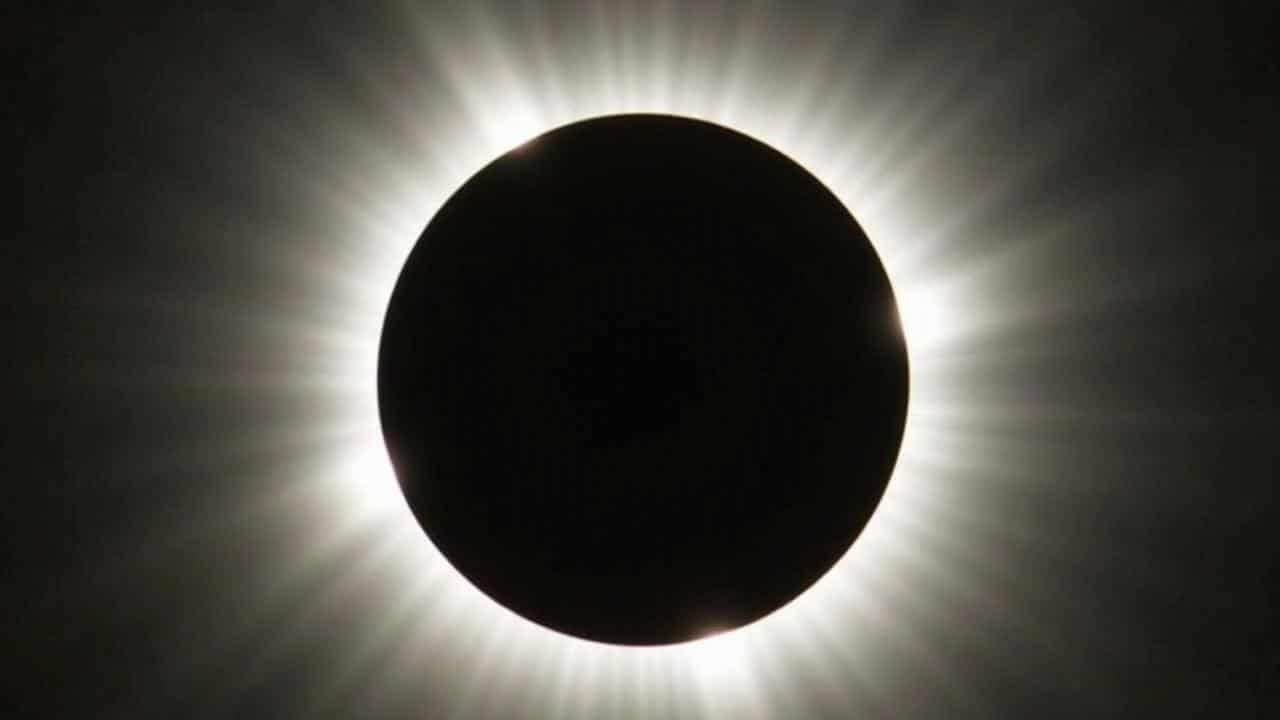

Solar eclipses are among the most awe-inspiring natural phenomena observable from Earth. They occur when the Moon passes directly between the Earth and the Sun, casting a shadow over parts of the planet and creating a temporary period of darkness during daytime. While solar eclipses happen somewhere on Earth roughly every 18 months, the longest solar eclipse of the century, set to occur in 2027, promises an extraordinary experience. This eclipse will provide an extended period of total darkness, allowing scientists, astronomers, and skywatchers to witness a spectacle like no other. In this article, we will explore the official date of this rare event, the nearly six minutes of darkness, and how visibility maps help people know where and how to view it safely.
What Makes This Solar Eclipse the Longest of the Century?
Not all solar eclipses are equal. Most total solar eclipses last just a few minutes, often ranging between two and four minutes at maximum totality. The 2027 eclipse is remarkable because it will last nearly six minutes, making it the longest total solar eclipse of the 21st century.
Several factors contribute to this extended duration:
- Moon-Earth-Sun Alignment: The Moon will be positioned at a near-perfect distance from Earth, appearing slightly larger than the Sun in the sky. This ensures total coverage of the solar disk, extending the period of complete darkness.
- Earth’s Orbit: The Earth will be near aphelion, its farthest distance from the Sun, which makes the Sun appear slightly smaller. This combination of a large Moon and a relatively smaller Sun allows totality to last longer.
- Shadow Speed: The Moon’s shadow will move relatively slowly across Earth’s surface in the regions of totality, prolonging the experience for those directly in the path.
For skywatchers, this means more time to observe solar phenomena such as the Sun’s corona, solar prominences, and bright planets visible during totality. For scientists, it offers an extended window for research and observation.
The Official Date: August 2, 2027
The longest solar eclipse of the century is scheduled for August 2, 2027. On this day, parts of the world will experience totality, while a much broader region will witness a partial eclipse.
Totality refers to the period when the Moon completely blocks the Sun’s light, plunging the region into near-nighttime darkness. During this eclipse, the maximum duration of totality will be approximately 5 minutes and 58 seconds, a rare phenomenon in modern history.
It is important to note that only those located within the path of totality will experience complete darkness. Observers outside this path will witness a partial eclipse, where the Moon covers only a portion of the Sun. Even a few kilometers outside the totality corridor can result in missing the full experience.
What Happens During Totality?
Experiencing totality is unlike anything else. The sky darkens, temperatures drop slightly, and the environment takes on an eerie twilight. During the longest eclipse of the century, observers can expect the following:
- Sun’s Corona Visibility: Normally invisible to the naked eye, the Sun’s corona will shimmer in delicate, flowing patterns surrounding the black disk of the Moon.
- Stars and Planets Appear: Bright stars and planets may become visible even in the daytime sky due to the darkness created by totality.
- Environmental Effects: Birds and animals may become silent or confused, and shadows may appear sharper.
- Emotional Impact: Witnessing totality is often described as a surreal, almost spiritual experience, giving people time to fully appreciate the scale and beauty of the cosmos.
With nearly six minutes of total darkness, observers will have an unusually long period to enjoy and document these effects.
Understanding the Path of Totality
The path of totality is a narrow strip of Earth where the Moon completely covers the Sun. Outside this path, observers only see a partial eclipse.
For the 2027 eclipse, the path of totality will:
- Begin over the Atlantic Ocean
- Move across southern Europe, including parts of Spain and Portugal
- Continue through North Africa, passing Morocco, Algeria, Tunisia, Libya, and Egypt
- Extend into the Middle East and end over the Indian Ocean
The width of the totality corridor is approximately 250 kilometers, which may seem wide but is actually narrow relative to the size of continents. Being in the exact path is crucial for experiencing the full eclipse.
How Visibility Maps Work
Visibility maps are essential tools for eclipse chasers and astronomers. These maps show:
- Totality Path: Highlighting the regions where the Sun will be completely covered. Only locations within this area will experience total darkness.
- Partial Eclipse Regions: Indicating areas where only a portion of the Sun will be obscured by the Moon.
- Timing Information: Showing when totality begins and ends at specific locations. Different parts of the path will experience maximum eclipse at slightly different times.
- Duration of Totality: Displaying how long totality will last at various points along the path. Maximum totality is usually at the center line of the corridor, while it decreases towards the edges.
Reading visibility maps is essential for planning viewing trips. For instance, people traveling from Europe to North Africa may need to adjust their location slightly to experience the longest duration of totality.
Many visibility maps also include elevation and weather data, which help observers avoid cloud cover and optimize viewing conditions. Online tools, mobile apps, and NASA’s eclipse resources provide detailed maps and predictive simulations.
Safety Tips for Observing the Eclipse
While the event is visually stunning, safety precautions are critical. Looking at the Sun without protection during partial phases can cause permanent eye damage.
- Use Certified Solar Viewing Glasses: Always wear ISO-certified solar glasses during partial eclipse phases.
- Do Not Use Sunglasses: Ordinary sunglasses or improvised filters such as CDs or tinted plastic are not safe.
- Camera Safety: If photographing the eclipse, use solar filters on cameras, telescopes, or binoculars. Never look through unfiltered optical devices at the Sun.
- Observe Totality Safely: Only during the brief period of complete totality is it safe to view the Sun without protection.
Proper planning and safety measures ensure a safe and memorable eclipse experience.
Scientific Significance of the Eclipse
This extended solar eclipse is not just a visual spectacle—it also offers immense scientific value. Researchers can:
- Study the Sun’s corona and magnetic field in detail.
- Observe solar prominences and flares, which are otherwise hidden in daylight.
- Monitor atmospheric changes, such as temperature drops and shifts in wind patterns.
- Refine models of Moon-Earth-Sun dynamics, contributing to more accurate predictions of future eclipses.
Even in the age of satellites, ground-based observations during eclipses remain vital for astronomy and space science.
Planning Your Observation
To fully enjoy the longest solar eclipse of the century, observers should:
- Choose Locations Carefully: Use visibility maps to identify spots along the path of totality.
- Arrive Early: Popular viewing sites will attract large crowds. Arriving early ensures a good viewing position.
- Prepare Equipment: Solar glasses, cameras with filters, and portable seating will enhance the experience.
- Check Weather Forecasts: Clear skies are essential. Backup locations can mitigate weather risks.
- Understand the Phases: Familiarize yourself with partial and total eclipse timings to capture the event perfectly.
Preparation ensures that viewers can safely enjoy the eclipse and fully appreciate its beauty.
A Once-in-a-Lifetime Event
Solar eclipses are awe-inspiring, but total eclipses lasting nearly six minutes are exceedingly rare. For most observers, this may be the only chance in their lifetime to witness such a long totality. The 2027 eclipse combines scientific significance, breathtaking visuals, and emotional impact, making it a historic event for skywatchers around the world.
Unlike ordinary astronomical events, the eclipse creates a shared experience, connecting millions of people under the same darkened sky. For many, the moment when the Sun disappears will be unforgettable—a reminder of the vastness and precision of the universe.
Conclusion
The longest solar eclipse of the century is set to occur on August 2, 2027, offering nearly six minutes of total darkness in a narrow path spanning southern Europe, North Africa, and the Middle East. Its extended totality, combined with breathtaking solar phenomena, makes it an extraordinary event for both casual observers and scientists.
Understanding the path of totality and using visibility maps are crucial for planning and ensuring that you experience the eclipse safely. By following proper safety measures and planning carefully, observers can witness one of nature’s most extraordinary spectacles in comfort and safety.
This event is not just a scientific or astronomical milestone—it is a shared human experience, a cosmic reminder of our place in the universe, and a rare opportunity to pause and marvel at the celestial dance of the Sun and Moon. For anyone with an interest in astronomy, August 2, 2027, is a date to mark on the calendar.