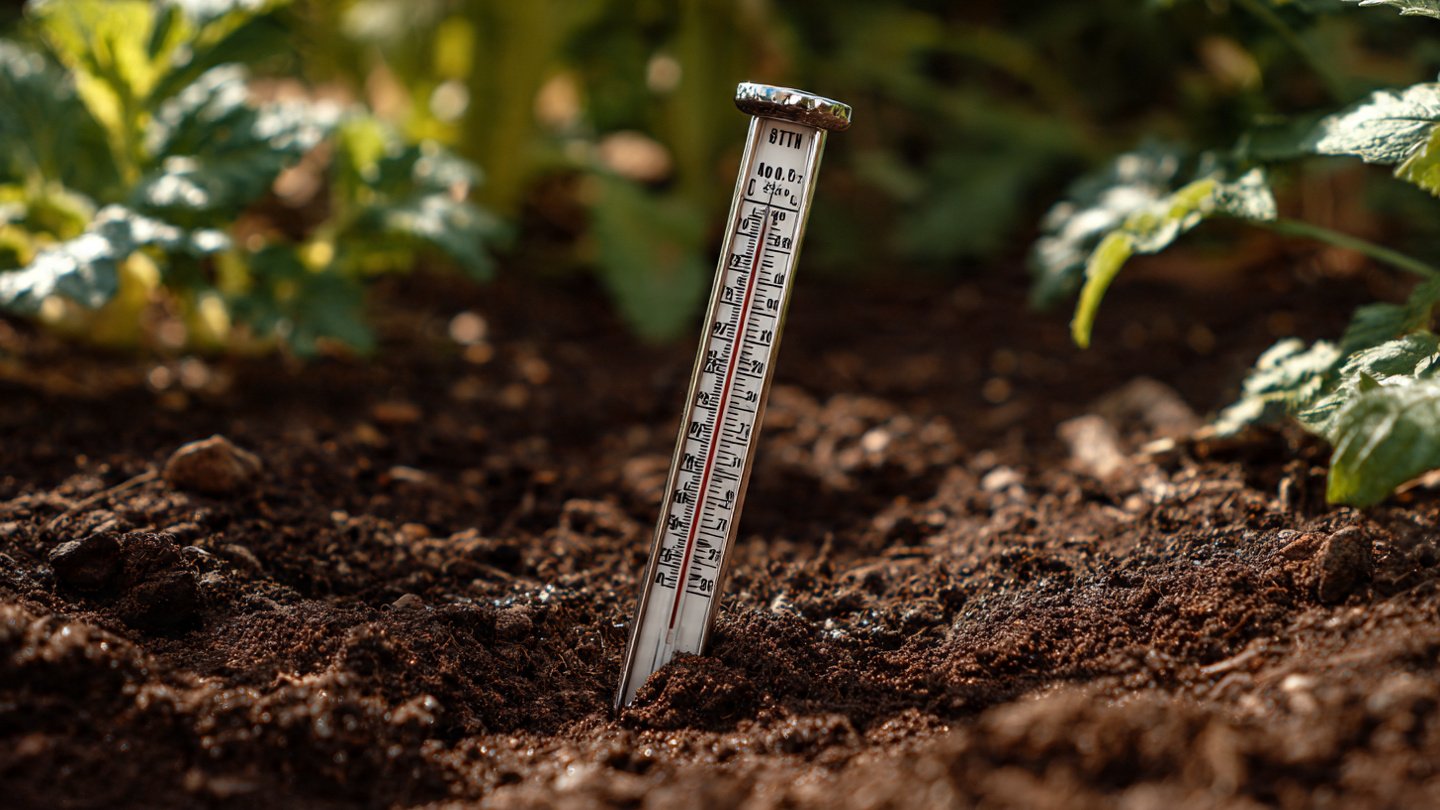

Understanding Soil Temperature for Corn Planting
Growing corn is a rewarding agricultural endeavor, providing not only a staple food but also feed for livestock, biofuel, and a variety of industrial products. However, the success of your corn crop heavily depends on one critical factor: the condition of your soil, particularly its temperature. In this article, we’ll explore why a soil thermometer is indispensable before planting and how it can help you achieve better yields.
The Importance of Soil Temperature
Soil temperature can profoundly affect seed germination, root growth, and nutrient availability. Corn seeds thrive at specific soil temperature ranges, typically around 50°F to 86°F (10°C to 30°C). Understanding this temperature range can lead to more successful plant establishment, higher yields, and less susceptibility to diseases.
When the soil is too cold, corn seeds may germinate poorly or not at all. In contrast, excessively high soil temperatures can lead to stress and overwhelm young plants. Therefore, monitoring soil temperature is a fundamental step in ensuring ideal conditions for planting.
Why Use a Soil Thermometer?
A soil thermometer is an essential tool for any serious gardener or farmer. Here are several key reasons why a soil thermometer should be part of your planting toolkit:
- Accurate Measurement: Traditional methods of estimating soil temperature, such as observing the air temperature or depending on weather forecasts, can be misleading. A soil thermometer provides accurate, direct measurements that reflect true conditions where your seeds will germinate.
- Timing Planting: Knowing the exact temperature of your soil helps time your planting perfectly. If you plant too early in cold conditions, seeds may rot or fail to sprout. If you plant too late, you risk losing out on optimal growth periods.
- Soil Management: Regular monitoring of soil temperature can help in making informed decisions about soil management practices. For example, knowing when the soil has warmed enough to plant can save resources and ensure better soil health.
- Predicting Growth Rates: Soil temperature influences rates of biological activity in the soil. Warmer soils generally lead to faster germination and growth. By tracking soil temperature, farmers can better predict and enhance crop growth rates, allowing for strategic planning in other cultivation practices.
Selecting the Right Soil Thermometer
When choosing a soil thermometer, consider the following types and features:
- Dial Soil Thermometer: This analog option provides a simple, easy-to-read display. Often large and durable, it is suitable for both home gardens and larger farms.
- Digital Soil Thermometer: These thermometers offer quick readings and often come with additional features such as backlit displays and memory functions. They can be more expensive but offer enhanced accuracy.
- Soil Probe Thermometers: Designed with a long stem, these thermometers can reach deeper soil layers, providing a more comprehensive picture of soil temperature at various depths.
How to Use a Soil Thermometer
Using a soil thermometer is straightforward. Here’s how to get accurate readings:
- Select the Right Location: Choose a location representative of the broader area you plan to plant. Avoid spots near buildings or other heat sources that may skew results.
- Insert the Thermometer: Push the thermometer into the soil to the recommended depth (usually about 4 inches). Make sure it is in contact with the soil for an accurate reading.
- Wait for the Reading: Allow the thermometer to sit for a couple of minutes to stabilize before checking the temperature.
- Monitor Regularly: Regular checks (at least a few times a week) during planting season will give you a clear understanding of temperature trends.
Soil Preparation and Testing
Before looking into soil temperature, it is crucial to prepare the soil adequately. Factors such as compaction, organic matter content, and pH can influence both temperature and overall soil health. Here’s how to prepare your soil:
- Soil Testing: Conduct a soil test to assess pH, nutrient levels, and organic matter. This information can help you make informed decisions regarding amendments needed to optimize soil conditions.
- Tilling: Tilling can aerate the soil, allowing warmth to penetrate more effectively. It can also help with mixing organic amendments and breaking up clods.
- Add Organic Matter: Incorporating compost or decomposed leaves can improve soil structure, moisture retention, and fertility, contributing to more favorable temperatures as well.
Best Practices for Planting Corn
To ensure successful corn growth, adhere to these best practices:
- Plant at Optimal Temperature: Wait until soil temperature consistently reaches at least 50°F (10°C) before planting corn. The soil should ideally be within the 65°F-75°F (18°C-24°C) range.
- Monitor Weather Conditions: Keep an eye on the upcoming weather forecasts. Sudden cool spells can impact soil temperature even after warm periods.
- Row Spacing: Proper row spacing will help capture sunlight and moisture, encouraging healthy growth while allowing for air circulation.
Conclusion
In the quest for a successful corn crop, understanding soil conditions is paramount. A soil thermometer is not merely a tool—it’s an investment in your farming future. By accurately gauging soil temperature, you can make crucial decisions that lead to successful planting, enhanced growth, and ultimately, better yields. Embrace the science of soil and ensure your planting season starts on the right foot by always checking your soil’s temperature.
FAQs
1. What soil temperature is ideal for corn growth?
The ideal soil temperature for corn growth is between 50°F to 86°F (10°C to 30°C).
2. How deep should I measure soil temperature?
Typically, you should measure soil temperature at a depth of about 4 inches for accurate readings.
3. How often should I check soil temperature?
Check soil temperature at least a few times a week during the planting season to stay informed about changing conditions.
4. Can I plant corn if the soil temperature is still too cold?
It’s advisable to wait until the soil reaches at least 50°F (10°C) to prevent poor germination or seed rot.
5. Do soil thermometers require calibration?
Most quality soil thermometers are pre-calibrated. However, it’s a good idea to periodically check their accuracy against a reliable source.