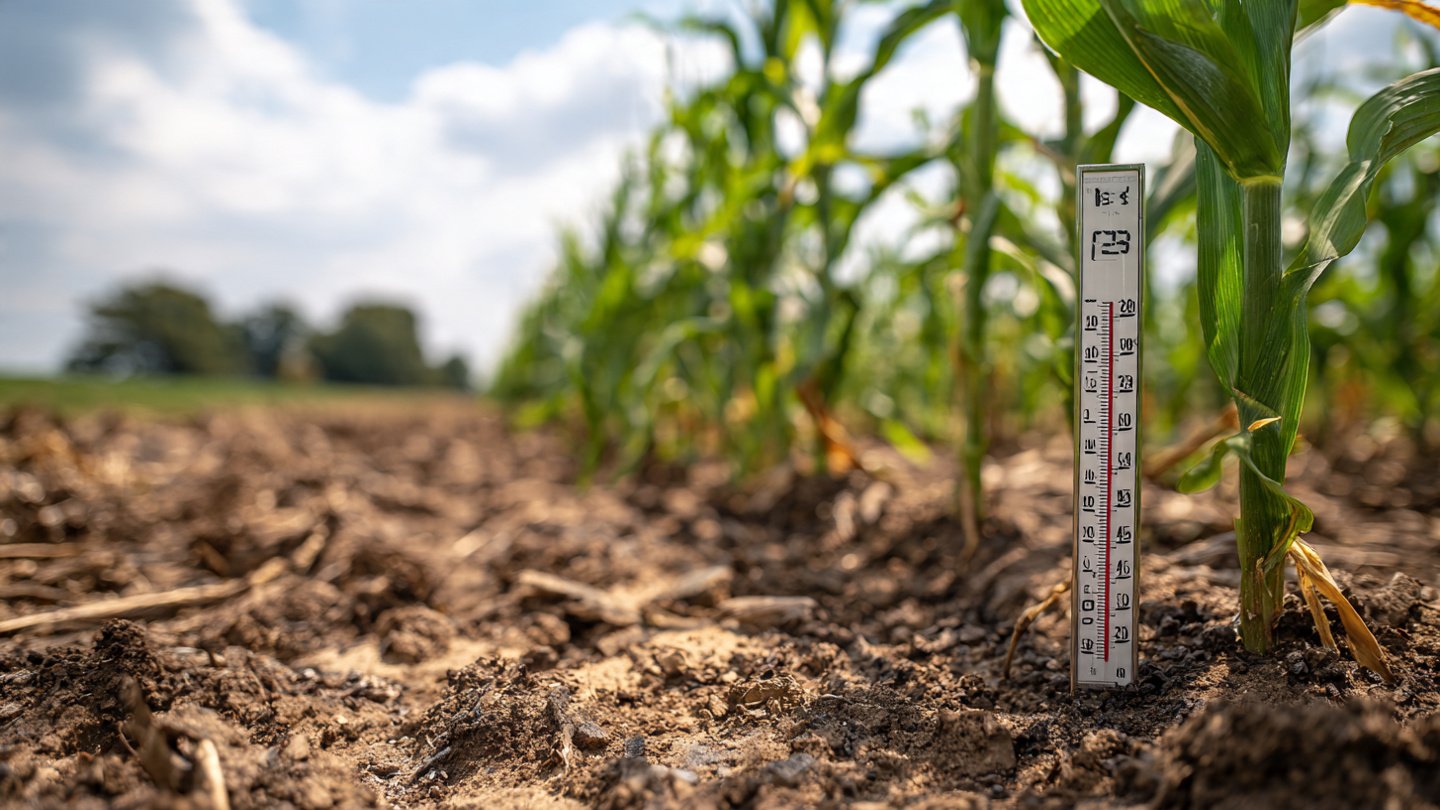

Corn is one of the most widely grown crops in the world, serving as a staple for countless diets, as well as a vital ingredient in many industrial products. However, the success of your corn crop does not merely hinge on the selection of high-quality seeds or effective fertilizers; it also relies heavily on the readiness of the soil. One critical tool that can aid in assessing your soil’s readiness is a soil thermometer. But why is it so essential to measure the temperature of your soil before planting corn? Let’s delve deeper.
Understanding Soil Temperature and its Importance
Soil temperature plays a crucial role in the germination and growth of corn. Understanding the impact of soil temperature helps farmers make informed decisions about planting times and crop management. Here’s a quick overview of how temperature influences corn cultivation:
- Germination: Corn seeds typically germinate best when soil temperatures range between 50°F and 86°F (10°C to 30°C). If seeds are planted in soil that is too cold, they may remain dormant and fail to sprout.
- Growth Rate: As soil temperature increases, so does the growth rate of the plants. Warmer temperatures encourage the roots to absorb nutrients and water more effectively.
- Root Development: Soil temperature affects root development, which is essential for nutrient uptake. Adequate temperatures promote healthy root systems, leading to better overall plant health.
Why Use a Soil Thermometer?
A soil thermometer is a simple but effective tool that allows you to measure the temperature at various depths in your soil. Here are several reasons why it is essential to use one before planting:
1. Accurate Temperature Measurement
Laying your intuition aside, a soil thermometer gives you precise temperature readings. It allows you to gauge the actual conditions of your soil rather than relying on air temperature, which can be misleading.
2. Identifying the Right Time to Plant
The timing of planting can make a significant difference in your corn yield. By closely monitoring soil temperature with a thermometer, you can determine the optimal moment to plant, ensuring that both soil conditions and weather patterns align.
3. Depth Awareness
Soil temperature can vary significantly at different soil depths. A soil thermometer allows you to measure temperatures at various levels, ensuring that the seed placement aligns with the ideal conditions for germination and growth.
4. Better Crop Management
Having a soil thermometer enables you to monitor temperature fluctuations over time. Understanding how temperature impacts growth can guide you in managing irrigation, fertilization, and pest control more efficiently.
How to Use a Soil Thermometer
Using a soil thermometer is straightforward, but there are some best practices to follow to ensure accurate readings:
1. Choose the Right Thermometer
Soil thermometers come in various forms, from digital models to traditional mercury thermometers. Ensure that you choose one that’s suitable for your depth and temperature range needs.
2. Determine Measurement Depth
For corn, it’s advisable to measure temperature at a depth of 2 to 4 inches. This depth is where corn seeds will be planted, and it’s the most relevant for determining germination success.
3. Measure in Multiple Locations
Soil conditions can vary widely across a field. To get a more accurate picture of soil readiness, measure temperatures in several spots and average those readings.
4. Monitor Regularly
Soil temperature can change significantly due to weather fluctuations. Regular monitoring will give you a better understanding of trends and help pinpoint the best planting times.
Factors Affecting Soil Temperature
Several external factors can influence soil temperature beyond simple geographical location:
- Moisture Levels: Wet soil retains cooler temperatures compared to dryer soils. A rainstorm just before planting may delay germination due to soil cooling.
- Soil Color: Darker soils absorb more heat from sunlight compared to lighter soils. The color of soil can affect how quickly it warms.
- Cover Crops or Residues: Existing vegetation can create a layer that insulates the soil, slow-warming it. If you have leftover residues from the prior crop, it may be worth managing them before planting.
Conclusion
In summary, successful corn cultivation is as much about understanding your soil as it is about selecting the right seeds and fertilizers. The soil thermometer is an indispensable tool in assessing soil readiness, facilitating optimal planting timing, and ensuring conditions are conducive to seed germination and plant growth. By measuring soil temperature at the proper depth and regularly monitoring it, you can make informed decisions that lead to healthier crops and improved yields. Investing in good-quality soil thermometer can yield significant returns in the form of a bountiful corn harvest.
FAQs
1. What is a soil thermometer?
A soil thermometer is a device used to measure the temperature of the soil at various depths, aiding in agricultural and gardening practices.
2. What temperature is best for planting corn?
Corn seeds germinate best when soil temperatures are between 50°F and 86°F (10°C to 30°C).
3. How deep should I measure soil temperature for corn?
It is recommended to measure at a depth of 2 to 4 inches where the corn seeds will be planted.
4. How often should I check my soil temperature?
Regular checks, especially before planting and during germination, can help in understanding soil conditions and making timely decisions.
5. Can soil temperature affect nutrient uptake?
Yes, soil temperature influences the metabolic processes of plants, including nutrient uptake. Warmer soils generally enhance root activity and nutrient absorption.