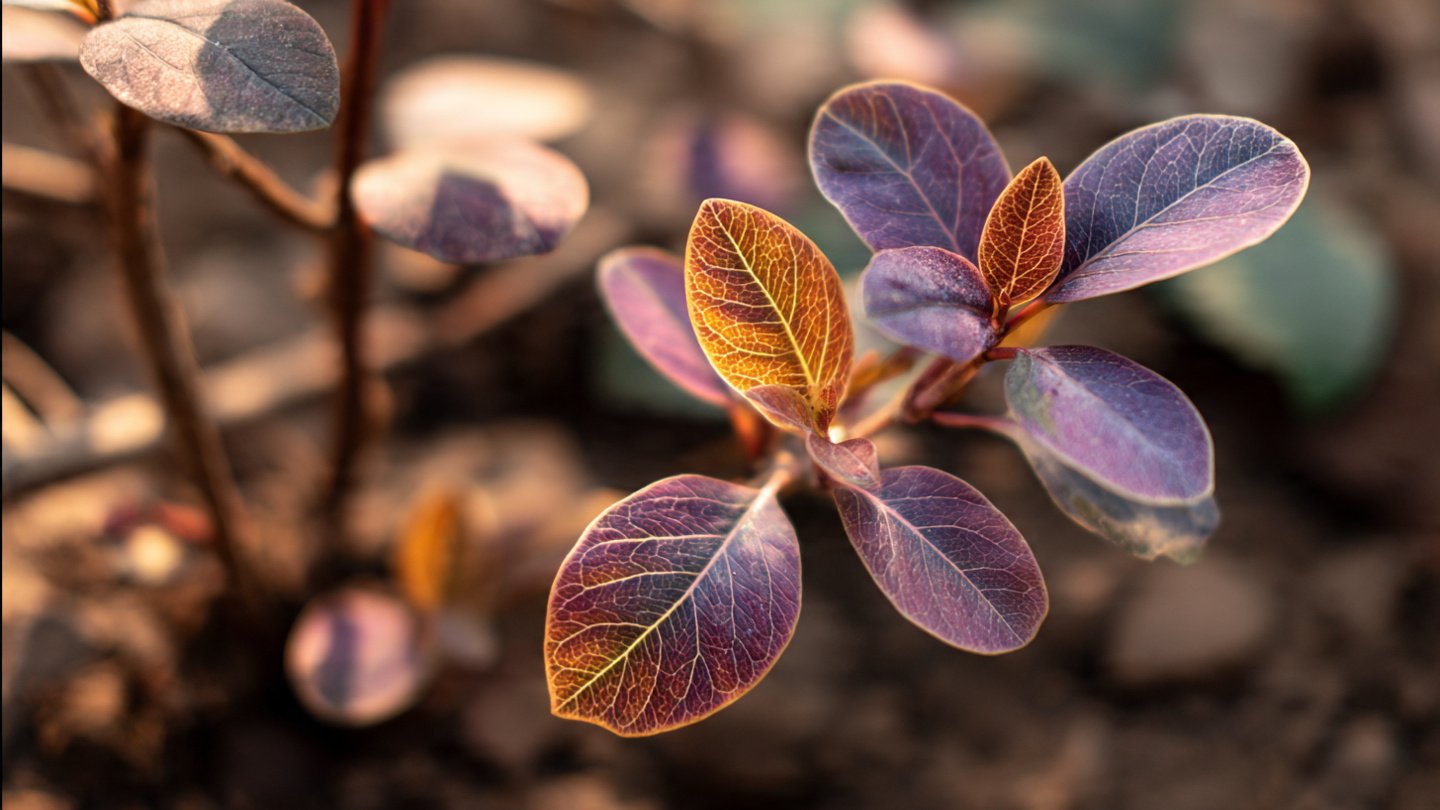

The lilac, known for its fragrant flowers and robust growth, is a beloved addition to many gardens. However, gardeners may sometimes encounter a distressing sight: brown edges on their lilac’s leaves. This phenomenon can be a sign that your plant is trying to communicate its needs or distress. Let’s explore the potential causes and remedies for this condition, and how you can ensure your lilac thrives.
The Anatomy of Lilac Leaves
To understand why brown edges may appear, it’s essential to first familiarize ourselves with the structure of lilac leaves. Lilac leaves are typically broad and heart-shaped, having a rich green color when healthy. Their significant surface area helps in photosynthesis, but it also makes them susceptible to environmental stresses. Changes in color, texture, and edges can indicate specific issues affecting the plant’s health.
Common Causes of Brown Edges on Lilac Leaves
1. Water Stress
One of the most common causes of brown leaf edges is inconsistent watering. Lilacs require well-drained soil that maintains moisture without becoming waterlogged. Both overwatering and underwatering can lead to distress:
- Overwatering: This can suffocate roots, leading to root rot and nutrient deficiencies. Symptoms include yellowing leaves and browning edges.
- Underwatering: A lack of moisture can cause leaf cells to dry out, resulting in crisp, brown edges.
2. Nutrient Deficiencies
Lilacs thrive in nutrient-rich soil. A deficiency in essential nutrients, particularly nitrogen, potassium, and magnesium, can lead to poor leaf health:
- Nitrogen Deficiency: Causes yellowing and browning, starting from the leaf edges.
- Potassium Deficiency: Specifically causes browning on leaf edges and tips, reducing the plant’s overall vigor.
- Magnesium Deficiency: Results in interveinal chlorosis (yellowing between the veins) and can cause browning at the edges.
3. Pest Infestation
Various pests such as aphids, spider mites, and scale insects can sap the vitality of your lilac. Their feeding activities can lead to browning and curling of leaves:
- Aphids: Tiny green or black insects that cluster on young leaves, causing deformities and browning.
- Spider Mites: Tiny pests that create webs and cause stippling on leaves, leading to browning edges.
- Scale Insects: Often difficult to spot, these sap-sucking pests can severely weaken plants.
4. Fungal Diseases
Fungal infections are another common issue for lilacs. Fungi such as powdery mildew can cause brown edges and leaf drop. Mold thrives in humid conditions and can hinder a plant’s ability to photosynthesize:
- Powdery Mildew: A white coating on leaves that eventually leads to browning and loss of leaves.
- Leaf Spot: Caused by various fungal pathogens, leading to brown spots and potential edges.
5. Environmental Factors
Extreme environmental conditions, such as strong winds, harsh sunlight, or freezing temperatures, can also cause leaf burn and browning:
- Sun Scorch: Excessive sun exposure, especially in hot climates, may make leaf edges dry out and turn brown.
- Frost Damage: New growth can be susceptible to late-season frosts, resulting in brown leaf edges.
How to Diagnose and Treat Brown Edges on Lilac Leaves
1. Check Watering Practices
Ensure your lilac is watering properly. Test the soil moisture by sticking your finger about an inch deep; it should feel slightly moist. If the soil is soggy, allow it to dry out before watering. If it feels dry, it’s time to water deeply but infrequently.
2. Assess Nutrient Levels
Conduct a soil test to check nutrient levels. Based on the results, amend your soil with the necessary fertilizers or organic matter to restore balance. A balanced fertilization schedule can keep your lilac healthy.
3. Inspect for Pests
Regularly inspect your plant for any signs of pests. Early detection can prevent infestations from getting out of hand. Use insecticidal soap or neem oil as a natural remedy to address pest-related issues.
4. Manage Fungal Diseases
For fungal problems, ensure good air circulation around your lilac. Prune any affected leaves and apply fungicides if necessary. Water in the morning to allow leaves to dry before evening, reducing humidity.
5. Protect from Environmental Stressors
To shield your lilac from extreme conditions, consider providing shade during peak sun hours or using windbreaks. Ensure it is planted in appropriate locations, avoiding spots prone to frost.
Conclusion
Browning edges on your lilac leaves can signify various underlying issues, from water stress to pest infestations. By carefully assessing your plant’s environment, watering practices, and nutrient levels, you can identify the problem and implement effective solutions. Regular checks and good care will not only restore your lilac’s health but also enhance its beauty, providing delightful blooms for years to come. Remember, a healthy lilac not only beautifies your garden but also brings with it the sweet fragrance of spring.
FAQs
1. How often should I water my lilac plant?
Water your lilac deeply but infrequently, ensuring the top inch of soil remains moist but not soggy, especially during dry spells.
2. What type of fertilizer is best for lilacs?
A balanced fertilizer with equal parts nitrogen, phosphorus, and potassium is ideal. Organic options like compost can also be beneficial.
3. How can I prevent pests from attacking my lilac?
Regularly inspect your lilac and encourage beneficial insects like ladybugs. You can also use neem oil or insecticidal soap as preventive measures.
4. When should I prune my lilac?
Prune lilacs after they bloom, typically in late spring or early summer, to avoid cutting off potential flower buds for the next year.
5. Can brown edges on leaves heal over time?
Brown edges typically do not heal. It’s critical to address the underlying cause to prevent further leaf damage.