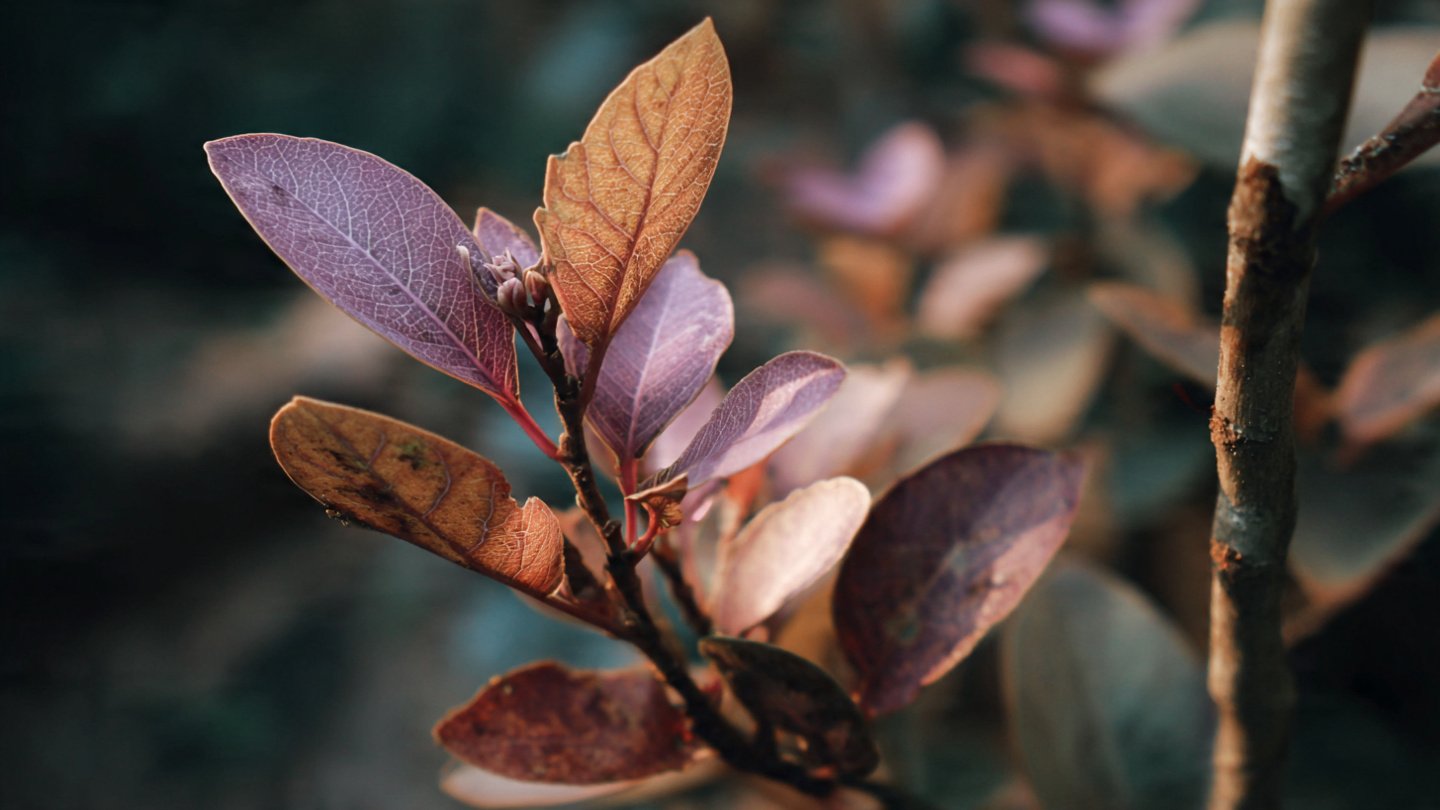

Is Your Lilac Plant Trying to Tell You Something with Brown Edges on Its Leaves?
Lilacs (Syringa) are beloved flowering shrubs that are cherished for their beautiful blossoms and delightful fragrance. However, if you notice brown edges on the leaves of your lilac plant, it may indicate that your plant is experiencing stress or a range of issues that need addressing. Understanding these signs can be crucial for maintaining a healthy lilac. This article will explore common causes of brown-edged lilac leaves, how to diagnose the problem, and the steps you can take to ensure your plant thrives.
Understanding Lilac Leaves
The first step in addressing issues with your lilac plant is understanding its leaves. Healthy lilac leaves are usually a vibrant green, glossy, and lush. They should be free from discoloration and damage. But when you see brown edges on the leaves, this can be a sign that the plant is under some form of duress, prompting the need for further investigation.
Common Causes of Brown Edges on Lilac Leaves
1. Water Stress
One of the most common reasons for brown edges on lilac leaves is related to watering issues. Both overwatering and underwatering can lead to stress in your plant. Overwatering can drown roots and lead to root rot, while underwatering can cause the plant to become dehydrated.
To diagnose whether water stress is the issue, check the soil. If it feels soggy and has a foul smell, you may be overwatering. On the other hand, dry soil that pulls away from the pot’s edges indicates that your lilac needs more water.
2. Nutrient Deficiency
Your lilac may also exhibit brown edges due to nutrient deficiencies. Essential nutrients like nitrogen, potassium, and magnesium play a vital role in your plant’s health. A lack of these nutrients can cause poor growth and browning leaf edges.
To combat nutrient deficiency, consider applying a balanced, slow-release fertilizer in the spring as new growth begins. Be sure to follow the instructions on the fertilizer packaging to avoid burning the roots with excessive application.
3. Environmental Stress
Environmental factors can significantly impact your lilac plant’s health. Factors such as temperature fluctuations, strong winds, and excessive sunlight can stress your plant, leading to browning edges. Lilacs typically thrive in full sun but require a certain level of protection from harsh conditions.
If exposure to harsh conditions is the issue, try relocating your lilac to a more sheltered area or providing shade during the hottest parts of the day.
4. Pest Infestation
Pests like aphids, spider mites, and scale insects can sap the plant’s vitality, resulting in browning leaf edges. Regularly inspect your lilac for signs of pest infestations, such as webbing or sticky residues.
If you discover pests, consider using insecticidal soap or neem oil to manage the infestation. Always test a small area first to ensure that your lilac can tolerate the treatment.
5. Fungal Diseases
Fungal diseases, such as powdery mildew or leaf spot, can cause damage to lilac leaves, leading to browning edges. These diseases are often exacerbated by poor air circulation, humidity, and improper watering practices.
For disease management, ensure that your lilac is sufficiently spaced from other plants to allow for air circulation and apply fungicides as needed to combat fungal growth.
How to Diagnose the Problem
Diagnosing the cause of brown edges on your lilac’s leaves can be straightforward if you take a systematic approach. Here’s how:
- Check the Soil: Analyze the moisture level and texture of the soil. Is it too wet or too dry?
- Inspect Leaves: Look for signs of pests or diseases, including spots, webbing, or sticky secretions.
- Assess Location: Consider whether your lilac is getting too much sun or if it’s being subjected to harsh wind.
- Examine Fertilization Practices: Review your fertilization schedule and ensure that your lilac is receiving adequate nutrients.
Steps to Revive Your Lilac
- Adjust Watering: If overwatered, allow the soil to dry out before watering again. For underwatered plants, provide deep watering to ensure that moisture reaches the roots.
- Fertilize Appropriately: Apply a balanced fertilizer according to the package instructions to replenish nutrients.
- Relocate the Plant: If environmental stress is the issue, consider moving the lilac to a more suitable location.
- Address Pests and Diseases: Treat your lilac with appropriate pest control or fungicide methods as needed.
Conclusion
If your lilac plant has brown edges on its leaves, it is trying to communicate that something is amiss. By understanding the common causes and recognizing the signs, you can take steps to address these issues and revive your lilac to its vibrant, healthy state. Regular monitoring and proper care will ensure your lilac continues to thrive and enchant you with its beauty for many seasons to come.
FAQs
Q1: Can browning leaves on my lilac plant be reversed?
A1: Yes, with proper attention to watering, nutrients, and environmental conditions, you can often reverse the browning of leaves.
Q2: How often should I water my lilac plant?
A2: Water your lilac deeply but infrequently, allowing the soil to dry out between waterings. Check the topsoil regularly to avoid overwatering.
Q3: What type of fertilizer is best for lilacs?
A3: A balanced, slow-release fertilizer with equal parts nitrogen, phosphorus, and potassium is ideal for lilacs.
Q4: Are chemical treatments necessary for pest control?
A4: Not necessarily. You can often manage pests with natural remedies like neem oil or insecticidal soap; however, severe infestations may require chemical treatments.
Q5: Why are the leaves turning yellow in addition to browning?
A5: Yellowing leaves can indicate nutrient deficiencies, overwatering, or pest infestations and should be addressed promptly.