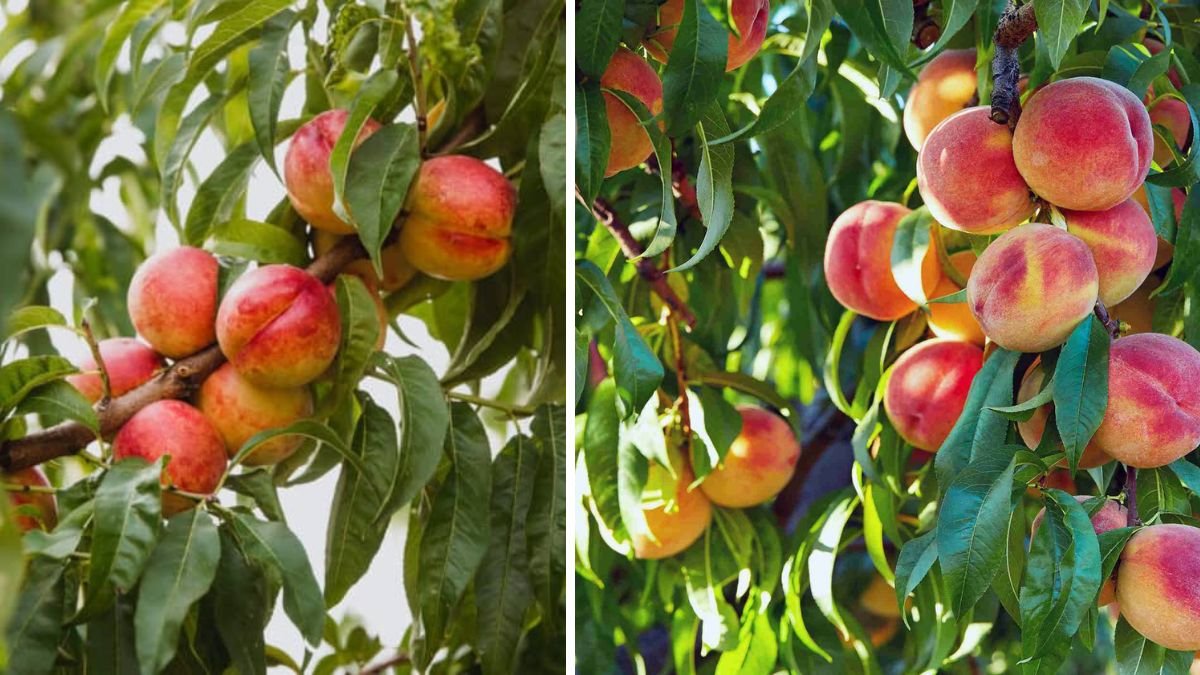

Canada’s diverse climates allow for the cultivation of various fruits, including nectarines. Early nectarines, with their sweet flavor and juicy texture, can thrive in several regions if given the right care. This article will guide you through the process of successfully growing early nectarine varieties in Canada to ensure a bountiful harvest.
Understanding Nectarines
Nectarines are a smooth-skinned fruit closely related to peaches, belonging to the same species, Prunus persica. They are prized for their sweet, aromatic flavor and are available in several varieties, including early, mid, and late-season types. For Canadian growers, early varieties are the best choice due to the shorter growing season.
Selecting the Right Early Varieties
Choosing the right nectarine variety is crucial, especially in Canada’s variable climate. Some recommended early varieties include:
- Flavortop: Known for its sweet, flavorful flesh, it ripens early and has good disease resistance.
- Sunglo: This variety is renowned for its large size and excellent taste.
- Fantasia: A freestone variety that boasts a delicious flavor and a high yield.
Local Adaptation
When selecting varieties, consider your local climate and soil conditions. Consult local agricultural extensions or nurseries that specialize in fruit trees for specific recommendations tailored to your area.
Site Selection and Preparation
Climate Considerations
Nectarines thrive in warm, sunny locations, ideally with full sun exposure for at least 6-8 hours a day. They require a climate that provides a chilling period in winter, which is essential for fruit set. Choose a site with well-drained soil and protection from harsh winds.
Soil Preparation
-
Testing Soil: Conduct a soil test to determine pH and nutrient levels. Nectarines prefer slightly acidic to neutral soil (pH 6.0 to 7.0).
-
Amending Soil: Based on your test results, amend the soil with organic matter, such as compost, to improve drainage and nutrient availability.
Planting
Best Time to Plant
The ideal time to plant nectarines in Canada is in early spring, just as the ground thaws. This allows the trees to establish roots before the heat of summer.
Planting Techniques
- Spacing: Space your nectarine trees about 15-20 feet apart to allow for proper air circulation and light penetration.
- Planting Depth: Dig a hole twice as wide as the root ball and deep enough to accommodate the roots without bending them. Set the tree in the hole, ensuring that the graft union (the bulge on the trunk where the tree was grafted) is at soil level.
- Watering: Water the tree immediately after planting to eliminate air pockets and promote root establishment.
Care and Maintenance
Watering
Nectarines require consistent moisture, especially during the growing season. Ensure the soil remains moist but not soggy. Drip irrigation is ideal, as it conserves water and minimizes the risk of fungal diseases.
Fertilization
Apply a balanced fertilizer in early spring before new growth begins. Look for a fertilizer with equal parts nitrogen, phosphorus, and potassium (e.g., 10-10-10).
- Organic Options: Organic fertilizers such as compost or well-rotted manure can also be beneficial.
Pruning
Pruning is essential for maintaining the health and productivity of nectarine trees. The best time to prune is late winter or early spring before bud break.
- Removing Dead or Diseased Wood: Cut away any dead or diseased branches to promote better airflow.
- Shaping the Tree: Aim for an open center structure to allow sunlight to reach all parts of the tree.
Pest and Disease Management
Nectarines can be susceptible to various pests and diseases, including:
- Peach Leaf Curl: This fungal disease causes distortion and discoloration of leaves. Prevent it by applying a fungicide in early spring.
- Aphids: Monitor for these pests, which can cause leaf curling. Use insecticidal soap for treatment if they appear.
- Brown Rot: A common fruit disease that can affect nectarines. Ensure good air circulation and remove any infected fruit.
Mulching
Applying a layer of organic mulch around the base of the tree will help retain soil moisture, suppress weeds, and improve soil nutrients as it decomposes. Ensure mulch is kept away from the trunk to prevent rot.
Harvesting
Most early nectarine varieties will be ready for harvest within 4-6 months after flowering, typically from late July to early August in Canada.
Signs of Ripeness
- Color: Look for a change in color; fruits should develop a rich, vibrant color.
- Firmness: Gently squeeze the fruit; it should yield slightly but not be too soft.
- Aroma: Ripe nectarines will emit a sweet, fragrant aroma.
Harvesting Techniques
Carefully twist or cut the fruit from the tree to avoid damaging the stems. Handle them gently to prevent bruising.
Storing and Using Your Nectarines
Fresh nectarines are best enjoyed right after harvest. However, if you have a large harvest, consider the following:
- Storage: Store ripe nectarines in the refrigerator for up to a week. For longer storage, consider canning or freezing.
- Uses: Nectarines are versatile and can be used in desserts, jams, salads, or simply enjoyed raw.
FAQs
1. Can I grow nectarines in pots?
Yes, growing nectarines in pots is possible. Choose a dwarf variety and provide consistent care, including watering and fertilization.
2. How often should I water my nectarine trees?
Water your nectarine trees weekly, or more frequently in hot weather, ensuring that the soil remains consistently moist but not waterlogged.
3. When do I prune my nectarine trees?
Prune nectarine trees in late winter or early spring before new growth begins to encourage a healthy structure.
4. Are nectarines self-pollinating?
Most nectarine varieties are self-pollinating, but planting more than one tree can increase fruit yield and quality.
5. How can I prevent pests and diseases on my nectarines?
To prevent pests and diseases, ensure good air circulation around the tree, maintain healthy soil, and monitor regularly for symptoms. Use organic treatments when necessary.
6. What is the best fertilizer for nectarines?
Use a balanced fertilizer (10-10-10) in early spring. Organic options, like compost or well-rotted manure, are also effective.
Conclusion
Growing early nectarines in Canada can be a rewarding experience, enriching your garden and palate. By selecting the right variety, preparing your site, providing proper care, and being vigilant against pests, you’ll be on your way to enjoying a sweet and bountiful harvest. Happy gardening!