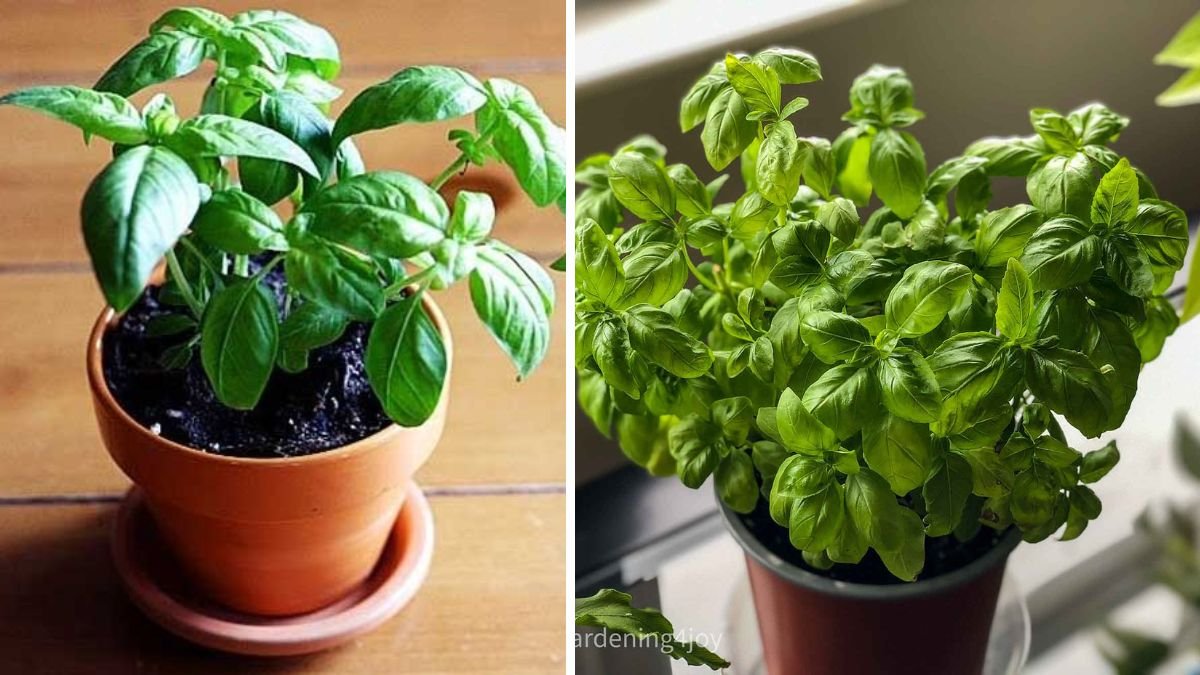

Basil, with its aromatic leaves and versatile culinary uses, is a favorite among herb gardeners. It thrives in warm climates, making it an excellent choice for those living in hot regions. Growing basil year-round requires understanding its needs and adapting your gardening practices accordingly. This guide will help you cultivate a robust basil garden, ensuring a constant supply of fresh leaves for your kitchen.
Why Grow Basil?
Basil (Ocimum basilicum) is not only a flavorful herb used in various dishes, from pasta to salads, but it also offers numerous health benefits, including antioxidant properties and anti-inflammatory effects. Growing basil in your garden can provide a fresh and aromatic touch to your meals.
Understanding Basil’s Growing Conditions
1. Climate Preferences
Basil thrives in warm weather, preferring temperatures between 70°F to 85°F (21°C to 29°C). It can tolerate higher temperatures but may suffer if the temperature exceeds 90°F (32°C) for extended periods. Additionally, basil enjoys full sunlight—aim for at least 6-8 hours of direct sunlight daily.
2. Soil Requirements
Basil prefers well-draining, nutrient-rich soil with a pH level between 6.0 to 7.0. Good organic matter content helps retain moisture and nutrients, so consider using compost or well-rotted manure to improve soil quality.
3. Watering Needs
Basil requires consistent moisture, especially in warmer climates. However, over-watering can lead to root rot. It’s crucial to find a balance, ensuring the soil is damp but not soggy.
Steps to Successfully Grow Basil
1. Choosing the Right Variety
There are many varieties of basil, each with unique flavors and characteristics. Popular options include:
- Sweet Basil: The most common culinary type, great for Italian dishes.
- Thai Basil: Has a distinct anise flavor, perfect for Asian cuisine.
- Genovese Basil: Heavily aromatic and ideal for pesto.
- Lemon Basil: Offers a citrus scent, excellent for teas and salads.
Choose a variety that suits your culinary preferences and growing conditions.
2. Starting from Seeds or Seedlings
Starting from Seeds:
- If growing from seeds, start indoors 6-8 weeks before the last frost or sow them directly outdoors once the soil temperature reaches 70°F (21°C).
- Plant seeds about 1/4 inch deep in seed-starting mix, keeping the soil consistently moist until germination, which usually takes 5-10 days.
Using Seedlings:
- Purchase healthy seedlings from a nursery, ensuring they are free from pests and diseases.
- Transplant them outdoors after the threat of frost has passed.
3. Planting Basil
When planting basil, whether from seeds or seedlings, consider the following:
- Spacing: Space plants about 12-18 inches apart. This allows for air circulation, reducing the risk of disease.
- Companion Planting: Basil benefits from companion planting with tomatoes, peppers, and other herbs, which can enhance growth and flavor.
4. Providing Sunlight and Shelter
Ensure your basil plants receive adequate sunlight:
- Full Sun: Basil thrives best in full sun, so choose a location where they get at least 6-8 hours of sunlight.
- Protection from Extreme Heat: In exceptionally hot regions, consider providing some afternoon shade during peak temperatures to prevent scorching.
5. Watering and Nutrition
- Watering: Water basil deeply but infrequently. Allow the top inch of soil to dry out before watering again. Drip irrigation or soaker hoses can help provide consistent moisture without wetting the leaves.
- Fertilizing: Use a balanced, organic fertilizer every 4-6 weeks to promote healthy growth. A fertilization schedule can be adjusted based on soil quality and plant growth.
6. Pruning and Harvesting
Regular pruning encourages bushy growth and prevents flowering, which can alter the flavor of the leaves.
- Pruning: Pinch off the top leaves regularly to encourage branching. Remove flower buds as they appear; this helps keep the plant focused on leaf production rather than seed production.
- Harvesting: Harvest basil regularly by snipping off the leaves as needed. The best time to harvest is just before flowering, in the morning when the oils are most concentrated.
7. Pest and Disease Management
Basil is prone to pests such as aphids, whiteflies, and spidermites. Monitor your plants regularly and take action if you notice any infestations.
- Natural Controls: Introduce beneficial insects like ladybugs or use insecticidal soap to manage pests.
- Disease Prevention: Ensure good air circulation, avoid overwatering, and use disease-resistant varieties whenever possible.
8. Growing Indoors
If you’re unable to grow basil outdoors year-round due to extreme heat or cold, consider growing it indoors.
- Container Gardening: Choose a pot with drainage holes and fill it with high-quality potting mix.
- Light Requirements: Place the pots near a sunny window or use grow lights to ensure they receive enough light.
- Humidity: Indoor air can be dry; consider using a humidity tray or misting the plants occasionally to maintain moisture.
Extending the Harvest
To have fresh basil throughout the year, consider these methods:
- Succession Planting: Sow new seeds or transplant seedlings every few weeks to ensure a continuous supply of basil.
- Preservation: Freeze basil leaves in ice cube trays with water or oil, or dry leaves for long-term storage. Each method preserves the flavor and aroma of the herb.
Common Challenges and Solutions
-
Leggy Growth: If your basil plants are tall and spindly, they are likely not getting enough light. Move them to a sunnier location or supplement with grow lights.
-
Browning Leaves: This may indicate either over-watering or under-watering. Check the soil moisture and adjust your watering schedule accordingly.
-
Wilting Leaves: If leaves droop despite adequate watering, check for pests, diseases, or root issues.
-
Flowering: If your basil begins to flower, it’s time to prune. Remove the flower buds to redirect energy into leaf production.
FAQs
1. How can I tell if my basil plant is getting enough light?
Signs that your basil is receiving adequate light include deep green leaves, compact growth, and a bushy appearance. If the plant is leggy (tall with sparse leaves), it may not be getting enough light.
2. Can I grow basil from cuttings?
Yes, basil cuttings can be rooted in water. Place a healthy basil stem in a glass of water, ensuring the lower leaves are submerged. Change the water regularly, and when roots develop, transfer it to soil.
3. How often should I water basil?
Water basil when the top inch of soil feels dry. In hot climates, this could mean watering daily or every couple of days, while in cooler weather, every 4-7 days may be sufficient.
4. What pests should I watch out for?
Common pests include aphids, spider mites, and whiteflies. Regularly inspect your plants and use appropriate pest control measures if you notice any infestations.
5. How do I store fresh basil?
To store fresh basil, place it in a vase with water as you would flowers. Alternatively, you can refrigerate the leaves wrapped in a damp paper towel inside a plastic bag. For long-term storage, freeze or dry the leaves.
6. What should I do if my basil bolts?
If your basil starts to flower (bolt), immediately prune off the flower heads to encourage leaf growth again. Once bolting occurs, the flavor of the leaves may change, so it’s best to harvest and use the leaves quickly.
Conclusion
Growing basil in warm climates year-round can be a rewarding endeavor, allowing you to enjoy fresh flavors in your cooking while enhancing your garden with fragrant greenery. By following the guidelines outlined above, you can cultivate a thriving basil patch that will satisfy your culinary cravings and elevate your cooking experiences. Happy gardening!