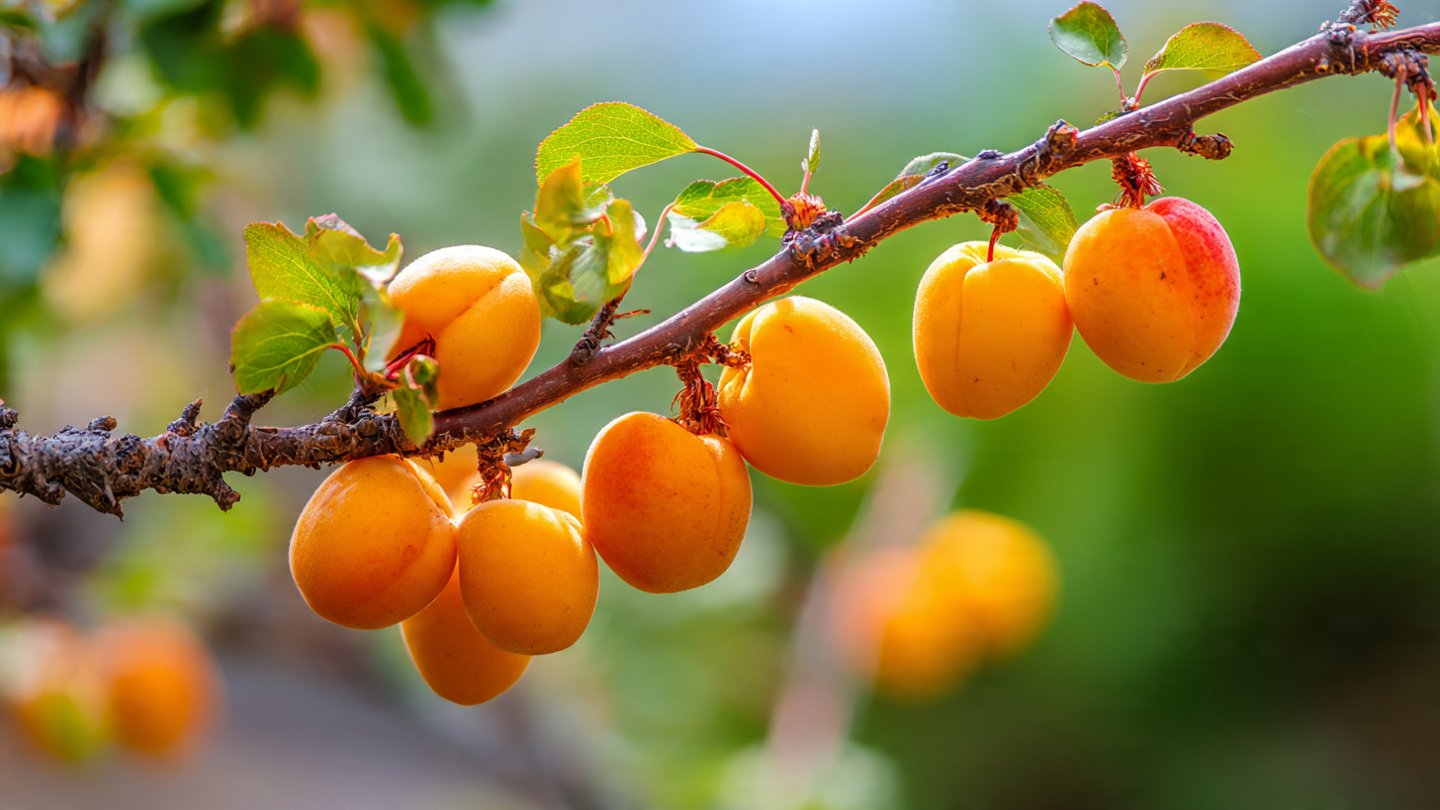

Growing fruit trees can be a rewarding experience, and an apricot tree is a great option for those looking to cultivate sweet, nutritious fruit. With the right care, frost-resistant apricot trees can thrive even in less-than-ideal weather conditions, allowing gardeners to enjoy a bountiful harvest year-round. In this article, we’ll explore the essentials of growing, caring for, and harvesting apricot trees, as well as addressing common FAQs.
1. Understanding Frost-Resistant Apricot Varieties
Before you start planting, it’s essential to select the right variety. Frost-resistant apricot trees are specially bred to withstand colder temperatures during their blooming cycle. Here are some popular frost-resistant varieties:
- Tilton: Known for its adaptability, Tilton offers a good balance between sweet and tart flavors.
- Perfection: This variety produces large, flavorful apricots that are exceptionally sweet and ideal for fresh eating.
- Rival: A hardy tree that produces medium-sized fruits, Rival stands up well to cold temperatures.
When choosing a variety, consider your climate, soil characteristics, and intended use (eating raw, cooking, etc.).
2. Choosing the Right Location
Selecting the ideal location for your apricot tree is crucial. Here are some key factors to keep in mind:
Sunlight
Apricot trees require full sun to thrive. Ideally, they should receive at least 6-8 hours of direct sunlight each day. A well-lit area promotes healthy growth and fruit production.
Soil Conditions
Apricot trees prefer well-drained, sandy loam soil with a pH between 6.0 and 7.0. Conduct a soil test to assess your garden’s conditions. If necessary, amend the soil with compost or organic matter to improve drainage and nutrient content.
Space
Ensure you provide ample space for your apricot tree to grow. Most varieties need about 15-20 feet of space from other trees and structures to reduce competition for nutrients and sunlight.
3. Planting Your Apricot Tree
Timing
The best time to plant your apricot tree is in early spring or fall when temperatures are mild. Avoid planting during extreme heat or cold to minimize stress on the young tree.
Steps for Planting
- Dig a Hole: Create a hole twice as wide and just as deep as the root ball of your apricot tree.
- Prepare the Roots: If the tree is in a container, gently remove it and loosen any tightly bound roots.
- Position the Tree: Place the tree in the center of the hole. Ensure that the graft union (the swollen area where the tree variety was grafted to a rootstock) is above the soil level.
- Backfill: Fill the hole with a mix of native soil and compost, ensuring there are no air pockets.
- Water: Water the tree thoroughly after planting to help settle the soil.
4. Caring for Your Apricot Tree
Watering
Apricot trees require consistent moisture, especially during their first few years. Water deeply but infrequently, allowing the top few inches of soil to dry out before the next watering. During hot, dry periods, increase watering frequency.
Fertilizing
Start fertilizing your apricot tree one year after planting. Use a balanced fertilizer or one specifically designed for fruit trees. A spring application of nitrogen-rich fertilizer can promote healthy growth. Alternatively, consider organic options like compost or well-rotted manure.
Pruning
Regular pruning is essential for maintaining tree health and good fruit production. Here’s how to prune your apricot tree:
- Timing: Prune while the tree is dormant, typically in late winter or early spring.
- Techniques: Remove dead or diseased branches, any crossing limbs, and excessive growth to allow light and air to reach the center of the tree. Aim for a well-spaced, open canopy.
Pest and Disease Control
Frost-resistant apricot trees can still be affected by pests and diseases. Monitor your tree regularly and use organic treatments to address issues like aphids or plum curculio. Fungal infections like brown rot can be managed by ensuring good airflow with proper pruning and avoiding overhead watering.
5. Protecting Against Frost
Even frost-resistant varieties can be vulnerable to late winter and early spring frosts. Here are some strategies to protect your apricot tree:
- Location: Planting in a protected area, like near a fence or building, can help shield the tree from cold winds.
- Mulching: Apply a layer of mulch around the base of the tree to retain soil warmth.
- Frost Cloths: Use frost cloths or blankets to cover the tree on particularly cold nights. Remove them during the day to allow sunlight in.
6. Harvesting Apricots
Timing
Apricots are typically ready to harvest in late spring to early summer, depending on the variety and climate. The fruit should be slightly soft to the touch and have a vibrant color.
Techniques
Use gentle twisting or a pair of pruning shears to remove the apricots from the tree. Be careful not to pull too hard, as this can damage the branches.
7. FAQs
Q1: How long does it take for an apricot tree to bear fruit?
A1: Most apricot trees will begin to bear fruit within 3-4 years after planting, although some may take longer depending on the variety and growing conditions.
Q2: Do I need to plant more than one apricot tree for pollination?
A2: While some apricot varieties are self-pollinating, planting two or more trees can improve yields and fruit quality.
Q3: Can apricot trees survive in pots?
A3: Yes, apricot trees can be grown in pots, especially dwarf varieties. Ensure the pot has good drainage and is large enough to accommodate the root system.
Q4: How can I tell if my apricots are ripe?
A4: Apricots are ripe when they are slightly soft to the touch, have a fragrant scent, and exhibit a vibrant color. If you have to pick them hard, they won’t ripen properly.
Q5: What is the best way to store apricots?
A5: Fresh apricots can be stored in the refrigerator for up to a week. For longer storage, consider freezing or canning.
Q6: How do I know if my apricot tree is healthy?
A6: A healthy apricot tree will have healthy foliage, produce flowers in spring, and bear fruit in the summer. Look out for signs of disease such as yellowing leaves, unusual spots, or stunted growth.
Conclusion
Growing a frost-resistant apricot tree in your backyard can provide you with delicious fruit for years to come. By selecting the right variety, choosing a suitable location, and implementing proper care techniques, you can enjoy a thriving apricot tree that not only beautifies your garden but also rewards you with a bountiful harvest. With care and attention, your apricot tree will become a cherished part of your landscape, offering culinary delights season after season. Happy gardening!