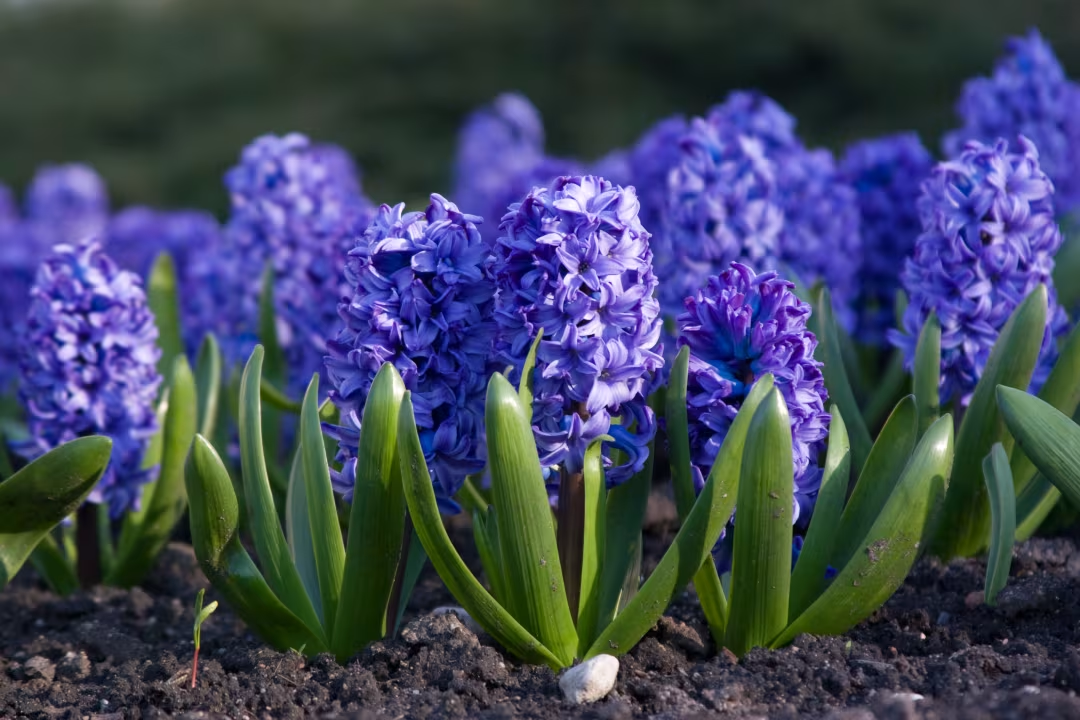

Hyacinths may look like they belong in a formal garden, but these fragrant spring bulbs are surprisingly easy to grow at home. Few flowers signal the arrival of spring quite as clearly, with their rich colors and lush, upright blooms that have made them a beloved classic for generations of gardeners.
Planted in the fall and left mostly undisturbed, hyacinths reward gardeners with vibrant flowers the following season. Even better, they’re forgiving and beginner-friendly, so no advanced gardening skills are required. With the right timing, proper drainage and a gentle touch when it comes to watering, hyacinths can brighten your garden year after year. Here’s what gardening experts say you need to know about planting, watering and overall care for healthy hyacinths.
This Lovely $5 Plant Is Coming to Aldi, and It’s the Perfect Spring TouchThis Lovely $5 Plant Is Coming to Aldi, and It’s the Perfect Spring Touch
Watch More
1. Cold Exposure Is a Must
Unlike many spring bloomers, hyacinths require a long period of cold in order to flower properly. This chilling period signals the bulb to develop strong roots and store energy required for dense, fragrant blooms. When it comes to hyacinths, strong blooms start before they’re planted.
“In warmer climates, bulbs should be pre-chilled before planting or purchased pre-chilled,” says Adrian Aviles, owner of Athletic Club Flower Shop in Los Angeles. “Without it, flowers will be short or misshapen.” Meanwhile, in colder regions, nature will largely do the work for you.
Gene Caballero, co-founder of GreenPal, recommends chilling hyacinth bulbs for 8-10 weeks in a refrigerator or cold space before planting if you live in a warm climate. Store them in a paper bag away from fruit, which can release ethylene gas and damage young hyacinth bulbs.
2. Drainage Matters More Than Soil Richness
Hyacinths are very sensitive to excess moisture, much more so than nutrient-poor soil. While hyacinths won’t say no to organic matter, soggy conditions and wet soil can cause bulbs to rot before they ever sprout.
“Plant in raised beds or amend heavy soil with grit or sand,” Aviles advises. “Rich but soggy soil is a guaranteed failure.”
Chris Link, co-owner of Plant Addicts, says planting depth and placement is also key. Plant bulbs in fall about 4-6 inches deep, or slightly deeper in sandy soil, with the pointed side facing up. Hyacinths thrive in full sun and need 6-8 hours of direct sunlight each day for strong stems and vibrant flowers. They’ll tolerate partial shade, but too little sun can cause blooms to flop.
“Mix a little compost into the planting hole and avoid high-nitrogen fertilizer,” Link suggests. “Too much nitrogen pushes leaves over flowers and can encourage bulb rot.”
3. Water Once, Then Leave Them Alone
Once planted, hyacinths don’t need much attention at all. Hyacinths should be watered thoroughly after planting to help settle the soil, then let nature take over and do its job.
“Hyacinths prefer drier conditions while establishing,” Aviles says. “Overwatering is the most common mistake gardeners make.” In fact, natural fall and winter precipitation is often enough to meet their moisture needs.
During spring bloom, additional watering is typically unnecessary unless conditions are unusually dry. You can also grow hyacinths in containers, but make sure pots have drainage holes and never allow them to sit in standing water, which can cause the bulbs to rot.
4. Expect Weaker Blooms in Future Years
One thing many gardeners don’t realize is that hyacinths naturally decline after their first year of flowering, and this is simply nature’s way. Their famously dense, tightly packed blooms are often the strongest in year one, so be sure to set realistic expectations for yourself and your plants.
“For strong displays, many gardeners treat them as short-term performers and replant fresh bulbs every few seasons,” Aviles says.
That doesn’t mean you can’t coax additional blooms, though they may be smaller and less showy. Deadheading spent flowers prevents the plant from wasting energy on seed production, which helps the bulb recharge.
Leave foliage intact until it yellows naturally, since those leaves feed the bulb for next year’s growth. Once leaves die back, they can be trimmed away and the bulb left dormant until the following spring.
5. Watch for Common Problems
The good news is that hyacinths are often pest-free, but they’re prone to attracting squirrels and other rodents who often can’t resist digging up bulbs. Plant bulbs deeper, use wire mesh or add sharp gravel to planting holes to help deter animals from disturbing your growing hyacinths.
Fungal rot is the main disease concern, but this is almost always caused by excess moisture. That’s why ensuring proper drainage and spacing are your best tools for prevention. Plant hyacinth bulbs about 3-6 inches apart to promote airflow and give them ample space to grow.
It’s no secret why hyacinths are a longtime favorite amongst gardeners. With a proper chill period, well-draining soil and minimal watering, these spring favorites do most of the work themselves, while delivering unmatched fragrance and color to usher in the new season.