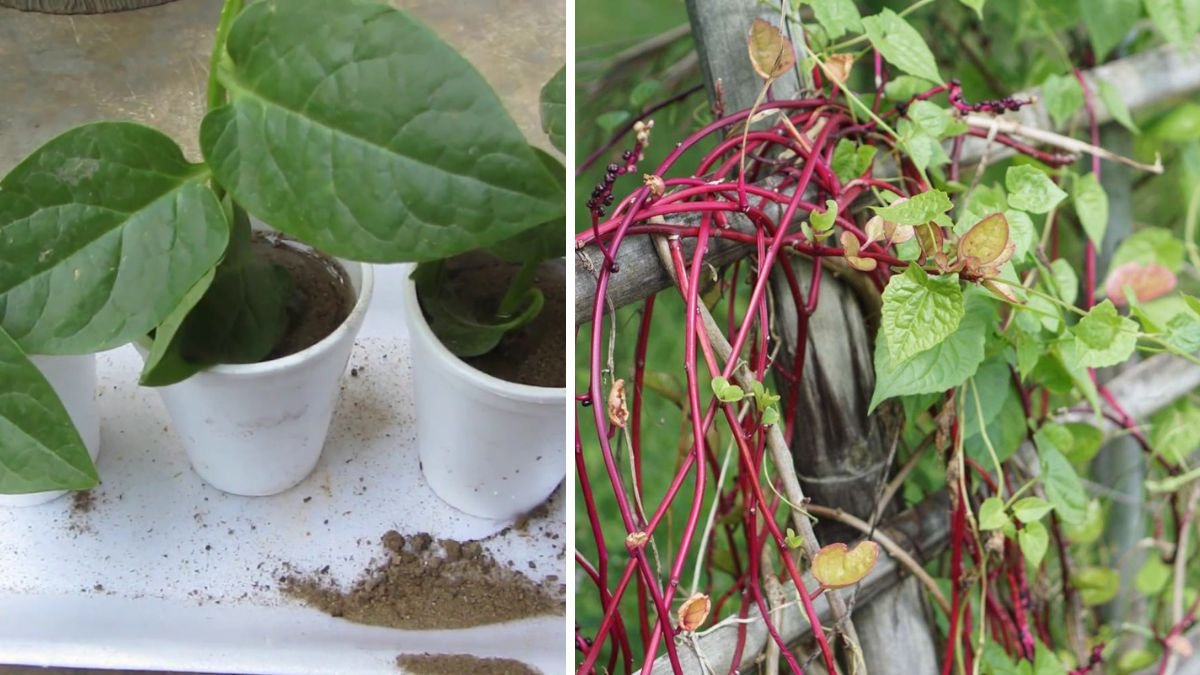

Malabar spinach (Basella alba) is a heat-loving, fast-growing vine that thrives where traditional spinach struggles. For gardeners, whether beginners or experienced, growing Malabar spinach from cuttings is a simple, cost-effective way to increase your leafy green supply quickly. This propagation method is faster than starting from seeds, easy to manage, and perfect for container gardening, balconies, or backyard beds. In this article, we’ll explore everything you need to know about this brilliant idea, including step-by-step propagation, care tips, and common mistakes to avoid.
Why Choose Malabar Spinach?
Unlike conventional spinach, Malabar spinach is a tropical vine with thick, succulent leaves. It thrives in warm, humid climates where ordinary spinach may bolt quickly or fail to grow. The leaves are not only edible but highly nutritious, containing vitamins A and C, iron, and antioxidants.
One of the plant’s best traits is its vigorous growth habit. With proper care, it can climb trellises or fences, producing a continuous supply of fresh leaves. Propagating from cuttings makes it easy to expand your garden without the expense of seeds and ensures you maintain the genetic characteristics of a particularly healthy parent plant.
Step-by-Step Guide to Growing Malabar Spinach from Cuttings
Propagating Malabar spinach from cuttings is straightforward. By following these steps, you can root cuttings successfully and enjoy a thriving crop of leafy greens.
1. Select Healthy Cuttings
Choose strong, healthy stems from an existing plant. Look for green, firm stems that show no signs of disease or pest damage. Cut 4–8 inches long segments just below a leaf node. Leaf nodes are crucial as they contain the cells that will develop roots.
2. Prepare the Cuttings
Trim off the lower leaves, leaving just a few at the top. This reduces moisture loss while allowing the cutting to focus energy on root development. Optionally, dip the cut end in rooting hormone to encourage faster root growth, though this step is not strictly necessary for success.
3. Root in Water or Soil
You have two reliable options for rooting your cuttings:
- Water Method: Place the cuttings in a clean container filled with water, ensuring that the lower nodes are submerged. Change the water every 2–3 days to prevent stagnation and bacteria growth. Roots typically appear within 1–2 weeks.
- Soil Method: Plant the cuttings directly in a well-draining potting mix. Keep the soil consistently moist but avoid waterlogging, as soggy soil can cause rot. Use a small stick or support to keep the cutting upright until roots develop.
Both methods are effective, but water propagation allows you to monitor root growth visually before transplanting.
4. Provide Light and Warmth
Malabar spinach thrives in moderate to full sunlight. Place your cuttings where they receive at least six hours of sunlight daily. Warm soil and ambient temperatures (around 70–85°F or 21–29°C) promote faster root formation and overall healthy growth.
5. Transplant the Rooted Cuttings
Once roots are about 2–3 inches long, transplant the cuttings into garden beds or containers. If planting in the garden, enrich the soil with compost to support vigorous growth. Trellises or other supports are highly recommended since Malabar spinach is a climbing vine.
Care Tips for a Thriving Malabar Spinach Garden
To maximize growth and harvests, follow these essential care tips:
Sunlight and Temperature
This plant prefers warm conditions and plenty of sunlight. It grows best in areas that receive 6–8 hours of direct light each day. In hotter climates, partial shade during the peak afternoon hours helps prevent leaf scorching.
Soil and Watering
Malabar spinach grows in a variety of soils but thrives in well-draining, nutrient-rich soil. Maintain consistent moisture without overwatering. Mulching around the base helps retain moisture, regulate soil temperature, and suppress weeds.
Support Structures
Being a climbing vine, Malabar spinach benefits from trellises, fences, or stakes. Vertical growth prevents sprawling, keeps leaves clean, and encourages better air circulation, reducing the risk of fungal infections.
Pruning
Regular trimming encourages bushier growth and more leaves. Pinch back the tips of vines to promote lateral branching. You can also harvest leaves continuously once the plant is established, which stimulates further growth.
Common Mistakes to Avoid
Even though propagating Malabar spinach is straightforward, beginners often make avoidable mistakes:
- Overwatering: Excess water leads to root rot. Keep the soil moist but not soggy.
- Planting Too Deep: Nodes should be just under the soil surface to allow quick root formation.
- Insufficient Light: Weak sunlight causes leggy, slow-growing vines that produce fewer leaves.
- Neglecting Support: Without trellises, vines may sprawl and become prone to disease and pests.
Why Growing from Cuttings Is a Brilliant Idea
There are several reasons why propagating Malabar spinach from cuttings is a smart choice:
- Faster Than Seeds: Roots develop within days, compared to weeks with seeds.
- Cost-Effective: No need to purchase seeds if you already have a healthy plant.
- Maintains Parent Traits: Cuttings produce clones of the parent, preserving desirable characteristics.
- Beginner-Friendly: Requires minimal technical knowledge and has a high success rate.
This method allows gardeners to expand their crop quickly, enjoy year-round harvests, and experiment with vertical gardening techniques.
Authoritative Resources
For deeper insights and expert advice, consider the following sources:
- University of Guam Cooperative Extension: Guide to Malabar spinach propagation and care. Link
- Balcony Garden Web: Practical advice for cuttings and container gardening. Link
- Ambitious Harvest: Step-by-step guide to rooting and transplanting. Link
- ForwardPlant: Tips on propagation and rooting hormone use. Link
These resources provide science-based guidance and additional tips to help your Malabar spinach thrive.
Conclusion
Growing Malabar spinach from cuttings is a brilliant idea for gardeners looking to expand their green harvest efficiently. It’s faster than starting from seeds, highly cost-effective, and perfect for beginners. With proper selection, rooting, sunlight, watering, and support, your Malabar spinach will flourish in garden beds or containers, offering a continuous supply of nutritious, delicious leaves.
Whether you are a backyard gardener or container enthusiast, this propagation method ensures success and makes growing your own greens both rewarding and simple. Start today, and watch your Malabar spinach thrive!