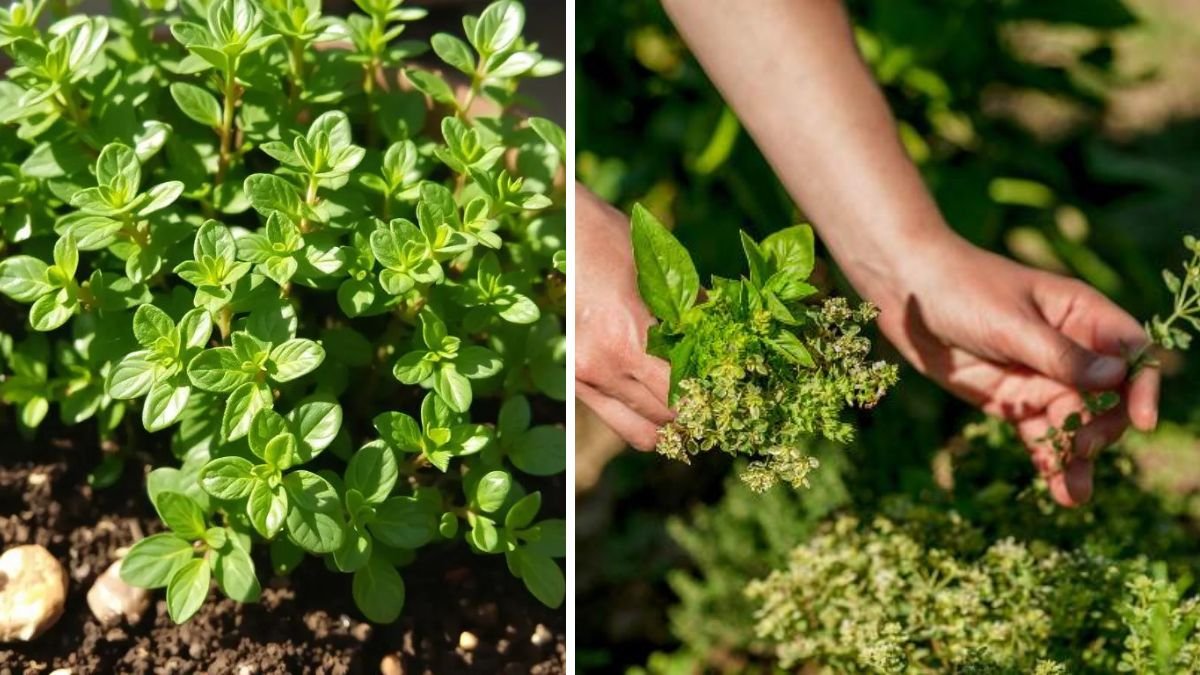

Oregano (Origanum vulgare) is a beloved herb that brings vibrant flavor and aroma to countless dishes. Known for its culinary versatility and medicinal properties, oregano is a staple in Mediterranean and Italian cuisine. Cultivating a healthy oregano plant can yield abundant harvests of fragrant leaves. This guide outlines how to grow, care for, and harvest oregano to ensure maximum flavor and aroma.
Choosing the Right Variety
Before diving into cultivation techniques, it’s essential to select the right variety of oregano. While most people are familiar with Mediterranean oregano (Origanum vulgare), other varieties, such as Greek oregano and Mexican oregano, offer unique flavors.
- Mediterranean Oregano: Known for its robust flavor, ideal for cooking.
- Greek Oregano: Slightly spicier, excellent for pizza and pasta dishes.
- Mexican Oregano: Different from Mediterranean varieties and has a more pungent flavor, ideal for Mexican cuisine.
For this article, we will focus primarily on Mediterranean oregano, as it’s the most commonly used in cooking.
Ideal Growing Conditions
Location
Oregano thrives in warm, sunny environments. Whether you choose to grow oregano in your garden, a container, or indoors, ensure it receives at least 6 to 8 hours of direct sunlight each day. Select a spot that is sheltered from strong winds, which can damage this herb.
Soil
Oregano prefers well-draining soil. A sandy or loamy soil enriched with organic matter will help your plant flourish. Here are some tips for preparing the soil:
- pH Level: Aim for a soil pH between 6.0 and 8.0. You can test your soil pH with a testing kit available at garden centers.
- Add Organic Matter: Mix in compost or well-rotted manure to improve soil nutrition and drainage.
Planting Time
Oregano is best planted in the spring after the danger of frost has passed. If you’re growing from seeds indoors, start them 6 to 8 weeks before your last expected frost date.
Planting Oregano
From Seeds
- Start Indoors: Use seed trays or small pots with seed starting mix. Plant seeds about 1/8 inch deep and keep the soil moist but not soggy.
- Germination: Seeds typically germinate in 7 to 14 days. Provide warmth and light to encourage growth.
- Transplanting: Once seedlings develop a few sets of true leaves, transplant them into larger pots or directly to the garden.
From Cuttings or Divisions
- Cuttings: Take cuttings from a healthy oregano plant. Place the cuttings in water or potting soil to encourage root development.
- Divisions: You can divide mature oregano plants by gently uprooting and separating the root clumps. Replant them in prepared soil.
Spacing
When planting oregano in the garden, space plants about 12 to 18 inches apart. This allows for air circulation and reduces the risk of fungal diseases.
Caring for Oregano
Watering
Oregano is drought-tolerant once established. Water young plants regularly, ensuring that the soil stays slightly moist but does not become waterlogged. As the plant matures, decrease the frequency of watering.
- Check Moisture: Stick your finger into the soil; if it feels dry an inch down, it’s time to water.
Fertilizing
Oregano doesn’t require heavy fertilization. A light application of balanced fertilizer during the growing season will suffice. Use organic fertilizers like fish emulsion or a balanced NPK fertilizer.
Pruning
Regular pruning helps maintain plant health and encourages bushier growth.
- Pinch Back: Pinch off the tips of the stems throughout the growing season to promote branching.
- Remove Flowers: If flower buds appear, remove them promptly. This encourages the plant to focus on leaf production instead of flowering.
Pest Control
Oregano is generally pest-resistant, but keep an eye out for aphids, spider mites, and whiteflies. Natural pest control methods include introducing beneficial insects like ladybugs or using insecticidal soap.
Harvesting Oregano
The best time to harvest oregano is just before the plant begins to flower. This is when the leaves are at their most flavorful.
How to Harvest
- Cutting: Use sharp garden scissors or pruning shears to cut stems. Cut just above a pair of leaves to encourage new growth.
- Timing: Harvest in the morning after the dew has dried for optimal flavor.
Drying and Storing
To preserve the flavor of your oregano, consider drying the leaves:
- Air Drying: Hang bundles of oregano upside down in a dark, dry, and well-ventilated area.
- Dehydrator: Use a dehydrator for faster drying.
- Storage: Store dried oregano in airtight containers, ideally in a cool, dark place.
Fresh Use
Fresh oregano can be used immediately in dishes such as pasta sauces, salads, and marinades for an aromatic kick.
Common Challenges and Solutions
Yellowing Leaves
If your oregano leaves are turning yellow, it could be a sign of overwatering or nutrient deficiency. Check the soil moisture and consider fertilizing with a balanced organic fertilizer.
Leggy Growth
Insufficient light can cause oregano to grow tall and spindly. Move the plant to a sunnier location or provide supplemental lighting if indoors.
FAQs
1. How long does oregano take to grow?
Oregano typically takes about 90-100 days from seed to harvest. If grown from cuttings or divisions, it can produce leaves within a few weeks.
2. Can I grow oregano indoors?
Yes! Oregano can be successfully grown indoors. Ensure it receives plenty of sunlight or use grow lights to meet its light requirements.
3. How often should I water oregano?
Water oregano when the top inch of soil feels dry. Once established, it requires less frequent watering, approximately once a week.
4. Does oregano grow well in pots?
Absolutely! Oregano grows well in pots, making it a great choice for balconies or small outdoor spaces. Ensure the pot has drainage holes.
5. When is the best time to prune my oregano plant?
Prune oregano throughout the growing season, especially before flowering occurs. This encourages bushier growth and better leaf production.
6. How can I encourage the best flavor in my oregano?
For the strongest flavor, harvest just before the plant flowers and provide plenty of sunlight and well-draining soil during the growing season.
7. Can I use oregano medicinally?
Yes, oregano has several health benefits, including antimicrobial properties. However, consult with a healthcare professional before using it for medicinal purposes.
Conclusion
Cultivating a lush and full oregano plant requires careful attention to its growing conditions, regular care, and proper harvesting techniques. With the right knowledge, you can enjoy fresh, aromatic oregano that enhances your culinary creations. Whether you’re a seasoned gardener or a beginner, this herb is a delightful addition to any garden. With patience and care, you’ll be rewarded with a flavorful and fragrant harvest for years to come!