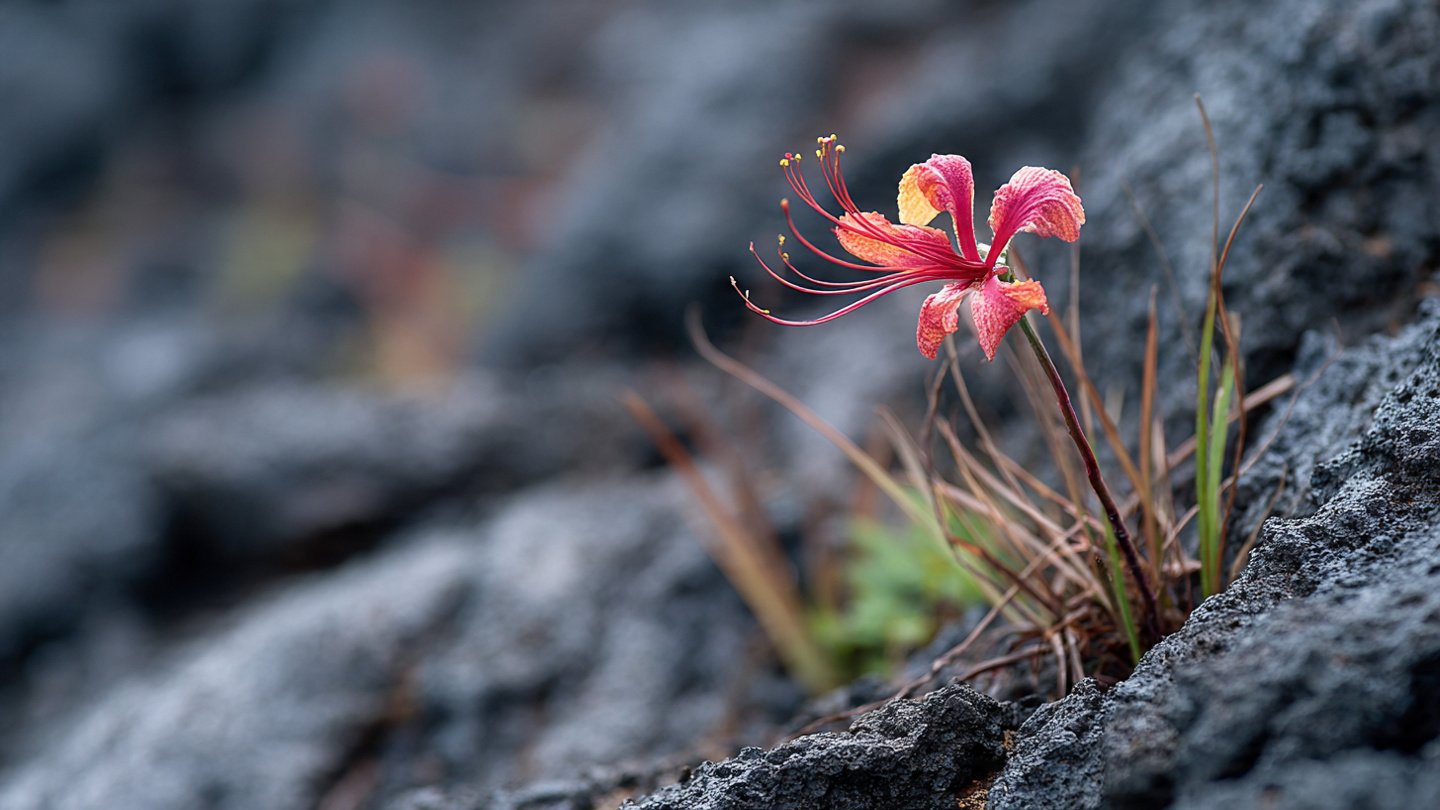

The resilience of nature often leaves us in awe, especially when we consider how various species have adapted to thrive in extreme conditions. One particularly fascinating example involves a flower that not only survived a volcanic eruption but has thrived in its aftermath. This phenomenon has intrigued scientists and enthusiasts alike, prompting questions about the mechanisms that allow life to flourish in seemingly inhospitable environments.
Understanding Volcanic Eruptions
Volcanic eruptions can be devastating events, often characterized by the explosion of magma from beneath the Earth’s crust, leading to the release of ash, gas, and lava. These eruptions reshape landscapes, obliterate existing ecosystems, and create conditions that seem unrecognizable post-eruption. However, life, especially flora, has shown an incredible ability to adapt and recover even in this hostile terrain.
The Resilience of Flora
Flora plays a vital role in stabilizing ecosystems, but its resilience during and after volcanic eruptions can be mysterious. Various species have developed unique traits that facilitate their survival under extreme conditions. Let’s explore how some flowers can thrive in post-volcanic environments.
1. The Role of Pioneer Species
In ecological terms, pioneer species are the first organisms to colonize disturbed areas. After a volcanic eruption, these species are essential as they initiate the process of ecological succession. Flowers such as fireweed (Chamerion angustifolium) and certain types of daisies can germinate quickly in the nutrient-rich volcanic soil, taking advantage of the increased light exposure due to the loss of tree cover.
2. Nutrient-Rich Ash
After a volcanic eruption, the ash produced can be incredibly fertile. Rich in minerals like potassium, phosphorus, and magnesium, this volcanic soil provides an advantageous growing medium for plants. While initially inhospitable, once the ash settles, it becomes a nutrient-dense substrate where flowers can establish and thrive. The flowers utilize these nutrients effectively, leading to vigorous growth.
3. Adaptations to Harsh Conditions
Many flowers that thrive in post-volcanic landscapes have developed several adaptations to withstand harsh conditions:
- Deep Roots: Flowers with deep root systems can reach moisture and nutrients buried beneath ash layers, enabling them to survive prolonged dry spells.
- Heat Tolerance: Certain species have evolved to withstand higher temperatures, which are common in the aftermath of volcanic activity.
- Rapid Growth Cycles: Some flowers complete their life cycles quickly, allowing them to set seed and reproduce before more competitive species establish themselves.
Case Study: The Resurrection Plant
One remarkable example of a flower that has thrived after volcanic activity is the resurrection plant (Selaginella lepidophylla). Found in arid regions, this plant can withstand extreme desiccation, allowing it to enter a dormant state during unfavorable conditions. When moisture returns—such as from rainfall after a volcanic eruption—this plant unfurls its leaves and begins photosynthesis almost immediately, showcasing a perfect example of resilience.
1. Photosynthesis and Energy Storage
The resurrection plant has developed specialized cells that store water and enables it to photosynthesize effectively once conditions improve. This capability allows it to thrive in nutrient-rich volcanic soils that promote growth and reproduction after eruptions.
2. Impact on Biodiversity
The growth of plants like the resurrection flower plays a pivotal role in enhancing biodiversity. They provide shelter and food for various organisms, contributing to a balanced ecosystem that forms after a volcanic event.
Ecological Succession Post-Eruption
The gradual process of ecological succession in post-volcanic landscapes is fascinating. Initially dominated by pioneering species, these environments eventually see the introduction of larger plants, trees, and various flora that create a diverse ecosystem. This highlights the remarkable ability of nature to rebuild itself.
1. The Stages of Succession
Succession can be divided into several stages after a volcanic eruption:
- Pioneer Stage: As discussed, pioneer species are the first to arrive.
- Intermediate Stage: Over time, as soil improves, larger plants begin to establish themselves.
- Climax Community: Eventually, a mature ecosystem emerges, characterized by a diverse mix of flora and fauna.
2. Importance of Resilient Flora
Resilient plants are vital for stabilizing the soil, preventing erosion, and fostering a healthy ecosystem. Their ability to colonize new terrains supports biodiversity and aids in restoring the ecological balance after volcanic disruption.
Conclusion
The ability of certain flowers and plants to thrive after surviving a volcanic eruption serves as a testament to the resilience of nature. The interplay between volcanic ash, nutrient cycling, and the aggressive colonization strategies of pioneer species showcase the dynamic nature of ecosystems. The journey from destruction to rejuvenation illustrates not just survival but the profound capability for rebirth in the natural world. Through understanding these processes, we gain a greater appreciation for the complex relationships that sustain life, even in the most challenging environments.
FAQs
- 1. What are pioneer species?
- Pioneer species are the first organisms to colonize disturbed areas, playing a crucial role in initiating ecological succession post-disturbance.
- 2. How does volcanic ash benefit plants?
- Volcanic ash is rich in minerals and nutrients that enhance soil fertility, providing an advantageous growing medium for plants in the area.
- 3. What is ecological succession?
- Ecological succession is the process of change in the species structure of an ecological community over time, often following a disturbance like a volcanic eruption.
- 4. Can all plants survive volcanic eruptions?
- No, not all plants can survive such extreme conditions. Only those with specific adaptations to withstand harsh environments and poor soil conditions are likely to thrive.
- 5. How does the resurrection plant survive drought?
- The resurrection plant can enter a dormant state during drought, conserving water and rehydrating quickly when moisture returns, enabling it to resume growth rapidly.