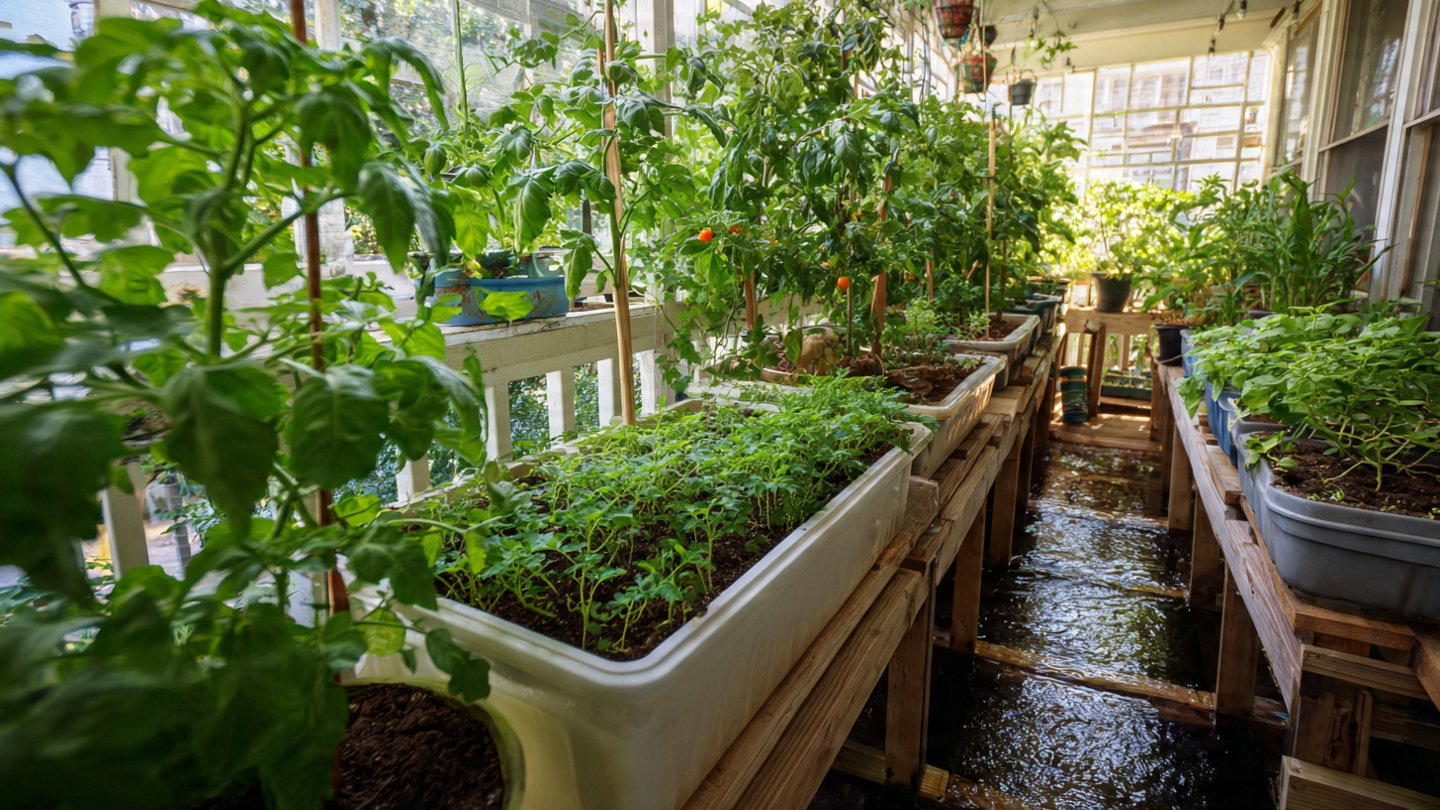

In the realm of urban gardening, balcony herb gardens have gained immense popularity, allowing city dwellers to cultivate their own fresh herbs in limited spaces. While many aspects contribute to the success of these miniature gardens—from selecting the right plants to ensuring adequate sunlight—one essential factor often overlooked is water management. Collecting rainwater is a sustainable practice that can significantly enhance the health of your balcony herb garden. This article explores how rainwater collection can transform your urban gardening experience, provide benefits for both the plants and the environment, and offer practical tips for implementation.
The Importance of Water Management in Urban Gardening
Water is vital for any plant’s survival but is especially crucial in the case of herbs, which may be more sensitive to moisture levels than larger garden plants. In urban environments, traditional watering sources, such as tap water, can have downsides:
-
Chlorine Content: Municipal water typically contains chlorine and other chemicals, which can disrupt the delicate balance of nutrients in a plant’s soil.
-
Cost: Relying on tap water for irrigation can lead to increased utility expenses, especially during dry spells when watering needs increase.
-
Environmental Impact: Extracting water from municipal sources for gardening contributes indirectly to environmental degradation through energy expenditure and resource depletion.
Collecting rainwater addresses these issues, providing a sustainable, cost-effective alternative that fosters a healthier growing environment for your herbs.
Benefits of Rainwater for Your Herb Garden
1. Superior Quality
Rainwater is naturally soft and free from chemicals, such as chlorine and fluoride, often found in tap water. It contains essential nutrients and beneficial microorganisms that enhance soil fertility and promote better plant growth. This naturally nourishing quality makes rainwater ideal for watering your herbs, resulting in fresher, more flavorful leaves.
2. Cost-Effectiveness
Using collected rainwater can significantly reduce your water bill. For those with limited budgets or who are environmentally conscious, this can be a substantial benefit. Simple systems can be set up to collect rainwater without extensive investments, especially for balcony gardeners who have limited space.
3. Sustainable and Eco-Friendly
Rainwater collection is an excellent way to promote sustainability. By utilizing what falls naturally from the sky, you reduce the demand on local water supplies. Additionally, capturing rainwater lessens stormwater runoff, which can lead to erosion and pollution in urban settings.
4. Improved Growth Rates
Plants watered with rainwater often exhibit improved growth rates and yield. The absence of chemical additives translates to better nutrient uptake and healthier plant systems. For balcony herb gardens, this means you can enjoy vigorous growth and more bountiful harvests in a shorter time span.
5. Reduction of Pests and Diseases
Using rainwater diminishes the likelihood of introducing chemicals that could harm beneficial insects or the organisms in your soil. Fewer chemicals mean less risk of pests and diseases, creating a healthier ecosystem in your balcony garden.
How to Collect Rainwater
Setting up a rainwater collection system can be simpler than one might assume. Here’s a step-by-step guide tailored for balcony gardeners.
Step 1: Assess Your Space
Your first task is to evaluate how much rainwater you can realistically collect based on your balcony’s design. Factors to consider include:
- How much rainfall your region receives.
- The size and type of planting containers.
- The layout of your balcony, including where water naturally flows and accumulates.
Step 2: Choose the Right Containers
Several container options are available for collecting rainwater, including:
-
Rain Barrels: These are typically larger containers that can accumulate significant amounts of water. Choose ones with a spout for easy access and a lid to keep debris out.
-
Buckets and Basins: For smaller spaces, durable buckets or basins strategically placed to catch drips from balcony railings or windows can work well.
-
DIY Systems: For those with some handy skills, constructing a custom system using materials like PVC pipes and funnels can lead to efficient collection tailored to your needs.
Step 3: Position Your Collection System
Placing your collection containers at the right angle will maximize water capture. For instance, place barrels or buckets beneath roof overhangs or drainpipes to collect runoff. Ensure that containers are stable and secure, especially in windy conditions.
Step 4: Filter and Store
While rainwater is generally clean, filtering it before use can help remove debris. A simple mesh screen or cloth can prevent leaves, twigs, and other larger particles from getting into your collection. If you plan to store the rainwater for extended periods, ensure the containers are airtight to curtail algal growth and mosquito breeding.
Step 5: Water Your Herbs
When it’s time to water your herb garden, use the rainwater you’ve collected. It can be applied directly to the soil, or you can use a watering can for more controlled application. This method helps avoid water pooling and promotes more efficient moisture absorption.
Maximizing the Benefits of Rainwater in Your Herb Garden
To make the most of your rainwater collection system and see a transformation in your balcony herb garden, consider the following tips:
1. Integrate Companion Planting
Various herbs thrive together, providing mutual benefits such as pest control and nutrient sharing. By pairing herbs such as basil with tomatoes or mint with parsley, you can make your balcony garden more productive. Using rainwater enriches the soil of these companion plants, allowing for better overall growth.
2. Optimize Lighting Conditions
Herbs such as basil, rosemary, and thyme require plenty of sunlight. Ensure your balcony is adequately lit, or consider using grow lights during the shorter days of summer or winter. The combination of optimal light and the quality water from your rain collection system will significantly bolster growth.
3. Monitor Soil Moisture Levels
Invest in a moisture meter to determine soil moisture levels accurately. Balancing the natural rainfall with the rainwater you collect will support consistent growth. Too much moisture can lead to root rot, while too little can hinder growth.
4. Regular Maintenance
The health of your balcony garden greatly depends on regular maintenance tasks. Routinely check your rainwater collection system for blockages, clean containers, and replace any damaged components. Likewise, prune your herbs and remove any dead or yellowing leaves to encourage new growth.
5. Experiment with Different Herbs
Every balcony presents different growing conditions. Don’t hesitate to experiment with diverse herbs that may do well in your particular environment. You may discover that some herbs thrive better with rainwater than others, leading to exciting culinary adventures.
Conclusion
Collecting and utilizing rainwater in your balcony herb garden is more than just a practical approach; it’s an environmentally conscious practice that fosters sustainability, enhances plant health, and offers a unique gardening experience. By transitioning from conventional water sources to a rainwater collection system, you’re not only contributing to a greener city but also creating a flourishing herb garden that brings fresh flavors to your kitchen.
Embrace the innovation of urban gardening, and let the elements of nature work in your favor. As you watch your balcony herbs thrive with the benefits of rainwater, you’ll find that this practice can be a fulfilling aspect of your life as a gardener, one that reconnects you with nature while providing a bounty of flavors to enhance your culinary pursuits.