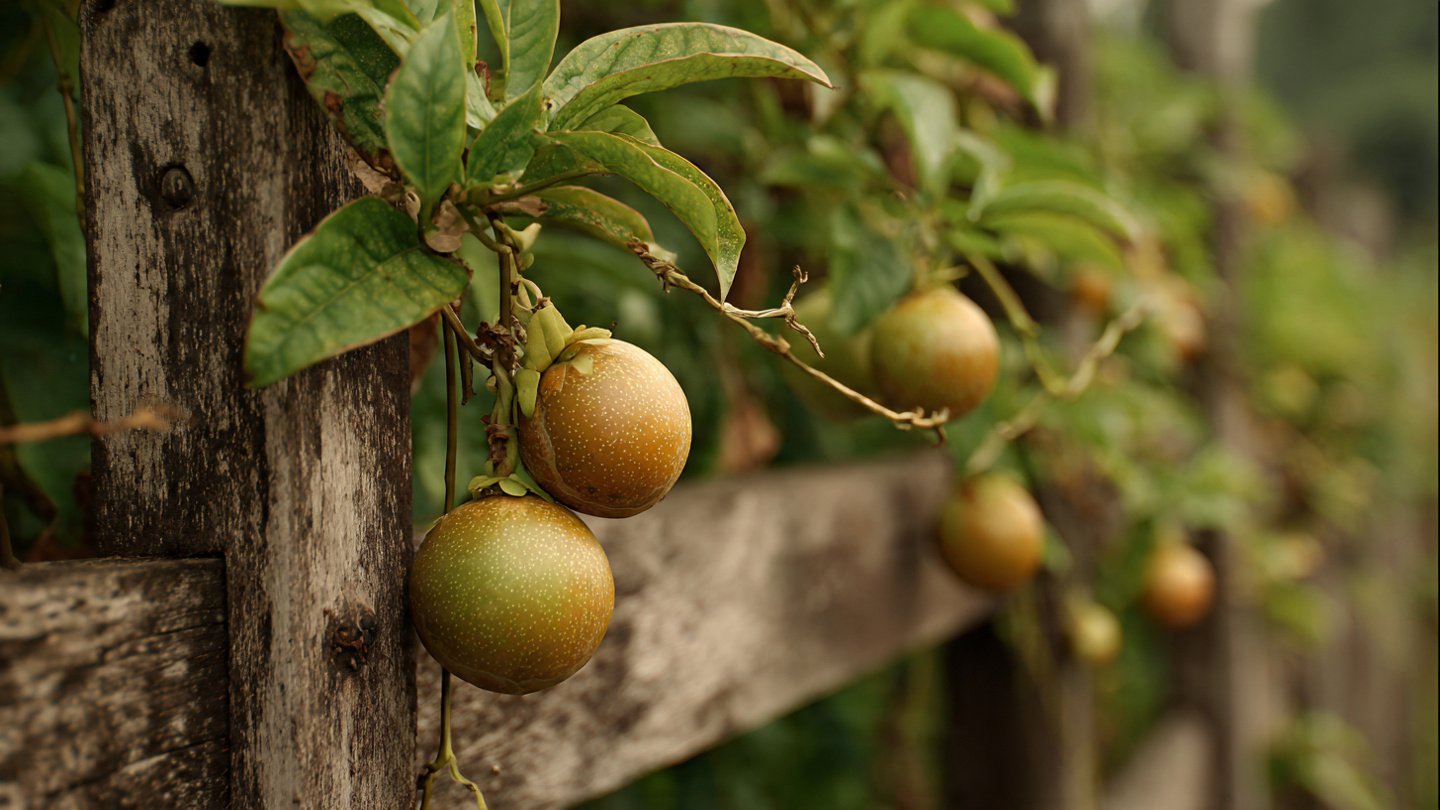

Pry open a ripe passion fruit, and you’ll find a deliciously tangy pulp that’s a delight for the taste buds. Growing this tropical beauty isn’t just rewarding because of its sweet fruit; it’s also visually stunning with its vibrant flowers and lush foliage. If you have a simple fence line in your garden, it can serve as an ideal vertical structure for cultivating exotic passion fruit. In this guide, we’ll explore how to successfully grow this wonderful vine and ensure it thrives along your fence line.
Understanding the Basics of Passion Fruit
Passion fruit (Passiflora edulis) is a tropical vine native to South America. Renowned for its aromatic fruits, the plant can thrive in warm climates, requiring well-drained soil and full sunlight. There are two main varieties of passion fruit: yellow and purple. Both bring a unique flavor and aesthetic appeal to the garden.
Choosing the Right Location
Your fence line can be transformed into a stunning vertical garden, but first, you need to assess the growing conditions:
- Sunlight: Passion fruit vines need at least 6-8 hours of direct sunlight daily. Choose a location that gets ample sunlight throughout the day.
- Soil Type: Well-draining, loamy soil is ideal. If your soil is clay-heavy, consider amending it with organic matter to improve drainage.
- Wind Protection: While passion fruit can tolerate some wind, it’s advisable to plant in an area that offers some shelter from strong gusts, especially when the plant is young.
Preparing the Fence Line
Your fence needs to be sturdy enough to support the growth of passion fruit vines. Here’s what to consider:
- Type of Fence: A wooden, chain-link, or wire fence can all work. Ensure it is at least 5-6 feet tall to accommodate the upward growth of the vine.
- Spacing: Space your passion fruit plants about 3-4 feet apart to ensure proper air circulation and access to sunlight.
- Training the Vines: Use soft ties to train young vines along the fence line. This can be done by gently tying the vines to the fence or providing additional support with trellises.
Planting Passion Fruit
Now that your fence line is prepared, it’s time to plant:
- When to Plant: The best time to plant passion fruit is in spring after all chance of frost has passed.
- Pit Preparation: Dig a hole that’s approximately 12 inches deep and wide, then mix in organic compost or rotten manure to enrich the soil.
- Planting: Place the seedling in the hole, ensuring the roots are spread out evenly, and cover with soil. Water thoroughly.
Watering and Nutrition
Proper watering and nutrition are critical for the vigorous growth of passion fruit:
- Watering: Water the plants regularly, especially during dry spells. The soil should remain moist but not soggy.
- Fertilization: Use a balanced fertilizer every 6-8 weeks during the growing season. Organic options like fish emulsion or compost tea can also benefit the plant.
Managing Pests and Diseases
While generally resilient, passion fruit plants can be susceptible to certain pests and diseases:
- Pests: Watch for aphids, spider mites, and whiteflies. Use insecticidal soap or neem oil as a natural treatment.
- Diseases: Fungal infections can occur in overly wet conditions. Ensure good air circulation and avoid water on the leaves. Remove any diseased foliage promptly.
Harvesting Passion Fruit
After months of care, the moment will arrive to enjoy your homegrown passion fruit:
- Timing: Fruits typically take about 3-4 months to mature after flowering. Wait until the fruit turns slightly wrinkled and is easy to separate from the vine.
- How to Harvest: Gently twist the fruit off the vine. Avoid yanking, as this can damage the plant.
Conclusion
Growing exotic passion fruit along a simple fence line can be a rewarding experience that enhances both your garden’s beauty and your culinary delights. By ensuring the right growing conditions, providing proper care, and being vigilant against pests, you can enjoy a bountiful harvest year after year. With its vibrant flowers, luscious fruits, and charming presence, the passion fruit vine is a wonderful addition to any garden. Embrace the journey of gardening, and soon you’ll be sharing the fruits of your labor with friends and family.
FAQs
1. Can passion fruit grow in pots?
Yes, passion fruit can be grown in pots, but ensure they are large enough (at least 5 gallons) to accommodate the root system. Provide a trellis for support.
2. How long does it take for passion fruit seeds to germinate?
Passion fruit seeds typically take 2-3 weeks to germinate under ideal conditions, such as warmth and moisture.
3. Is passion fruit frost-tolerant?
No, passion fruit is sensitive to frost. In cooler climates, consider growing them in containers so they can be moved indoors during cold snaps.
4. Do I need two plants for pollination?
Passion fruit vines are self-pollinating, but having multiple plants can result in a higher yield due to increased cross-pollination.
5. Can I eat unripe passion fruit?
It is not advisable to eat unripe passion fruit, as they can be bitter. Wait for the fruit to fully ripen before consuming.