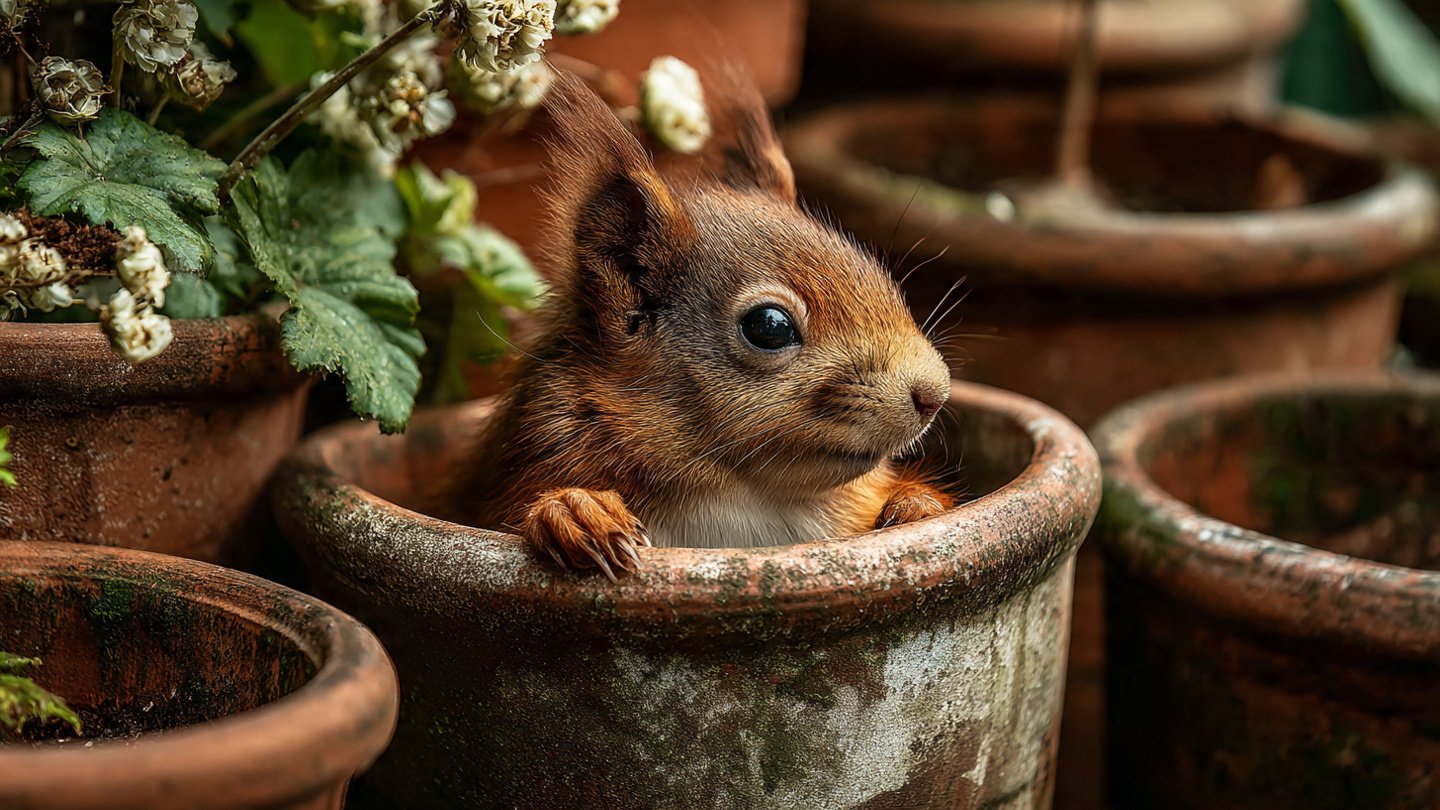

Squirrels are charming creatures, but they can also be a nuisance, especially when they start digging in your flower pots. Their propensity for burrowing and foraging can damage your plants and disrupt your garden’s aesthetics. However, with a few practical strategies, you can protect your flower pots and help keep these critters at bay. Here’s how you can stop squirrels from digging in your flower pots.
Understand the Behavior of Squirrels
Before implementing any control measures, it’s essential to understand why squirrels are digging in your flower pots in the first place. Squirrels are naturally curious and are always on the lookout for food. They may be digging in your pots due to the smell of nutrients in the soil, or they could be foraging for seeds and other edible materials.
Strategies to Deter Squirrels
1. Use Physical Barriers
One of the most effective methods to prevent squirrels from digging in your flower pots is to create physical barriers.
- Wire Mesh or Chicken Wire: Cover the soil surface with wire mesh or chicken wire. This will prevent squirrels from digging while still allowing air and water to penetrate the soil.
- Plant Covers: Use plant covers or floating row covers to protect your pots. Make sure they are securely anchored to prevent squirrels from getting underneath.
- Garden Fencing: For larger areas, consider erecting a fence around your garden. Ensure that the fence is high enough, as squirrels can easily jump.
2. Use Repellents
Squirrels are known to dislike certain smells. Employing natural repellents can make your flower pots less appealing to them.
- Spices: Sprinkle cayenne pepper, chili powder, or garlic powder on the soil surface. These spicy substances can deter squirrels due to their strong scent.
- Commercial Repellents: There are several commercial squirrel repellents available that you can spray around your pots. Follow the instructions carefully for safe and effective use.
- Essential Oils: Certain essential oils, such as peppermint or citrus, can also act as effective repellents. Mix them with water and spray around your pots.
3. Choose the Right Plants
Some plants are less attractive to squirrels than others. By choosing plants that squirrels typically avoid, you can reduce the likelihood of them digging in your flower pots.
- Aromatic Plants: Strong-smelling plants like lavender, rosemary, or mint can deter squirrels.
- Cactus and Succulents: These plants not only are less appealing but can also be harmful to squirrels if they attempt to dig.
- Plants with Thorns: Consider planting some varieties that have thorns or prickles, as these can act as natural deterrents.
4. Modify Your Environment
Creating an environment less conducive to squirrel activity can be beneficial in keeping them away from your flower pots.
- Remove Food Sources: Ensure that bird feeders, pet food, or any other food sources are kept out of reach. If squirrels have abundant food elsewhere, they are less likely to dig in your pots.
- Maintain Cleanliness: Regularly clean your garden area to eliminate any debris that might attract squirrels.
5. Use Motion-Activated Devices
Motion-activated devices can be very effective in deterring squirrels. These devices can startle the animals without causing them harm.
- Motion-Activated Sprinklers: These sprinklers detect movement and spray water, which can scare away squirrels.
- Sound Devices: Ultrasonic repellent devices emit sounds that are unpleasant for squirrels but inaudible to humans.
6. Consider Trapping (as a Last Resort)
If all else fails and squirrels continue to be a problem, trapping may be your last resort. It’s important to check local laws regarding trapping wildlife.
- Humane Traps: Use humane traps to capture squirrels without harming them. Once caught, contact local wildlife agencies for guidance on relocation.
Conclusion
While squirrels can be a delightful part of nature, their digging can pose a significant threat to your flower pots and garden. By employing a combination of physical barriers, repellents, and environmental modifications, you can effectively deter these agile little creatures. Understanding squirrel behavior, implementing proactive measures, and staying consistent in your efforts will yield the best results. With patience and persistence, you can protect your beloved plants and enjoy a squirrel-free garden.
FAQs
Q: Are squirrels harmful to my plants?
A: Yes, squirrels can be harmful as they dig up plants, disturb roots, and may even eat seeds and young plants.
Q: Are the repellents safe for pets and children?
A: Most natural repellents like spices and essential oils are safe; however, always check product labels to ensure they are pet- and child-friendly.
Q: How do I know which plants squirrels avoid?
A: Generally, aromatic herbs, cacti, and thorny plants are known to be less appealing to squirrels. Research and local gardening resources can provide specific recommendations.
Q: Can squirrels be relocated?
A: Yes, but it is essential to consult local wildlife regulations and agencies regarding humane trapping and relocation procedures.
Q: Will motion-activated devices scare away other wildlife?
A: Yes, while primarily aimed at squirrels, these devices can also deter other animals that may be causing trouble in your garden.