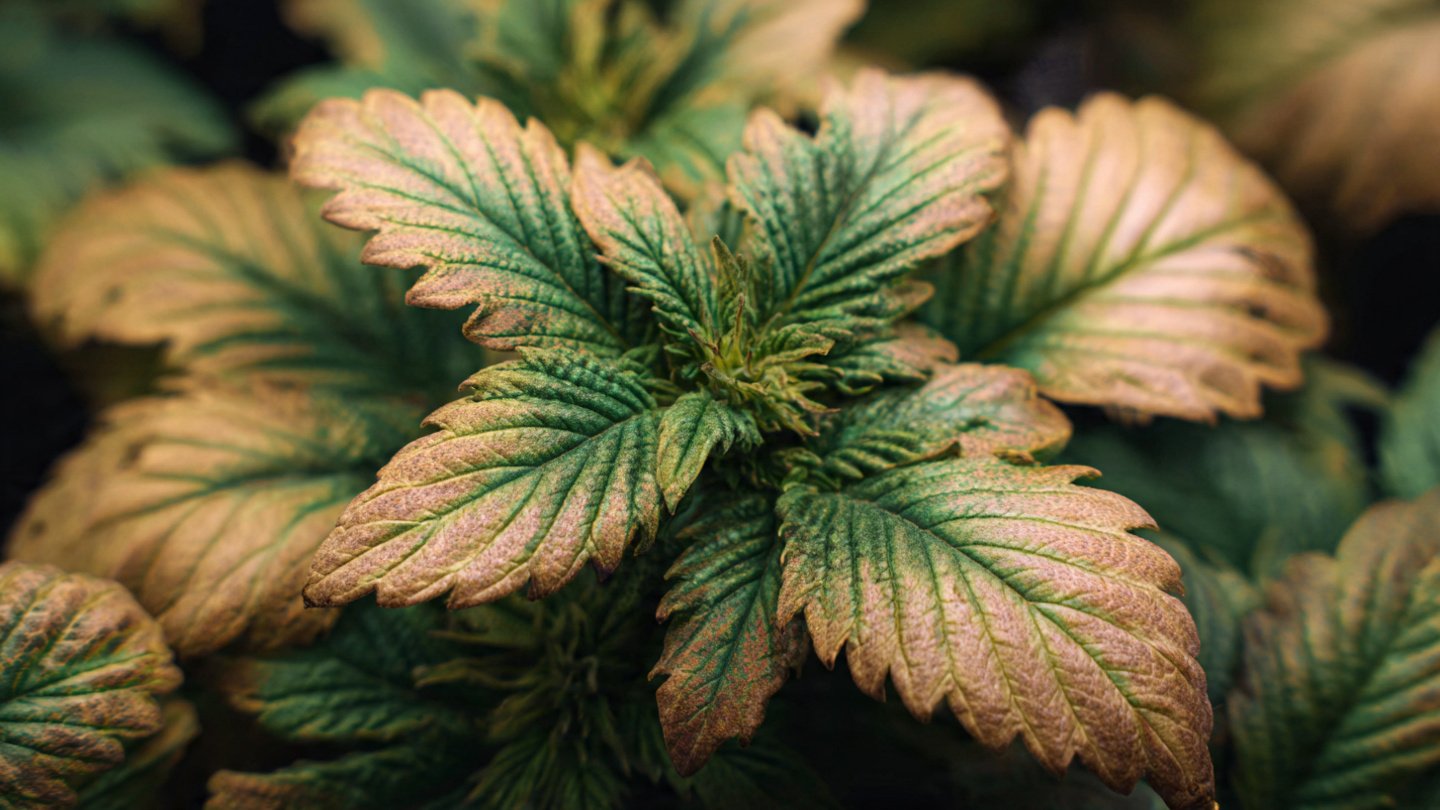

Understanding the health of your plants is crucial for successful gardening, agriculture, or indoor plant care. One of the most visible indicators of plant health is the condition of their leaves. Nutrient deficiencies can manifest in various ways, and recognizing these early signs is vital to ensuring your plants thrive. This article will guide you through effectively spotting nutrient deficiencies in your plants’ leaves.
1. Importance of Nutrients for Plants
Plants require a variety of nutrients for their growth and development. These nutrients can be classified into two categories: macronutrients and micronutrients. Macronutrients include nitrogen, phosphorus, and potassium, while micronutrients encompass iron, manganese, zinc, and others. Each of these nutrients plays a specific role in a plant’s overall health.
2. Common Signs of Nutrient Deficiencies
Identifying nutrient deficiencies often begins with observing changes in leaf color, texture, and overall appearance. Below are some common signs associated with specific nutrient deficiencies:
2.1 Nitrogen Deficiency
- Symptoms: Yellowing of older leaves, stunted growth, and poor fruit/flower development.
- Reason: Nitrogen is essential for chlorophyll production and overall plant growth.
2.2 Phosphorus Deficiency
- Symptoms: Dark blue-green leaves with purpling, especially on older leaves; stunted root development.
- Reason: Phosphorus is vital for energy transfer and photosynthesis.
2.3 Potassium Deficiency
- Symptoms: Brown scorching at leaf edges and tips, with general decline in vigor.
- Reason: Potassium helps regulate stomatal opening and maintains turgor pressure.
2.4 Iron Deficiency
- Symptoms: Yellowing between the veins of younger leaves, with veins remaining green.
- Reason: Iron is essential for chlorophyll formation and respiration.
2.5 Magnesium Deficiency
- Symptoms: Interveinal chlorosis (yellowing between the veins) on older leaves, and curling at the leaf edges.
- Reason: Magnesium is crucial for photosynthesis and enzymatic reactions.
3. Assessing Leaf Health: A Step-by-Step Guide
To effectively spot nutrient deficiencies, follow these steps:
3.1 Inspect Your Leaves Regularly
Make a habit of inspecting your plants frequently. Look for changes in color, texture, or size. Early detection is key!
3.2 Analyze Leaf Color Changes
Pay special attention to the color of both older and younger leaves; different nutrients often affect different ages of leaves.
3.3 Check for Leaf Texture and Shape
Leaves should feel firm and healthy. Look for signs of curling, blistering, or necrosis.
3.4 Monitor Growth Patterns
Stunted growth or abnormal flowering can indicate underlying nutrient issues.
3.5 Consider Environmental Factors
Temperature, humidity, and watering practices can all influence nutrient uptake. Ensure your plants are in appropriate conditions.
4. Conducting Soil and Tissue Tests
For a more scientific approach to diagnosing nutrient deficiencies:
4.1 Soil Testing
Conduct a soil test to identify nutrient levels. This will provide a clear overview of what nutrients may be lacking.
4.2 Tissue Testing
Analyze leaf samples to directly assess nutrient content within the plant tissue. This can help identify specific deficiencies.
5. Remediation Techniques
Upon identifying a nutrient deficiency, taking corrective action is essential. Here are some strategies:
5.1 Fertilization
Select an appropriate fertilizer that addresses the specific nutrient deficiency. Consider slow-release formulations for continuous nutrient supply.
5.2 Adjusting Soil pH
Ensure that soil pH levels are conducive to nutrient availability. Some nutrients become unavailable in overly acidic or alkaline soils.
5.3 Improving Watering Practices
Watering properly can enhance nutrient uptake. Avoid over- or under-watering, and ensure good drainage.
5.4 Adding Organic Matter
Incorporating organic matter, such as compost, can improve soil structure and nutrient content.
Conclusion
Spotting nutrient deficiencies in your plants’ leaves is a crucial task for anyone looking to maintain healthy vegetation. By understanding the common signs of deficiencies, regularly inspecting your plants, and employing soil and tissue testing, you can swiftly diagnose and rectify nutrient shortages. Remember, a healthy plant is often a well-nourished one; monitoring your plants regularly and making adjustments can lead to a flourishing garden or indoor plant collection.
FAQs
1. How often should I check my plants for nutrient deficiencies?
It’s a good practice to inspect your plants at least once a week during their growing season. Frequent checks can help catch issues early.
2. Can nutrient deficiencies affect flowering and fruiting?
Yes, many nutrient deficiencies can lead to reduced flowering and fruiting. Nutrients like phosphorus and potassium play vital roles in these processes.
3. Is it okay to use any fertilizer on all plants?
No, different plants have varying nutrient requirements. It’s essential to choose fertilizers that match the specific needs of your plants.
4. What if I suspect multiple nutrient deficiencies?
If you’re unsure, conducting a soil or tissue test can provide insight into multiple nutrient levels. Adjust your fertilization approach based on test results.
5. Can environmental stress cause similar symptoms to nutrient deficiencies?
Absolutely. Factors like drought, pests, or diseases can cause similar leaf symptoms, so it’s essential to assess your plants’ overall environment alongside their nutrient health.