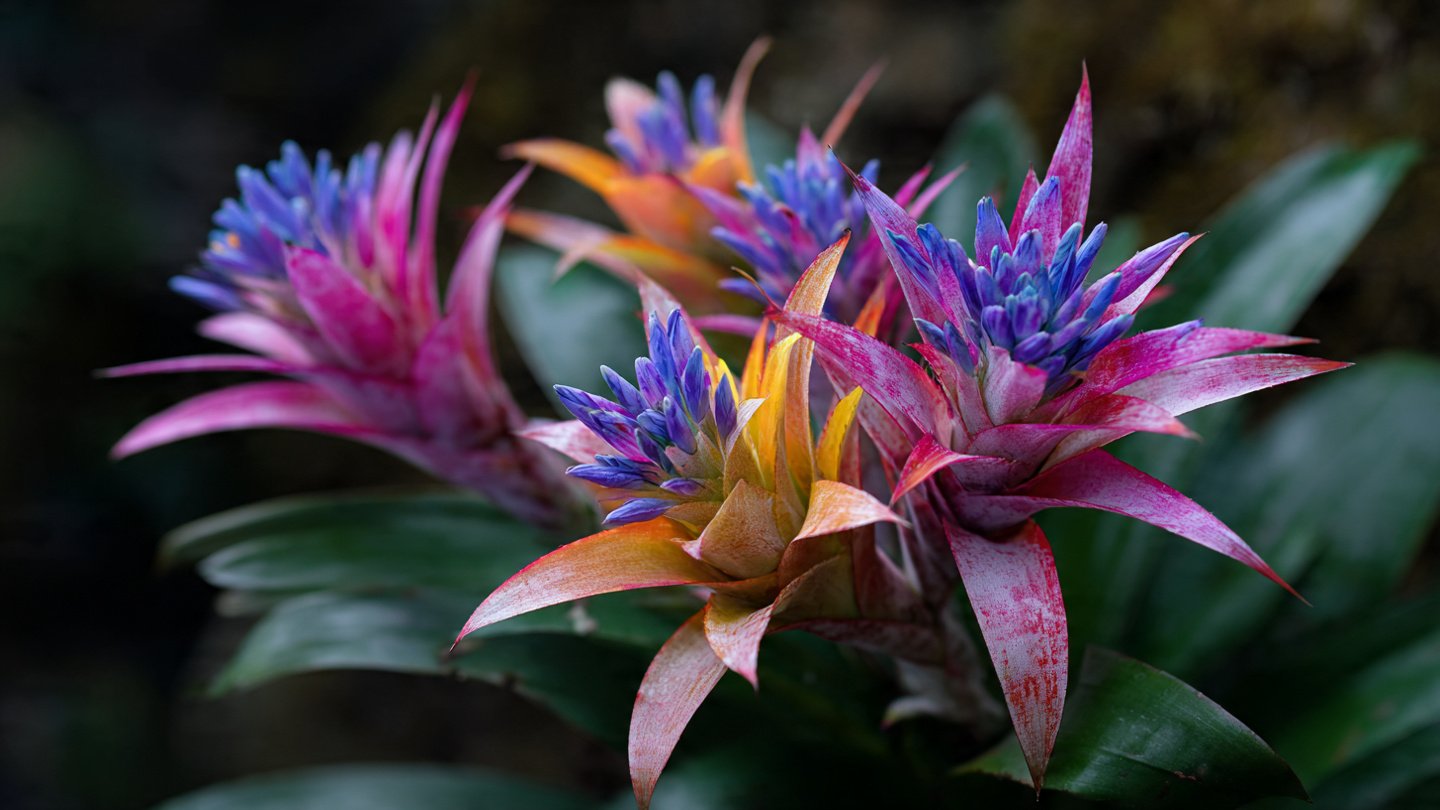

Pruning is an essential part of plant care that can greatly enhance the growth and appearance of your plants. By removing dead or overgrown branches, you encourage healthier growth, improve air circulation, and increase sunlight penetration. This article will delve into the various methods of pruning, when to prune, and the benefits of this vital gardening technique for fuller growth.
1. Understanding the Basics of Pruning
Before you start snipping away at your plants, it’s important to understand the purpose and benefits of pruning. Pruning serves multiple functions, including:
- Health Improvement: Removing dead, diseased, or damaged branches can prevent pests and diseases from spreading.
- Encouraging Growth: Pruning encourages new growth and can lead to a fuller, bushier plant.
- Shaping: Pruning helps to shape the plant, making it more visually appealing and maintaining its size.
- Flower and Fruit Production: Proper pruning can enhance flower and fruit yields in many plants.
2. When to Prune Your Plants
Timing is critical when it comes to pruning. While specific plants may have their ideal pruning times, here are a few general guidelines:
- Spring: Late winter to early spring is usually the best time for most plants, just before new growth begins.
- After Blooming: For flowering plants, prune them soon after they have bloomed to encourage robust growth for the next season.
- Fall: In some cases, light pruning in the fall can prepare plants for the winter, but heavy pruning is generally discouraged.
3. Tools You Will Need
Having the right tools is essential for effective pruning. Here’s a list of common tools:
- Pruning Shears: These are ideal for small branches and delicate stems.
- Loppers: Used for thicker branches that pruning shears cannot cut.
- Saws: For larger branches, a hand saw or a pruning saw will do the trick.
- Gloves: Always wear gloves to protect your hands from thorns and rough branches.
- Bypass Pruners: These are recommended for delicate work as they make clean cuts.
4. The Pruning Process
Now that you have the tools ready and know when to prune, let’s look at the actual pruning process:
Step 1: Assess the Plant
Take a moment to look at your plant before you begin. Identify which branches are dead, diseased, or simply don’t contribute to the plant’s overall health or shape.
Step 2: Make Clean Cuts
Always make clean cuts just above a node or leaf. This encourages new growth from that point. Avoid tearing or ripping branches as it can cause harm to the plant.
Step 3: Remove Excess Growth
Remove any crossing branches or those that are too dense. This will improve air circulation and sunlight penetration, both of which are crucial for healthy growth.
Step 4: Step Back
After every few cuts, step back and assess the plant’s shape. Be conscious of how much you’re removing to avoid over-pruning, which could stress the plant.
5. Tips for Specific Types of Plants
Different plants require different pruning techniques. Here are a few common types:
Trees
For trees, prune during dormancy and focus on removing any crossing branches. Thin out crowded branches to allow light to penetrate.
Shrubs
Shrubs should be pruned based on their bloom cycle. For summer bloomers, prune in late winter; for spring bloomers, prune after flowering.
Perennials
Cut back perennials close to the ground in the fall or spring, just before new growth appears.
6. Benefits of Pruning for Fuller Growth
Proper pruning not only encourages outward growth but also ensures that your plants are healthier overall. Here are some benefits:
- Increased Airflow: Reducing foliage allows for better airflow, minimizing disease susceptibility.
- Enhanced Light Exposure: More sunlight reaches the inner branches, promoting healthy growth.
- Controlled Size: Pruning helps keep plants within desired sizes and shapes, promoting a neat appearance.
- Boosted Flowering: Many flowering plants require careful pruning to produce a strong display in upcoming seasons.
Conclusion
Pruning your plants is a vital practice that can lead to fuller, healthier growth. By understanding the basics of pruning, the right timing, and appropriate techniques, you can significantly enhance your garden’s beauty and plant health. Proper care and regular maintenance through pruning will allow your plants to flourish and contribute to a vibrant, thriving garden.
FAQs
1. How often should I prune my plants?
The frequency of pruning depends on the type of plant. Most flowering shrubs should be pruned once a year, while trees may require less frequent pruning—usually every few years.
2. Can I prune my plants in the fall?
Light pruning can be done in the fall, but heavy pruning is generally discouraged as it may weaken the plant before winter. It’s better to save major pruning for late winter or early spring.
3. What happens if I prune too much?
Over-pruning can stress the plant and lead to weak growth or even death. Always prune with caution, ensuring not to remove more than one-third of the plant’s foliage at once.
4. Should I disinfect my pruning tools?
Yes, disinfecting your tools before pruning, especially between plants, is essential to prevent the spread of disease.