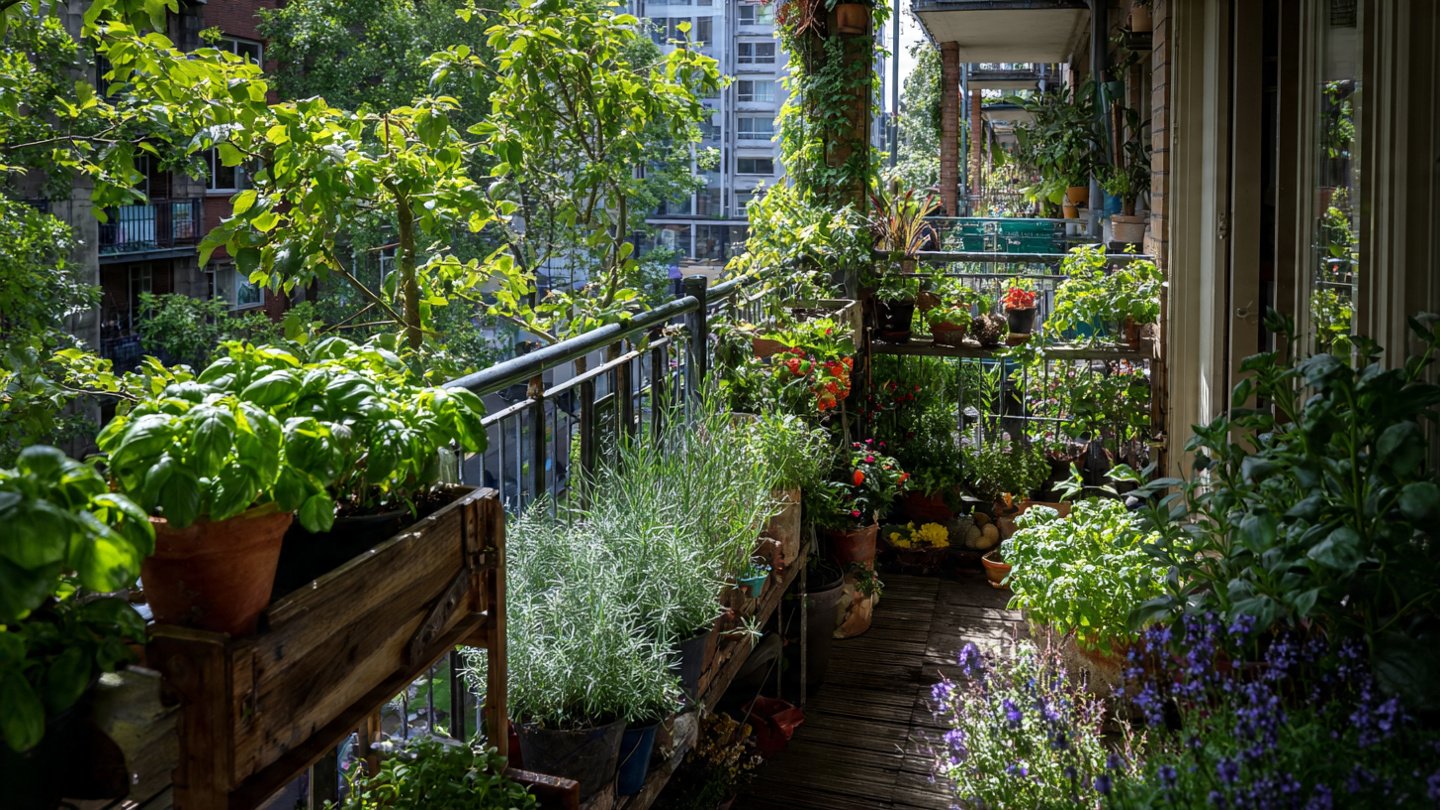

Gardening on a balcony can be a delightful experience, allowing you to cultivate plants, flowers, and herbs in a limited space. However, one of the biggest nuisances for balcony gardeners is pigeons. These birds can cause damage to your plants, create messes with droppings, and even harm your garden’s aesthetics. If you’re looking for natural ways to keep pigeons at bay, you’re in the right place. This comprehensive guide will cover strategies, natural deterrents, and even practical design changes to help you protect your balcony garden.
Understanding the Pigeon Problem
Pigeons are often attracted to urban areas because of the food, shelter, and safety they find in these settings. Balcony gardens, with their readily available seeds, fruits, and even insects, can look like an inviting buffet to pigeons. Additionally, their propensity to nest in sheltered areas can make your balcony a prime candidate for unwanted visitors.
To effectively deter them, it’s essential to understand their behaviors. Pigeons are naturally wary of predators and can become habituated to human activity. This means that a combination of methods may be required to keep them at bay, as over time, they might learn to ignore certain deterrents.
1. Use Natural Deterrents
1.1 Scents That Repel Pigeons
Pigeons have a keen sense of smell, and certain natural scents can deter them. Here are a few to consider:
-
Peppermint Oil: This oil is known to repel various birds. You can dilute peppermint oil with water and spray it around your balcony garden.
-
Cinnamon and Vinegar: A mixture of these two can create a smell that is pleasant to humans but off-putting to pigeons.
-
Predatory Animal Urine: While it may sound extreme, solvents like fox or coyote urine can be obtained from garden centers. Sprinkling a tiny amount in your balcony garden can signal to pigeons that there are potential predators nearby.
1.2 Spices and Herbs
You might already have some pigeon-repelling spices and herbs growing in your garden.
-
Garlic and Chili Powder: Sprinkling these around your plants can create a scent barrier that pigeons won’t cross. You can also grow garlic plants, as their scent is naturally repellent to many birds.
-
Lavender: Known for its pleasant fragrance, lavender can also deter pigeons. In addition to providing a lovely aroma, its presence can offer aesthetic value to your garden.
2. Visual Deterrents
2.1 Reflective Surfaces
Pigeons are naturally cautious of reflective surfaces. Here are some easy ways to utilize this behavior:
-
Foil Strips: Hang strips of aluminum foil around your balcony. The movement and light reflection will create an unsettling environment for pigeons.
-
Old CDs: Similar to foil, old CDs can be hung or strung up to reflect light and create a slightly chaotic visual to pigeons.
2.2 Predator Decoys
Setting up decoys of predatory birds can also be effective. Consider the following:
-
Owl Statues: Plastic or wooden owl figures can work as a visual deterrent. However, you should move them around periodically; otherwise, pigeons may get accustomed to them.
-
Hawk Kites: These can flutter in the wind, mimicking real birds of prey. They not only provide a reality check for pigeons but can add an interesting aesthetic to your balcony.
3. Physical Barriers
3.1 Netting
Bamboo and plastic netting can create a barrier that pigeons cannot penetrate. Ensure the netting is properly secured around your balcony plants, allowing sunlight and rain to nurture your plants without giving access to pigeons.
3.2 Plant Choices
Planting dense and thorny greenery can also act as a physical deterrent. Here are some plants to consider:
-
Holly or Barberry Bushes: Their spiky nature can create an uninviting environment for pigeons.
-
Cacti or Thorny Plants: These will naturally discourage pigeons if they venture too close.
4. Cleanliness and Maintenance
4.1 Regular Cleaning
Keeping your balcony clean is essential to deter pigeons. Ensure there’s no spilled food, fallen seeds from your plants, or decaying organic material. Regularly remove any potential food sources.
4.2 Compost Bin Maintenance
If you have a compost bin on your balcony, ensure it’s securely closed to minimize odors and food availability. Regularly turning your compost can also help cut down on smells that might attract pigeons.
5. Behavioral Modification
5.1 Noise Deterrents
Pigeons are sensitive to sound. You can utilize this behavior to your advantage:
-
Wind Chimes: They create a soothing sound that can deter pigeons without being overly disruptive to your balcony ambiance.
-
Ultrasonic Devices: These devices emit sounds that are unpleasant to birds but inaudible to humans.
5.2 Alter Timing
Try to make your balcony garden less predictable. For instance, if you usually water your plants or feed them at specific times, consider altering the schedule. This can prevent pigeons from getting comfortable knowing when food is available.
6. Companion Planting
Companion planting isn’t just for pest control; certain plants can deter pigeons as well. Consider planting:
-
Marigolds: Their strong scent may help mask the smells of your garden that attract pigeons.
-
Basil: This herb has a strong aroma that pigeons tend to avoid.
7. Artistic Solutions
7.1 Creative Decorations
Enhancing your balcony with colorful decorations can deter pigeons:
-
Wind Spinners: These not only add a decorative touch but also can create movement that is unsettling to pigeons.
-
Colorful Fabric or Streamers: Hanging brightly colored fabrics that flutter in the breeze can capture their attention and keep them off balance.
8. Final Thoughts
Deterring pigeons from your balcony garden requires a combination of methods. By understanding their behavior and employing various natural techniques, you can protect your plants while maintaining a harmonious gardening space.
To see the best results, it’s important to remain consistent with your chosen strategies and be patient. Pigeons may take some time to abandon a familiar spot, but with persistence, you can enjoy a thriving balcony garden free from unwanted feathered visitors.
In Conclusion
While pigeons can indeed be a pesky problem, employing natural, non-invasive methods to keep them away offers an effective solution. In addition to protecting your plants and ensuring your balcony remains a pleasant space, these strategies can deepen your appreciation for gardening and your green thumb skills. Use this guide as a practical starting point for a pigeon-free space that allows your garden to flourish. Happy gardening!