
Understanding the Amaryllis Plant
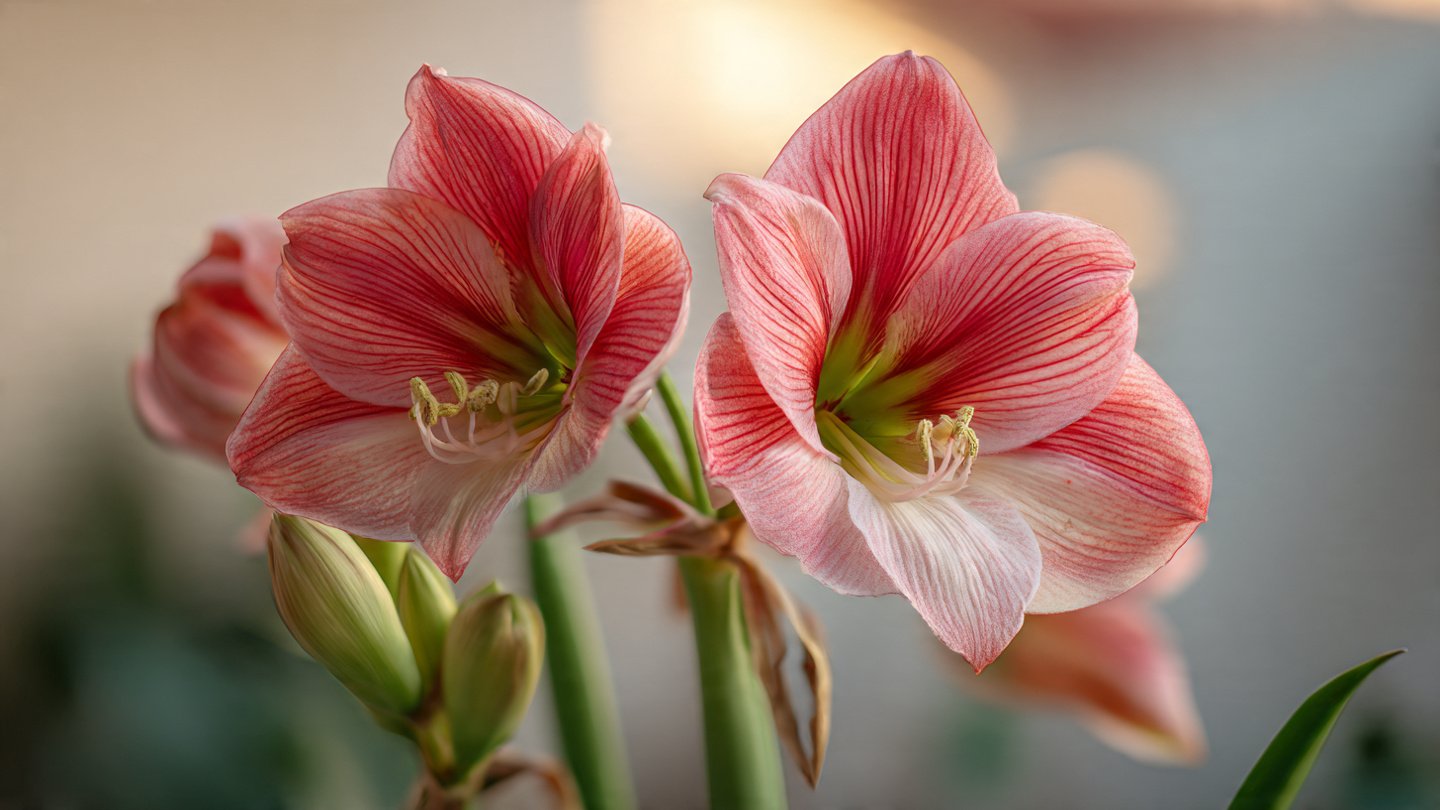
The Amaryllis, a remarkable flowering bulb, is adorned with striking blooms that can elevate the aesthetics of any space. This plant is native to tropical regions, particularly in South America, and is favored for its large, trumpet-shaped flowers. They come in various colors, including red, pink, white, and striped varieties.
Growing Amaryllis can be a rewarding experience, but ensuring consistent blooms year after year requires an understanding of its growth cycle and specific care practices. In this article, we’ll explore the best methods to ensure that your Amaryllis blooms annually, including a simple secret that makes all the difference.
The Lifecycle of Amaryllis
To properly care for your Amaryllis, it’s essential to recognize its lifecycle, which consists of four main phases: the growing phase, the resting phase, the blooming phase, and the dormancy phase.
1. Growing Phase
During this phase, which usually occurs in the spring and summer, the Amaryllis develops foliage and prepares to bloom. Proper sunlight, watering, and fertilization are crucial at this stage to encourage robust growth.
2. Resting Phase
The resting phase typically occurs in the fall and winter. During this time, the plant should be allowed to rest, which requires reducing watering and ceasing fertilization. This phase is crucial for the bulb to gather energy for the next blooming cycle.
3. Blooming Phase
The blooming phase is the most exciting part, with the plant producing magnificent flowers. This phase usually occurs in late winter or early spring, depending on when you’ve initiated the growth cycle.
4. Dormancy Phase
Once the blooms fade, the Amaryllis enters a dormancy phase. This is a natural part of its lifecycle, and proper care during this phase is vital for ensuring blooms in the following year.
The Simple Secret to Encouraging Blooms
The single most important secret to guaranteeing annual blooms from your Amaryllis is to provide proper care during the dormancy phase. Here’s a step-by-step breakdown of what to do:
1. Allow the Plant to Rest
After your Amaryllis has finished flowering, usually 6-8 weeks after blooming, it’s crucial to allow it to rest. Reduce watering gradually and stop fertilizing entirely. This mimics the natural conditions of the plant’s native environment, where it experiences a dry period.
2. Reduce Watering
Watering should be minimal during the dormancy phase. Let the soil dry out completely before adding a small amount of water. Overwatering can lead to bulb rot, preventing future blooms.
3. Provide a Cool, Dark Space
During dormancy, move your Amaryllis to a cool, dark area. A temperature between 50°F and 60°F (10°C to 15°C) is ideal. This will help to trick the plant into thinking it’s experiencing winter, encouraging it to go dormant.
4. Schedule a Rest Period
Most important, ensure that the Amaryllis has a 6-8 week dormancy period. Mark the calendar to remind you when to start the next phase of growth to trigger blooming in the coming spring.
Potting and Soil Considerations
The right potting and soil choice can also enhance your chances of annual blooms. Here are some tips:
- Choose the Right Pot: Select a pot that is just slightly larger than the bulb itself. Overly large pots can lead to excess soil moisture, which can be detrimental during dormancy.
- Utilize Well-Draining Soil: Use a potting mix that is well-draining. A mix designed for bulbs or cactus soils will work well, preventing water retention.
- Re-pot as Necessary: Amaryllis bulbs typically only require re-potting every 2-3 years. This can be done gently after they’ve bloomed, just before the dormancy phase.
Fertilization Tips
Fertilization plays a vital role in enhancing blooms. Here are suggestions:
- Use a Balanced Fertilizer: During the growing phase, apply a balanced fertilizer every 2-4 weeks to promote healthy foliage and flower bud development.
- Stop Fertilizing Midway: Cease fertilization about 4-6 weeks before you want the plant to bloom so that it can focus energy on the flowering process.
- Organic Options: Consider using organic fertilizers like compost or fish emulsion, which can offer slower-release nutrients without the risk of over-fertilization.
Watering Techniques
Watering your Amaryllis correctly can make a significant difference. Here’s how to do it effectively:
- Check Soil Moisture: Always check the soil moisture before watering. If the soil is still damp, wait a few days before watering again.
- Water Sparingly in Dormancy: While the plant is dormant, water only enough to prevent the bulb from drying out completely.
Conclusion
Keeping your Amaryllis blooming every year is achievable with the right care and understanding of its lifecycle. The key is to pay attention to the dormancy phase, providing adequate resting conditions that mimic its natural environment. Remember to pot it correctly, use the right soil, and fertilize responsibly. Remember the simple secret: allow your Amaryllis to rest to ensure vibrant blooms in the upcoming seasons. With these steps, your Amaryllis will not only thrive but will also reward you with stunning flowers year after year.
FAQs
1. How long can I expect my Amaryllis to bloom?
Typically, Amaryllis can bloom once every year, given proper care and a sufficient dormancy period. After blooming, it may take a little time before it flowers again.
2. What should I do if my Amaryllis doesn’t bloom?
If your Amaryllis doesn’t bloom, check its care. Ensure it receives adequate sunlight, proper watering, and most importantly, a sustaining dormancy period.
3. Can I keep my Amaryllis indoors year-round?
Yes, Amaryllis can thrive indoors, but proper care regarding light, temperature, and watering must be maintained for it to bloom effectively.
4. How often should I repot my Amaryllis?
Repot your Amaryllis every 2-3 years or when the bulb has outgrown its pot. Ensure to do this after the blooming phase and before the dormancy starts.
5. What are the signs that my Amaryllis is going dormant?
Once the flowers fade and the leaves begin to yellow and die back, it’s a sign that your Amaryllis is entering the dormancy phase. Reduce watering and let it rest.