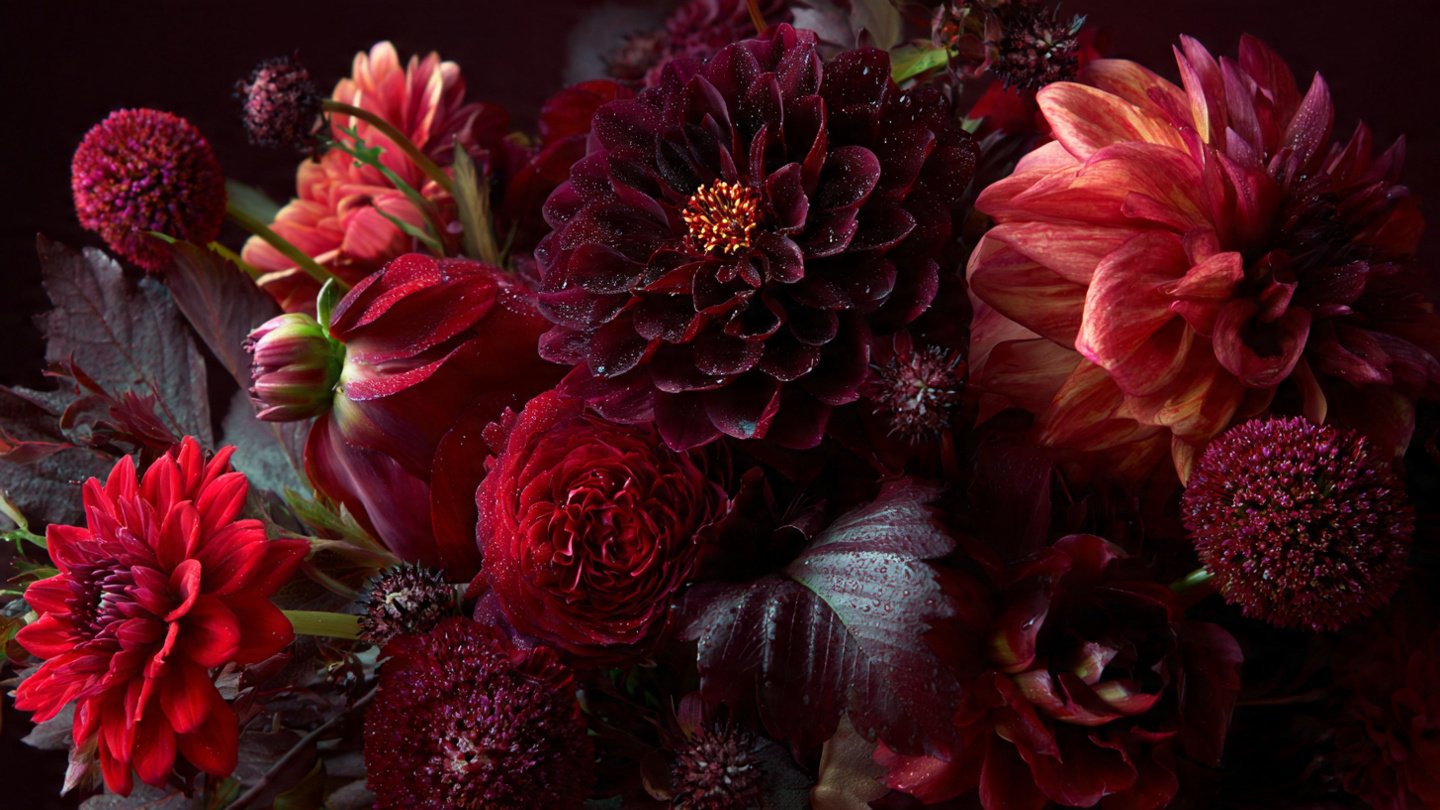

Transforming your garden into a visual masterpiece is a rewarding endeavor, and a remarkable way to achieve this is by incorporating bold deep burgundy foliage alongside stunning flowers. The dramatic hue of burgundy foliage can act as a striking backdrop, not only allowing vibrant flowers to pop but also adding depth and character to your planting scheme. In this article, we will explore various strategies to blend deep burgundy foliage with colorful blooms, creating an enchanting outdoor space.
Understanding Burgundy Foliage
Deep burgundy foliage brings an element of richness and elegance to gardens. Plants with this unique foliage are often used as focal points or accents, enhancing their surroundings with dramatic contrast. Examples of plants with deep burgundy foliage include:
- Heuchera (Coral Bells): Known for its vibrant, colorful leaves and excellent ground cover properties.
- Japanese Maple: This ornamental tree features burgundy leaves that turn fiery in the fall, adding seasonal interest.
- Red Leafed Plants: Such as the Smoke Bush (Cotinus) or Dark Opal Basil, are perfect for adding vertical interest.
- Coleus: A popular choice for colorful foliage, coleus can blend wonderfully with other flowering plants.
Choosing Complementary Flowers
To create a stunning display, the choice of flowers is crucial. Consider the color wheel while selecting blooms that can enhance the rich tones of burgundy. Here are some recommendations:
Colors That Pop
- Soft Pinks and Blushes: Flowers like Peonies or Roses can create a romantic touch against dark foliage.
- Bright Whites: Flowers such as Daisies and Petunias provide striking contrast and freshness.
- Yellows and Golds: Sunflowers and Marigolds can inject warmth and brightness to the design.
- Other Jewel Tones: Deep purples and blues, like Irises and Asters, work beautifully with burgundy tones.
Layering and Texturing
To ensure your garden has depth and visual interest, it’s essential to layer plants in an organized, yet natural manner. Here are some tips:
- Height Variation: Place taller plants like Japanese Maples towards the back of your garden bed, while shorter flowers should be positioned in the front.
- Textural Contrast: Combine smooth leaves with fine, lacy foliage to create a dynamic look. For instance, the glossy leaves of burgundy Heuchera can be paired with the feathery leaves of Lacy Phlox.
- Group Plants: Cluster plants in odd numbers (three, five, or seven) for a more natural appearance.
Seasonal Considerations
When planning your garden, it’s also important to consider seasonal aspects. Plant combinations that bloom in succession can provide a continuous display throughout the growing season. Here’s how:
- Spring: Start with early bloomers like Tulips and Daffodils alongside burgundy foliage.
- Summer: Move on to vibrant summer flowers like Zinnias and Black-Eyed Susans.
- Fall: Incorporate late bloomers like Mums and Asters to keep the pop of color going as temperatures drop.
Maintenance for Optimal Growth
To achieve and maintain stunning displays in your garden, follow these maintenance tips that are specifically tailored to support both burgundy foliage and flowering plants:
- Watering: Ensure consistent, moderate watering, making adjustments during dry spells.
- Fertilizing: Feed your plants with a balanced fertilizer during the growing season to boost growth and blooms.
- Mulching: Apply mulch around plants to conserve moisture and suppress weeds.
- Pruning: Regularly deadhead spent flowers to promote further blooming, and trim back any overgrown foliage.
Using Containers and Vertical Spaces
If you have limited space, consider using containers to showcase your deep burgundy foliage and colorful flowers. Here are some ideas:
- Container Gardens: Combine burgundy foliage plants with bold flowers in larger containers for a statement piece on your patio or balcony.
- Vertical Gardens: Utilize trellises or vertical planters to maximize your growing area, allowing cascading flowers to intertwine with burgundy foliage.
Creating a Theme
Establishing a theme can unify your garden’s aesthetic. Consider the following themes to inspire your designs:
- Romantic Garden: Use soft pinks and whites alongside burgundy foliage for a charming, love-infused design.
- Bohemian Vibe: Mix eclectic flowers and textures in an informal arrangement for a carefree look.
- Formal Setting: Employ symmetrical plantings with a contrasting palette for an elegant and polished appeal.
The Final Touches
Once you’ve established your garden, consider adding elements that enhance the environment:
- Garden Art: Sculptures, trellises, or bird baths can create focal points and draw attention to the plants.
- Pathways: Arrange stepping stones or mulch paths for accessibility and visual flow.
- Seating Areas: Create a cozy nook with benches or chairs to enjoy the beauty of your planting efforts.
Conclusion
Achieving stunning flowers alongside bold deep burgundy foliage is a delightful way to make a visual impact in your garden. By carefully selecting complementary flowers, considering seasonal variations, and implementing strategic maintenance practices, you can create an enchanting outdoor space. Layering, texturing, and theming your garden will further enhance its beauty, making it a sanctuary that invites admiration and enjoyment throughout the seasons.
FAQs
1. Can I grow burgundy foliage and flowers in containers?
Yes, using containers is a great way to showcase burgundy foliage and flowers while saving space.
2. What type of soil is best for burgundy foliage plants?
Well-draining soil is ideal. Consider mixing organic matter to improve moisture retention and nutrient availability.
3. How often should I water my plants?
Water your plants consistently, adjusting based on weather conditions. Ensure the soil dries slightly between waterings to prevent overwatering.
4. What are some diseases common in plants with burgundy foliage?
Common issues include leaf spot and powdery mildew. Ensure good air circulation and avoid overhead watering to minimize risk.
5. Can I combine burgundy foliage with other colored foliage?
Absolutely! Mixing different colored foliage can create a vibrant and dynamic garden. Just ensure they share similar care requirements.