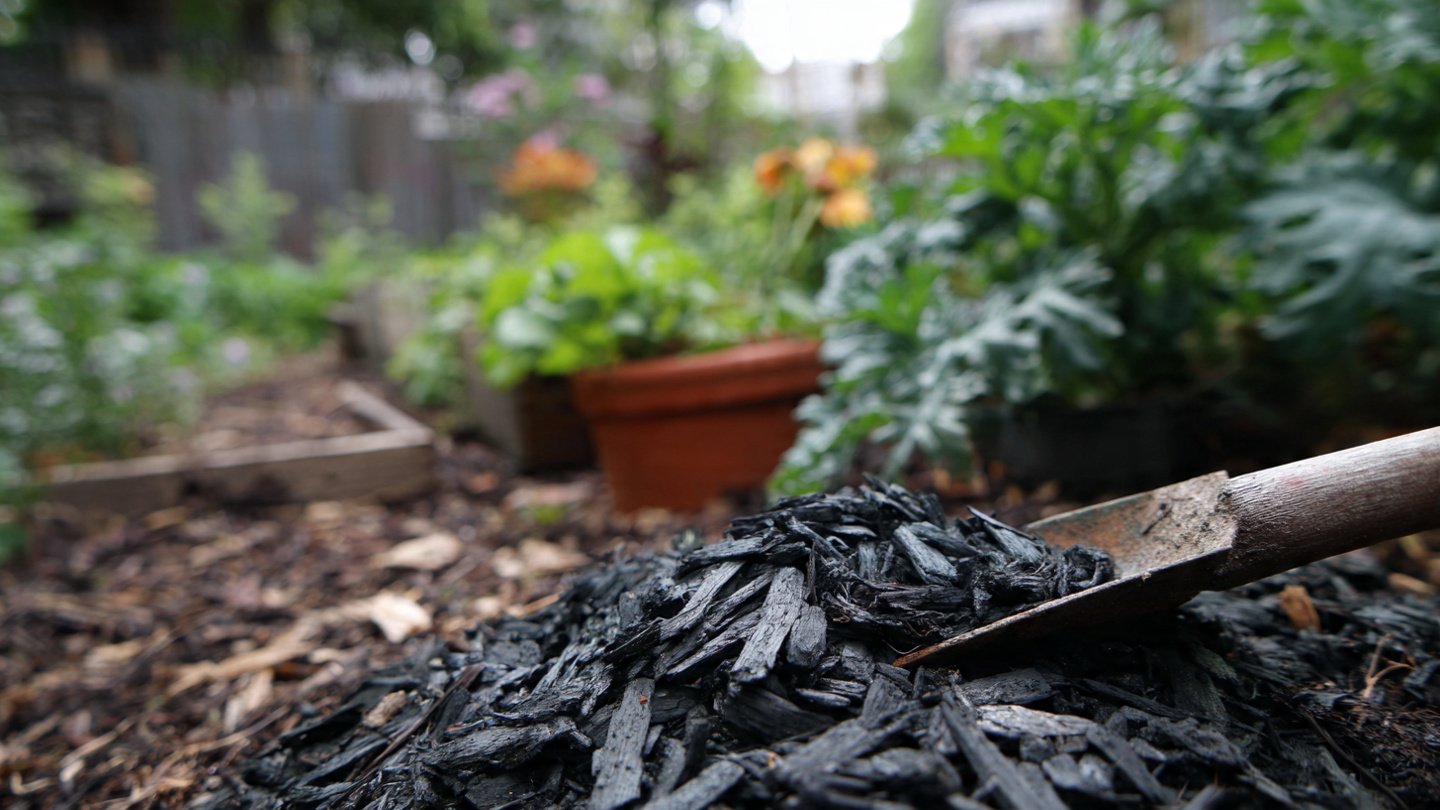

Biochar is an ancient agricultural technique gaining modern popularity due to its multiple benefits for soil health, plant growth, and carbon sequestration. Created through the pyrolysis of organic materials, biochar offers a way to convert waste biomass into a stable form of carbon that enhances soil productivity. In this article, we will explore how biochar can transform your garden soil for the better, its impacts on soil health, plant growth, and its environmental contributions.
What is Biochar?
Biochar is a type of charcoal produced from biomass through pyrolysis, a process that involves heating organic material in the absence of oxygen. This method both preserves carbon—preventing it from being released as CO2— and enhances the material’s ability to hold nutrients and moisture, making it a valuable amendment for garden soil.
How Biochar Enhances Soil Properties
When applied to soil, biochar significantly alters its physical and chemical properties. Below are some key ways in which biochar enhances soil health:
1. Improved Soil Structure
The porous structure of biochar increases soil aeration, facilitating better root growth. It also helps improve drainage in heavy soils and moisture retention in sandy soils.
2. Nutrient Retention
Biochar’s high surface area allows it to hold onto nutrients and release them slowly to plants. This leads to increased efficiency in nutrient use, reducing the need for chemical fertilizers.
3. Enhanced Microbial Activity
Biochar provides a habitat for beneficial soil microbes, promoting a healthy soil ecosystem. This microbial diversity plays a pivotal role in nutrient cycling and disease suppression.
4. pH Balancing
Biochar can help to buffer soil pH, making it more neutral and suitable for a wider range of plants. This is especially beneficial in acidic or alkaline soils.
Benefits of Biochar for Plant Growth
Beyond improving soil health, biochar contributes directly to enhanced plant growth in several ways:
1. Increased Crop Yields
Numerous studies indicate that plants grown in biochar-amended soils often exhibit higher yields, attributable to improved nutrient availability, water retention, and root structure.
2. Stress Resilience
Plants in biochar-amended soils are often more resilient to environmental stresses such as drought or disease. The moisture retention capabilities of biochar provide a buffer during dry periods.
3. Organic Matter Addition
By incorporating biochar into your garden, you are essentially adding organic matter which further benefits soil health by enhancing its structure and nutrient profile.
Environmental Benefits of Biochar
In addition to its agricultural benefits, biochar plays a role in addressing environmental issues such as climate change:
1. Carbon Sequestration
By storing carbon in a stable form, biochar can help reduce atmospheric CO2 levels, mitigating climate change impacts.
2. Waste Reduction
Producing biochar can utilize plant waste, wood chips, and other organic materials, contributing to waste reduction and promoting a circular economy.
How to Use Biochar in Your Garden
Introducing biochar into your garden is straightforward. Here’s a step-by-step guide:
1. Choose the Right Biochar
Select biochar that suits your soil type and the crops you intend to grow. Look for quality biochar, preferably made from hardwood or other dense biomass.
2. Prepare the Biochar
Before applying biochar, it is beneficial to “charge” it by mixing it with compost or placing it in a nutrient-rich solution. This helps introduce nutrients into the biochar, which, when applied to soil, can enhance its effectiveness.
3. Application Rate
A general recommendation is to apply 5-10% of biochar to soil volume. For new gardens, amend the planting hole with biochar, while existing gardens can benefit from spreading it on top and tilling it in.
4. Frequency of Application
You can add biochar every few years or as needed based on soil testing. Regular applications can further enhance soil health over time.
Considerations and Challenges
While the benefits of biochar are numerous, there are some considerations to keep in mind:
1. Quality Matters
Not all biochar is created equal. The feedstock, production method, and use of additives can all influence its effectiveness. Ensure you source high-quality biochar for the best results.
2. Initial Costs
The initial investment in biochar may seem steep, especially for larger applications. However, the long-term benefits often outweigh the initial costs.
3. Proper Management
Like any soil amendment, biochar requires proper management to reap its benefits. Regular soil testing and adjustments to the soil’s overall management practices can enhance its effectiveness.
Conclusion
Biochar presents a transformative opportunity for gardeners looking to enhance soil health and promote sustainable practices. Its multifaceted benefits—ranging from improved soil structure and nutrient retention to environmental advantages like carbon sequestration—underscore its importance in modern gardening and agriculture. As we strive for more sustainable ways to garden and farm, incorporating biochar could very well be a step forward in ensuring healthier plants and a healthier planet. By considering the proper application techniques and being mindful of quality, gardeners can harness the power of biochar to create vibrant and productive gardens.
FAQs
1. What is the best type of biochar for garden use?
The best type of biochar is usually made from hardwood sources due to its higher carbon content and stability. Look for biochar that has been tested for quality.
2. How often should I apply biochar to my garden?
You can apply biochar every few years or as needed based on soil testing. Regular amendments can help maintain soil health.
3. Can I make my own biochar at home?
Yes, you can create biochar at home using a method called slow pyrolysis. However, ensure to follow safety guidelines and practices for best results.
4. Does biochar have any negative effects on plants?
When applied in appropriate amounts, biochar is generally beneficial for plants. However, excessive amounts can lead to nutrient imbalances, so moderation is key.
5. Is biochar safe for organic gardening?
Yes, biochar is safe for organic gardening as long as it is made from organic feedstock and doesn’t contain harmful chemicals.