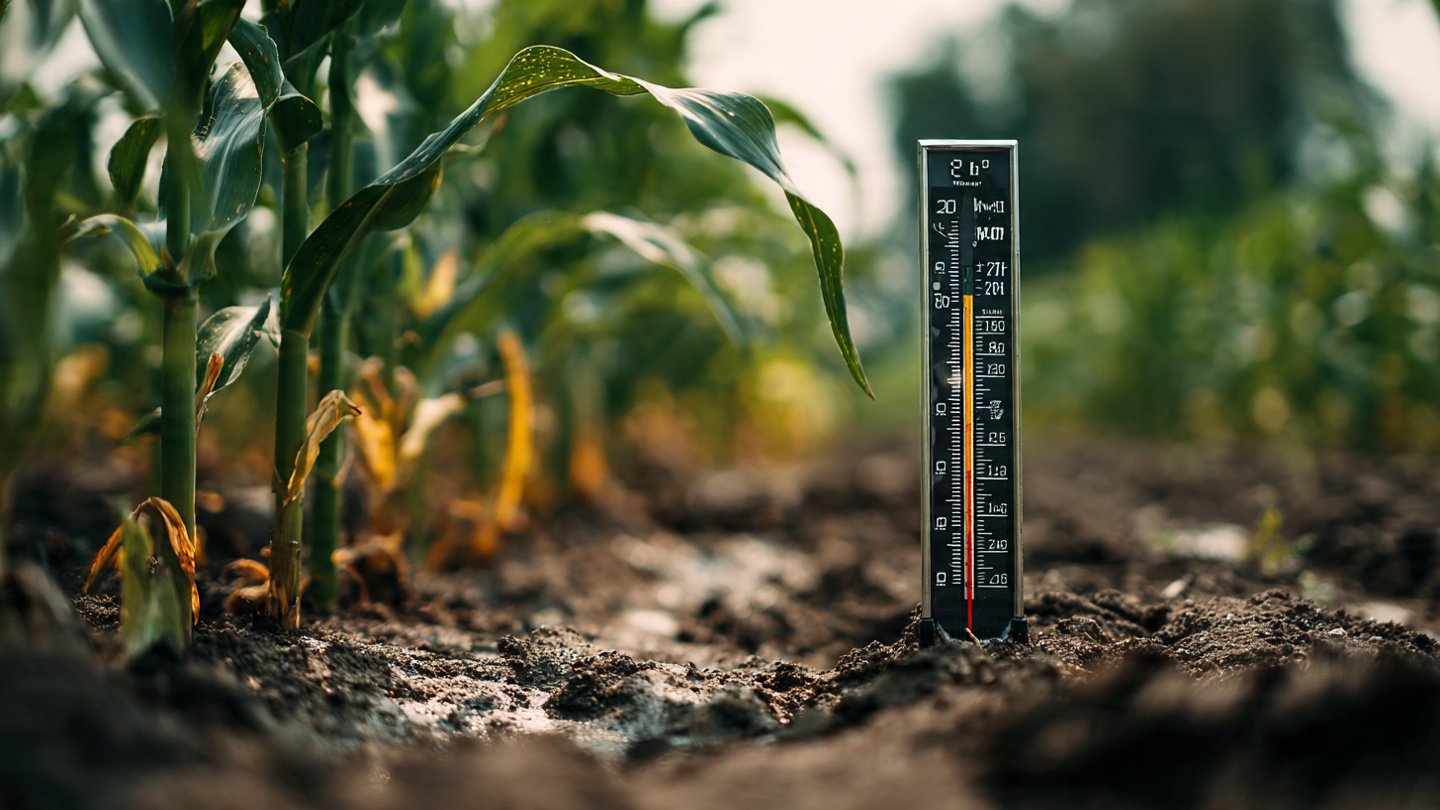

When it comes to successful corn planting, timing and precision are everything. Planting corn at the right time and under the right conditions can make a significant difference in yield and quality. A soil thermometer is an invaluable tool that can enhance your planting strategy, ensuring that your corn crops have the best chance of thriving. In this article, we will explore the role of soil temperature in corn growth, how to effectively use a soil thermometer, and the transformative impact it can have on your planting success.
The Importance of Soil Temperature
Soil temperature plays a critical role in the growth and development of corn. It influences seed germination, root development, and overall plant health. The optimal soil temperature for corn germination is typically between 50°F (10°C) and 86°F (30°C). If soil temperatures are too low, seed germination can be delayed, leading to uneven stands and stress on the plants. Conversely, excessively high soil temperatures can lead to damaged seeds and reduced growth potential.
How a Soil Thermometer Works
A soil thermometer is a simple yet effective instrument used to measure the temperature of the soil at various depths. Most models are designed for easy insertion into the ground and provide quick readings, allowing farmers to monitor conditions accurately. Using a soil thermometer involves the following steps:
- Calibration: Ensure your thermometer is calibrated for accurate readings. Some models come pre-calibrated, while others may require adjustments.
- Insertion: Insert the thermometer into the soil at the desired depth, usually around 2 to 4 inches, where the seeds will be planted.
- Reading: Wait for a few moments for the thermometer to stabilize before taking the reading.
- Recording: Keep a record of the temperatures taken at various times to better understand soil warming trends.
Best Practices for Using a Soil Thermometer
To maximize the benefits of a soil thermometer in your corn planting strategy, consider these best practices:
1. Monitor Regularly
Regular monitoring of soil temperatures, especially in the weeks leading up to planting, provides valuable data for decision-making. Pay particular attention to warming trends, as this will help you determine the ideal planting window.
2. Measure at Consistent Depths
Consistency is key when using a soil thermometer. Always measure at the same depth to ensure your readings are comparable over time. This consistency helps identify if soil temperatures are rising or falling significantly.
3. Take Multiple Readings
To account for variability in soil temperature across different areas of your field, take multiple readings in different locations. This will provide a more comprehensive understanding of soil conditions and help identify any microclimates that may affect growth.
4. Understand Weather Patterns
Pay attention to weather forecasts and trends in your region. Sudden changes in weather can impact soil temperature, so being aware will help you make informed planting decisions.
The Transformative Impact on Planting Success
Using a soil thermometer can radically transform your corn planting success in several ways:
1. Optimized Planting Times
With accurate soil temperature data, farmers can identify the optimal planting time. Planting too early can lead to poor germination rates, while planting too late might result in a shorter growing season. A soil thermometer helps in hitting that sweet spot for planting.
2. Improved Germination Rates
Knowing the soil temperature allows you to ensure conditions are right for germination. This leads to more uniform stands and better crop health right from the start, enhancing overall yield potential.
3. Resource Management
By understanding soil temperatures, farmers can better manage their resources. For example, if temperatures are low, you can delay planting and allocate labor and inputs more efficiently, rather than risking poor crop establishment.
4. Informed Care Practices
Monitoring soil temperature also aids in irrigation and fertilization decisions. If the soil is warmer, it may require different water levels or nutrient inputs compared to cooler conditions, leading to a more tailored and effective crop care strategy.
Conclusion
In summary, a soil thermometer is a simple yet powerful tool that can transform your corn planting success. By providing crucial data about soil temperatures, it allows farmers to optimize planting times, improve germination rates, manage resources effectively, and make informed care decisions. Investing in a soil thermometer not only enhances your understanding of soil conditions but ultimately leads to a more productive corn crop. Embracing this technology can be a game-changer for farmers aiming to boost their yields and reduce the risks associated with corn planting.
FAQs
1. What is the optimal soil temperature for planting corn?
The optimal soil temperature for corn planting is generally between 50°F (10°C) and 86°F (30°C). Germination rates are best within this range.
2. How deep should I measure soil temperature?
It is recommended to measure soil temperature at a depth of about 2 to 4 inches, which is where the seeds will be planted.
3. How often should I check soil temperature?
Regular monitoring, especially in the weeks leading up to planting, is crucial. Checking soil temperature every few days can provide valuable insights into warming trends.
4. Can soil temperature affect crop yield?
Yes, soil temperature greatly influences germination and plant health, affecting overall yield. Proper temperature management can lead to better results.
5. Are there any other factors to consider besides soil temperature?
While soil temperature is important, other factors such as moisture levels, weather conditions, and soil type also play vital roles in corn planting success.