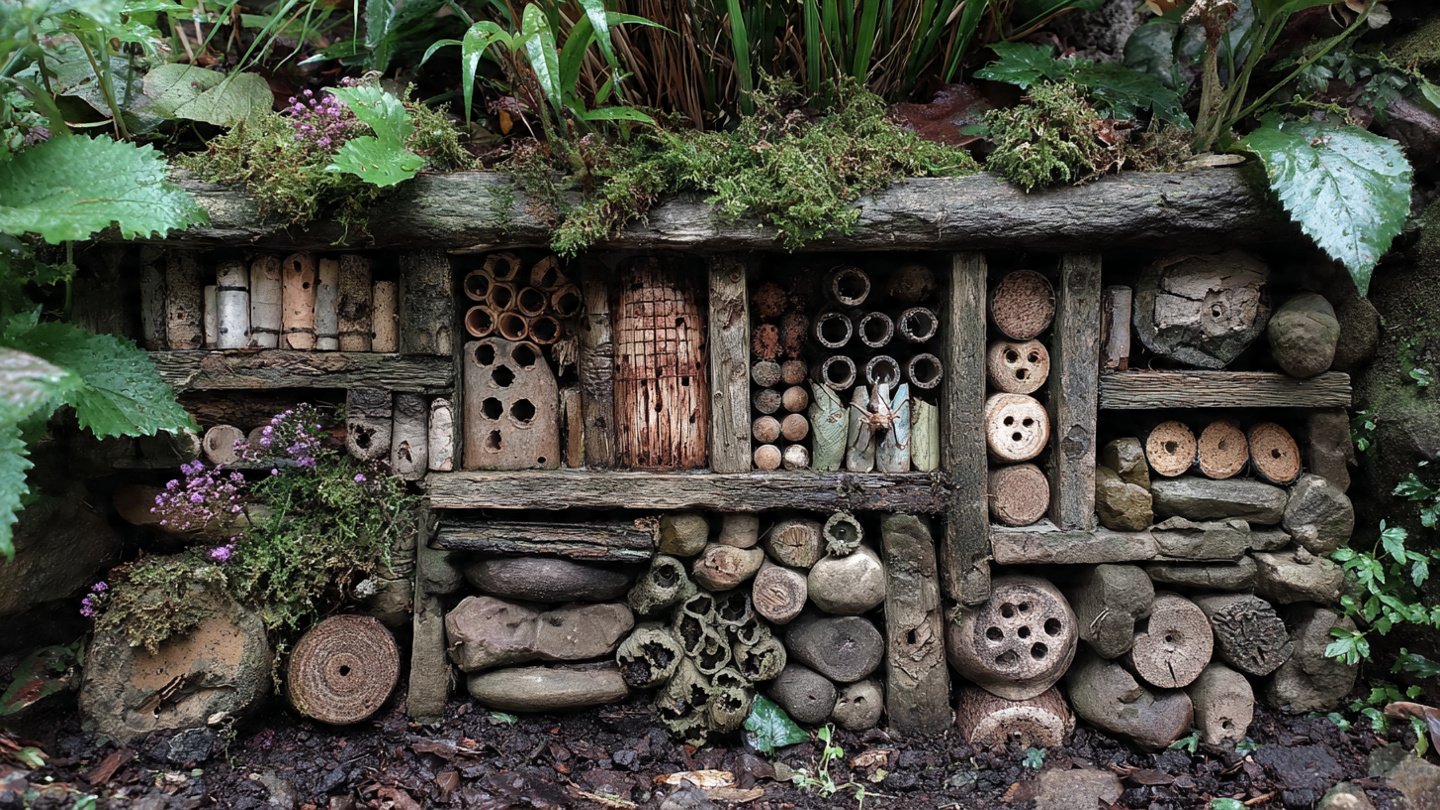

Creating a vibrant and sustainable garden can be a delightful and rewarding experience, especially during the sweltering summer months. However, maintaining such a garden can pose challenges, particularly in terms of temperature and water retention. One innovative solution to bolster your garden’s productivity is the establishment of a bug hotel. Though often underestimated, bug hotels play a critical role in supporting local ecosystems, promoting beneficial insects, and helping plants thrive even in extreme heat.
A bug hotel is essentially a structure designed to provide shelter and nesting opportunities for various insects, particularly beneficial ones like bees, ladybugs, and predatory wasps. Unlike traditional hotels, which focus on luxurious accommodations, bug hotels emphasize functional diversity. They can be made from natural materials such as wood, straw, leaves, and twigs, creating microhabitats that cater to different species. This article explores how incorporating a bug hotel into your garden can enhance its resilience and productivity during the hot summer months.
Understanding Beneficial Insects
Before delving into how bug hotels can help your garden, it’s essential to understand the core benefits that these historical allies bring. Beneficial insects are organisms that contribute positively to gardens and agricultural systems. They include pollinators, predators, and decomposers.
-
Pollinators: Bees, butterflies, and other insects are critical for pollination, which is necessary for plants to produce fruits, seeds, and new growth. A thriving population of pollinators can significantly enhance your garden’s productivity.
-
Predators: Many insects prey on harmful pests, such as aphids, caterpillars, and spider mites. By attracting natural predators to your garden, the need for chemical pesticides decreases, promoting a healthier ecosystem.
-
Decomposers: Bugs like beetles and certain types of ants break down organic material. Their activities enrich the soil by recycling nutrients that plants need.
Creating a Diverse Ecosystem
One of the primary advantages of establishing a bug hotel is that it encourages biodiversity. In any ecosystem, a diverse community is more resilient to environmental changes and stressors. When different species thrive, the garden experiences balanced functioning, from pollination to pest control.
Providing Shelter and Nesting Materials
In the heat of summer, insects may struggle with temperature extremes and lack of moisture. A bug hotel acts as a refuge, providing necessary cover and nesting spots where insects can escape the heat and seek moisture.
-
Structure and Material: Bug hotels can be constructed using various materials like hollow stems, wood blocks, and pinecones. Different compartments cater to bees, beetles, and spiders. This multiplicity ensures that various beneficial creatures can inhabit your garden.
-
Microhabitats: By incorporating materials like straw and wood, residents of a bug hotel can find suitable nesting environments. For example, native solitary bees, which are excellent pollinators, often prefer to lay their eggs in hollow tubes or small cavities. Bug hotels mimic their preferred habitats, thereby attracting them.
Enhancing Pollination
In summer, flowering plants are in full bloom, and pollination becomes more crucial than ever. A bug hotel can help gather a diverse set of pollinators that will increase the chances of successful pollination across the garden.
-
Bee Attraction: A well-designed bug hotel, especially one that includes features like bamboo canes or hollow reeds, will attract solitary bees, which do not live in hives like honeybees. Solitary bees are often more efficient pollinators and are active early in the morning or late in the evening when other pollinators may be dormant due to high temperatures.
-
Butterfly Habitats: Butterfly species can also benefit from bug hotels, especially if the hotel is placed close to flowering plants they prefer. By attracting a variety of pollinators, you ensure better pollination rates and healthier produce.
Natural Pest Control
Chemical pesticides can be harmful to the environment and may kill beneficial insects along with pests. Bug hotels help promote a natural form of pest control by attracting predatory insects that feed on harmful pests.
-
Ladybugs and Lacewings: These insects are natural predators of aphids. By creating a habitat that attracts them, you can effectively manage aphid populations without chemical intervention.
-
Wasps: Parasitic wasps can lay their eggs inside harmful pest larvae, effectively controlling their populations. Bug hotels provide resting places, increasing the likelihood these beneficial wasps will take up residence in your garden.
Supporting Soil Health and Structure
Healthy soil is fundamental for any thriving garden, and insect activity is key to maintaining soil quality.
-
Soil Aeration: Insects such as beetles burrow through the soil, enhancing aeration and allowing water to seep in more effectively. This helps maintain moisture levels even during drought-like conditions, which are more prevalent in summer.
-
Nutrient Recycling: Decomposer insects break down organic matter and expose nutrients within it. This not only enhances soil fertility but also improves the soil structure, making it better able to retain moisture during the heat.
Water Management
In the summertime, plants require more water, but many gardens suffer from heat stress due to inadequate hydration. The establishment of a bug hotel can indirectly aid in water conservation practices.
-
Microclimate Creation: The structure of a bug hotel can create a slightly cooler microclimate that helps preserve moisture in the surrounding areas.
-
Insect Activity: With beneficial insects present, the soil becomes healthier. This ensures better water retention properties, reducing the frequency of watering required throughout the summer.
Implementing a Bug Hotel in Your Garden
Creating your bug hotel can be a fun and educational project. Here’s a simple guide to get you started:
-
Location: Place your bug hotel in a sunny spot, preferably close to flowering plants and water sources.
-
Framework: Use a wooden frame and fill it with diverse materials, including bamboo canes, hollow stems, pinecones, and straw. Each element should cater to a variety of insects.
-
Maintenance: Check on your bug hotel periodically. Ensure that materials remain dry and mold-free. You may need to replace some components, especially natural items that decompose.
-
Education: Engage family members or local schools to turn this project into an educational space, emphasizing biodiversity and sustainability.
Conclusion
Establishing a bug hotel in your garden is an effective and eco-friendly means of enhancing not only the health and resilience of your plants but also the overall ecosystem. By attracting beneficial insects, supporting pollination, enhancing soil health, and providing natural pest control, a bug hotel contributes significantly to your garden’s success, especially during the hot summer months.
In a world increasingly concerned about environmental sustainability and biodiversity, simple changes like incorporating a bug hotel can have a profound impact. By investing in these small yet crucial structures, you are not just creating a haven for bugs but a flourishing garden that thrives in heat, fosters biodiversity, and enriches your gardening experience. Whether you’re a seasoned gardener or just starting, a bug hotel is a valuable addition that promises long-term benefits for both the garden and the environment.