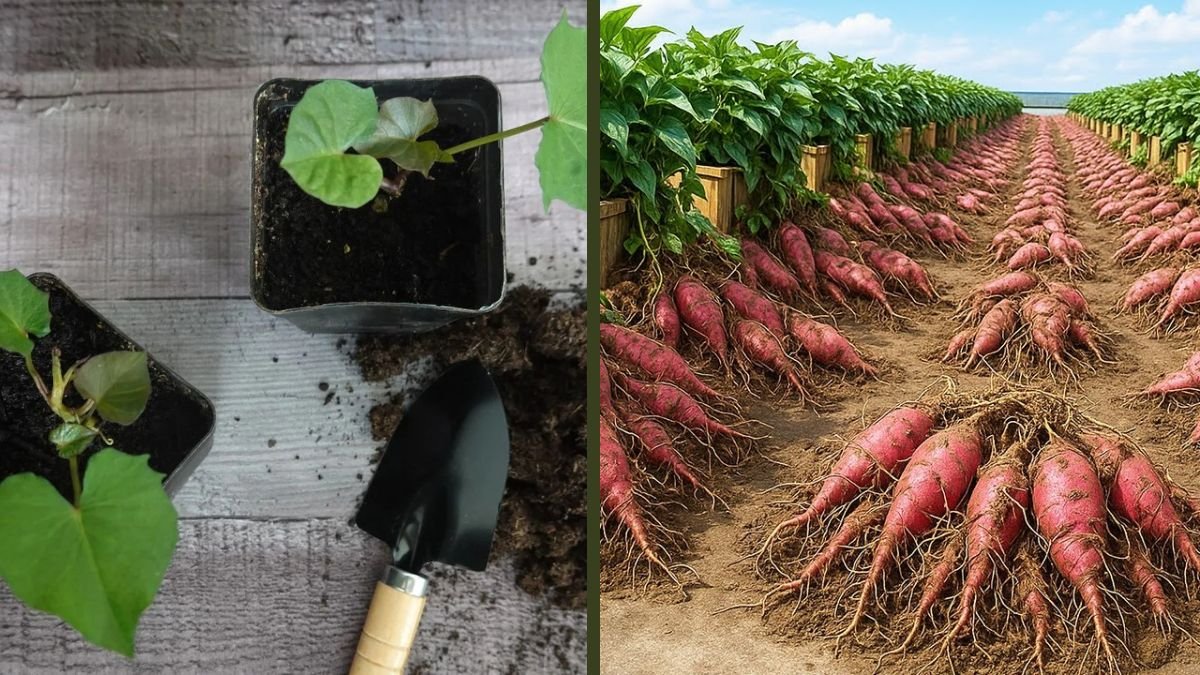

Introduction: Sweet Potatoes Without a Garden
Sweet potatoes are nutritious and versatile. Many think they require large fields. Surprisingly, plastic tubs work perfectly. Balconies, rooftops, and terraces are ideal. Container growing controls soil quality. Sweet potatoes grow underground but spread easily. With proper planning, yields are excellent. This method suits urban gardeners. Fresh tubers become accessible.
Why Plastic Tubs Are Ideal
Plastic tubs provide deep soil space. They retain moisture well. Easy to move and reposition. Affordable and reusable. Tubs allow good root expansion. Drainage holes prevent rot. Controlled environment improves yield. Perfect for small spaces.
Choosing the Right Sweet Potato Variety
Bush or compact varieties work best. Local varieties adapt easily. Disease-resistant types reduce risk. Orange and purple varieties grow well. Vine length affects container choice. Variety selection influences yield. Choose wisely for success. Quality slips matter.
Preparing Sweet Potato Slips
Sweet potatoes grow from slips. Slips are shoots from tubers. Place tubers in water or soil. Shoots appear within weeks. Cut slips carefully. Healthy slips grow faster. Preparation is simple. Good slips ensure yield.
Selecting the Right Plastic Tub
Choose deep and wide tubs. Minimum depth should be adequate. Make drainage holes at bottom. Strong tubs last multiple seasons. Avoid shallow containers. Size affects tuber development. Proper selection ensures success. Stability matters.
Soil Preparation for Tubs
Sweet potatoes prefer loose soil. Mix garden soil, compost, and sand. Soil must drain well. Organic matter improves tuber size. Avoid compact soil. Healthy soil prevents deformities. Preparation determines quality. Loose soil is essential.
Planting Sweet Potato Slips
Plant slips at an angle. Cover roots gently. Space slips properly. Water after planting. Avoid burying stems deeply. Proper planting encourages growth. Early care reduces stress. Establishment is crucial.
Sunlight Requirements
Sweet potatoes need full sunlight. Place tubs where sun is abundant. Six to eight hours is ideal. Sun promotes tuber formation. Rotate tubs if needed. Avoid shade. Light affects yield significantly. Proper placement matters.
Watering Sweet Potatoes in Tubs
Water consistently but lightly. Avoid waterlogging. Soil should remain moist. Overwatering causes rot. Check drainage regularly. Morning watering is ideal. Balanced moisture promotes tuber growth. Water management is critical.
Fertilizing for Healthy Growth
Sweet potatoes need balanced nutrition. Too much nitrogen increases vines. Use compost and organic feed. Potassium supports tuber development. Feed lightly every few weeks. Avoid chemical fertilizers. Balanced feeding improves harvest. Moderation is key.
Managing Vine Growth
Vines spread quickly. Guide vines gently. Avoid excessive vine rooting. Lift vines occasionally. This directs energy to tubers. Proper management increases yield. Observation helps control growth. Simple steps matter.
Pest and Disease Control
Sweet potatoes are hardy. Occasional pests may appear. Neem spray controls insects. Remove damaged leaves. Healthy soil reduces disease. Avoid excess moisture. Organic methods work well. Regular checks prevent issues.
Earthing Up Technique
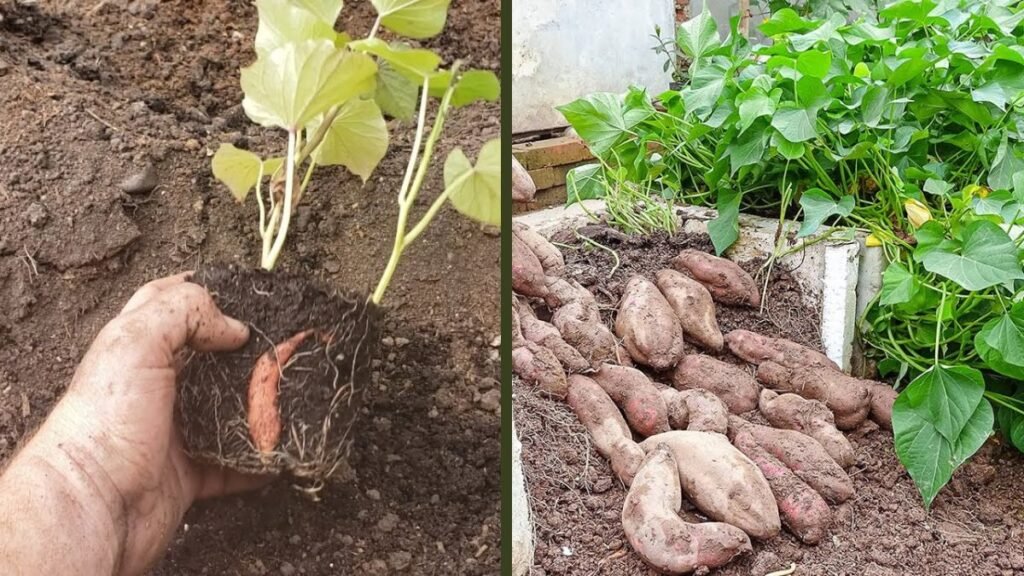
Add soil gradually as vines grow. This supports tuber expansion. Earthing up improves yield. It prevents tuber exposure. Gentle addition is enough. This technique boosts harvest. Simple practice brings results. Timing matters.
Flowering and Growth Stage
Sweet potatoes focus on tubers, not flowers. Vine growth indicates health. Avoid stress during growth. Maintain consistent care. Growth stage determines harvest time. Patience is essential. Healthy vines mean healthy tubers. Observation helps.
Harvesting Sweet Potatoes
Harvest after three to four months. Leaves start yellowing. Loosen soil gently. Avoid damaging tubers. Harvest carefully by hand. Proper timing improves sweetness. Gentle handling prevents bruises. Harvest is rewarding.
Post-Harvest Curing
Curing improves sweetness and storage life. Dry tubers in shade. Allow airflow. Cure for one to two weeks. Proper curing enhances flavor. Storage becomes easier. Simple process improves quality. Worth the effort.
Expected Yield from Plastic Tubs
One tub can yield several tubers. Yield depends on care. Proper soil increases size. Consistency improves results. Small spaces become productive. Results surprise gardeners. Effort pays off. Harvest is satisfying.
Comparison Table: Ground vs Tub Growing
| Aspect | Ground Growing | Plastic Tubs |
|---|---|---|
| Space needed | Large | Small |
| Soil control | Low | High |
| Mobility | Fixed | Movable |
| Urban use | Difficult | Ideal |
| Yield control | Moderate | High |
Sustainability and Benefits
Reuses plastic containers. Reduces grocery expenses. Encourages home food security. Saves water. Eco-friendly method. Suitable for cities. Long-term benefits are strong. Sustainable lifestyle choice.
Conclusion
Growing sweet potatoes in plastic tubs proves that no yard is required. With simple materials and consistent care, urban homes can produce nutritious tubers. This method is beginner-friendly and effective. Small spaces can feed families. Gardening becomes empowering.