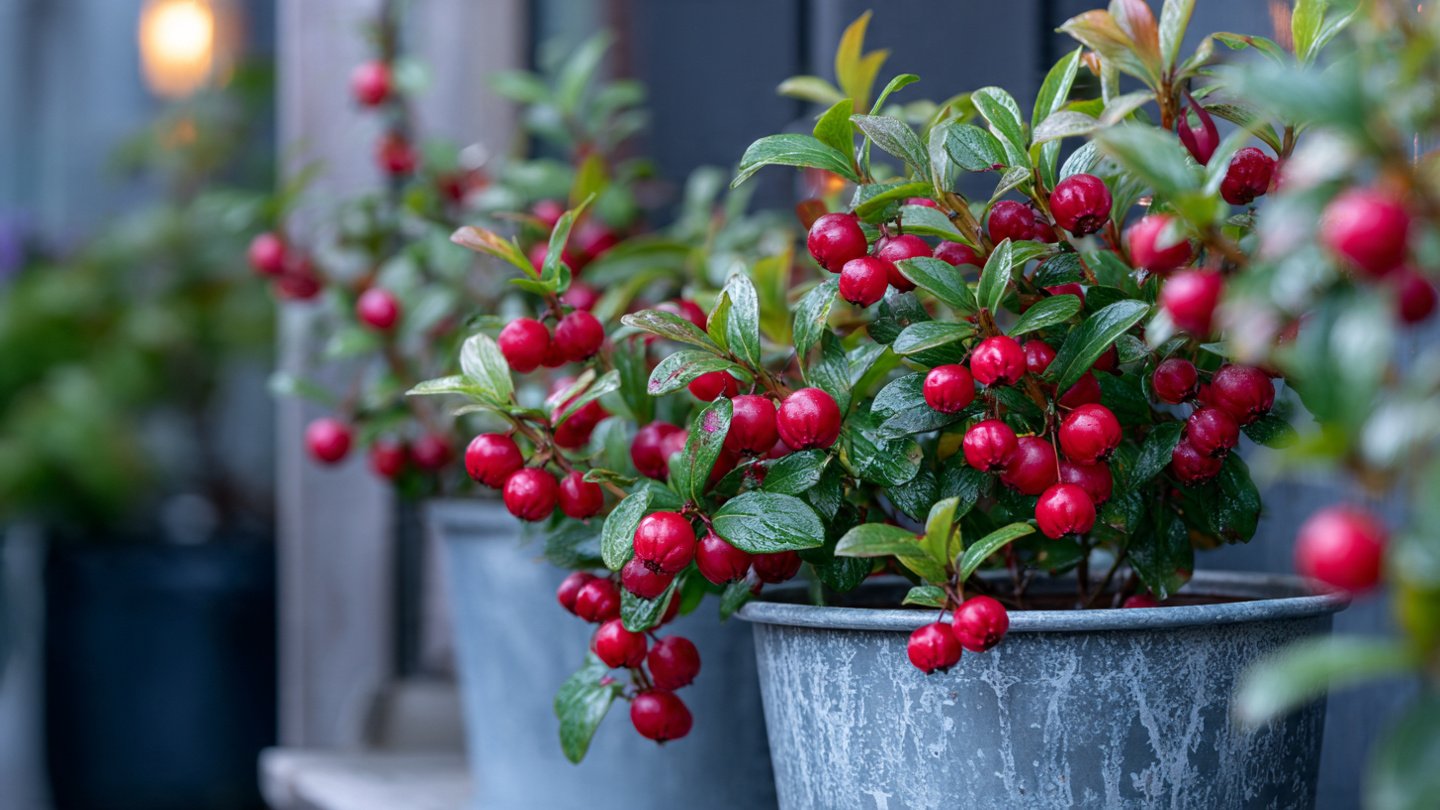

In urban settings where space is at a premium, container gardening has become an increasingly popular solution for those seeking to cultivate their own plants. One of the best candidates for container growth is the lingonberry (Vaccinium vitis-idaea), a resilient perennial that offers numerous benefits for gardeners. This article will explore the advantages of growing lingonberries in containers, how to do it, and answer some frequently asked questions to help you get started.
What are Lingonberries?
Lingonberries are small, red berries that belong to the heather family and are primarily found in the cooler regions of the Northern Hemisphere. These berries are not only delicious but also packed with nutrients and health benefits, including antioxidants, vitamins, and minerals. They are often used in jams, jellies, and sauces, and are prized for their tart flavor, making them a great addition to various culinary dishes.
Benefits of Growing Lingonberries in Containers
1. Ideal for Limited Space
Lingonberries thrive in compact conditions, making them perfect for container gardening. Whether you have a small balcony, terrace, or even a windowsill, these plants can fit snugly into your space without overwhelming it. Their upright growth habit allows for vertical gardening, letting you maximize the limited area you have.
2. Versatile Aesthetic Appeal
Beyond their culinary uses, lingonberry plants offer decorative appeal. Their glossy evergreen foliage and clusters of bright red berries create an inviting visual display. Placing them in stylish containers can enhance the aesthetics of patios, balconies, or urban gardens, making them not only functional but also beautiful.
3. Easy to Manage
Container gardening generally allows for easier maintenance compared to traditional gardening. Lingonberries can be tended to more conveniently since they are at a manageable height. This makes it easier to monitor for pests, water, and harvest the berries. Additionally, the soil in containers can be amended easily to meet the specific needs of the plant.
4. Improved Soil Drainage and Quality
Containers provide better drainage than ground planting, which is essential for lingonberries. They prefer acidic soil and do not tolerate standing water well. By using quality potting soil that is specifically mixed for acid-loving plants, container gardeners can ensure proper nutrient availability and prevent root rot.
5. Pest and Disease Control
Growing lingonberries in containers makes it easier to control pest infestations and disease outbreaks. Since container plants are raised off the ground, they are less susceptible to soil-borne diseases and certain pests. This can lead to healthier plants and higher yields.
6. Flexibility in Location
Container-grown lingonberries can be moved easily according to seasonal changes. This mobility allows gardeners to position the plants in optimal sunlight locations or bring them indoors in harsh weather. This flexibility is especially beneficial in urban environments where conditions can vary significantly.
7. Year-Round Interest
Lingonberry plants offer seasonal interest throughout the year. In spring, the plants bloom with white flowers, while summer brings luscious green foliage. As fall arrives, the leaves turn vibrant shades, and by late summer to early fall, the berries are ready for harvest. This continuous interest adds layers of beauty to any small space garden.
How to Grow Lingonberries in Containers
1. Choosing the Right Container
When selecting a container for lingonberries, opt for one that is at least 12 inches in diameter and has proper drainage holes. Materials such as ceramic, plastic, and wood work well. Ensure the container is capable of withstanding the weight of the plant and the soil.
2. Selecting the Appropriate Soil
Lingonberries thrive in acidic soil with a pH between 4.5 and 5.5. A potting mix specifically designed for acid-loving plants, such as rhododendrons or azaleas, will work well. You can also mix peat moss, pine bark, and perlite to create an optimal environment.
3. Light Requirements
Lingonberries prefer partial to full sunlight, so position your container where it will receive at least 6 hours of sunlight per day. If you have a particularly hot climate, providing some afternoon shade can help protect the plants from scorching.
4. Watering
Container plants tend to dry out more quickly than ground plants, so regular watering is essential. Ensure the soil is consistently moist but not waterlogged. A good rule of thumb is to water the plant when the top inch of soil feels dry.
5. Fertilization
Lingonberries benefit from regular fertilization, particularly if they are growing in a container. Use an organic fertilizer designed for acid-loving plants, typically every 4 to 6 weeks during the growing season. This will ensure optimal berry production and plant health.
6. Pollination
While lingonberry plants are self-pollinating, having more than one plant increases the yield and size of the berries. Consider planting at least two varieties to encourage better pollination, which can be easily accomplished in container gardens.
7. Pruning and Maintenance
Lingonberries don’t require extensive pruning, but annual maintenance can help keep plants healthy. Remove any dead or damaged leaves and spent blooms to promote air circulation and prevent disease.
8. Harvesting
Lingonberries typically ripen from late summer to early fall. Harvest the berries during this time, ensuring they are deep red and firm to the touch. The berries can be stored in a cool, dry place or frozen for longer preservation.
FAQs
Q1: Can I grow lingonberries indoors?
Yes, lingonberries can be grown indoors if they receive adequate sunlight, ideally near a south-facing window or under grow lights. Ensure good drainage and use the right soil for optimal growth.
Q2: How often should I fertilize my lingonberries in containers?
Lingonberries should be fertilized every 4 to 6 weeks during the growing season with a fertilizer formulated for acid-loving plants to promote healthy growth and berry production.
Q3: What is the best time to plant lingonberries?
The best time to plant lingonberries is in the spring after the last frost, or in the fall, allowing the plants to establish roots before the winter season.
Q4: Do lingonberries require a lot of water?
While lingonberries prefer moist soil, they should not be overwatered. Keep the soil consistently moist, checking it regularly to prevent drying out.
Q5: How long does it take for lingonberries to produce fruit?
Lingonberries typically begin producing fruit 2 to 3 years after planting, though optimal yields may take longer depending on care and environmental conditions.
Q6: What pests should I watch out for?
Common pests include aphids and spider mites. Regular monitoring and timely intervention can help manage any potential infestations.
Q7: Can I propagate lingonberries from cuttings?
Yes, lingonberry plants can be propagated from softwood cuttings in early summer or semi-hardwood cuttings in late summer, though successful propagation can vary.
Conclusion
Growing lingonberries in containers is an excellent solution for urban gardeners and those with limited space. With their many advantages, including aesthetic appeal, ease of maintenance, and delicious fruit, these resilient plants can provide ample rewards for minimal effort. Whether you’re a seasoned gardener or a beginner, incorporating lingonberries into your container garden can enhance your culinary offerings and contribute positively to your living space. Start growing today and enjoy the delightful experience of cultivating your own berries!