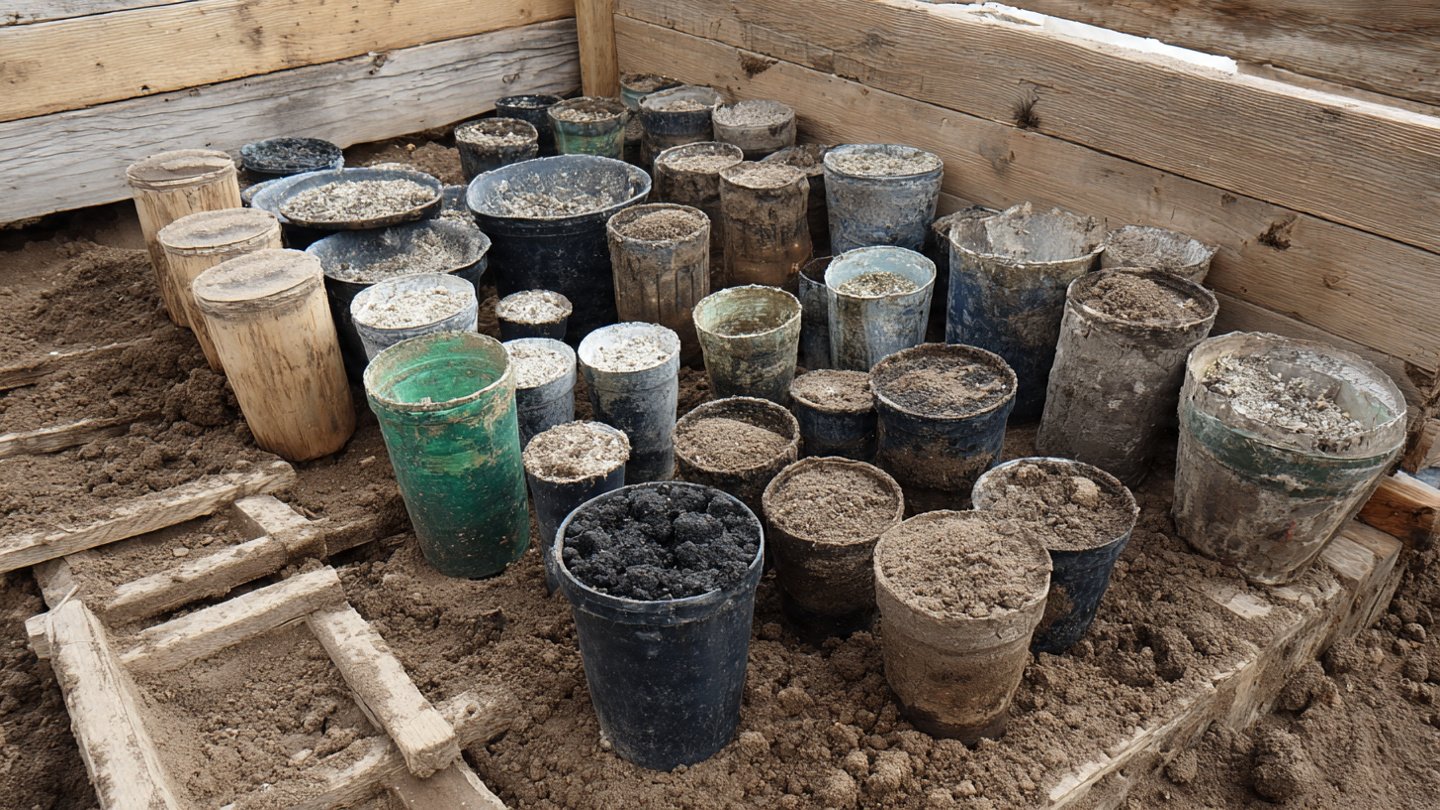

Understanding the drying dynamics of soil in potted plants is crucial for effective plant care, especially in indoor gardening and container gardening. The type of pot material significantly influences how moisture levels in the soil fluctuate over time. This article explores various pot materials—such as plastic, clay, ceramic, and metal—and their impact on soil drying dynamics.
Types of Pot Materials
1. Plastic Pots
Plastic pots are among the most commonly used container types due to their lightweight nature and affordability. They come with various sizes, colors, and designs.
Advantages:
- Lightweight and easy to handle.
- Cost-effective and widely available.
- They retain moisture well, making them suitable for plants that prefer consistent soil moisture.
Disadvantages:
- They are less breathable than other materials, which can lead to root rot if overwatered.
- UV exposure can degrade plastic over time, causing brittleness and crack formation.
2. Clay Pots
Clay pots, or terracotta pots, have been used for centuries and are known for their porous nature.
Advantages:
- Highly breathable, allowing for better air exchange and root health.
- Effective at evaporating moisture, helping to prevent root rot.
- Natural aesthetic appeal that blends well with indoor and outdoor settings.
Disadvantages:
- Heavy and can be difficult to move.
- Prone to cracking if exposed to freezing temperatures.
3. Ceramic Pots
Ceramic pots are similar to clay pots but are typically glazed, which prevents moisture loss through the sides.
Advantages:
- Aesthetic versatility with a wide variety of designs and colors.
- Glazed interiors help retain moisture longer than unglazed options.
Disadvantages:
- Heavier than plastic and clay options, making them harder to manage.
- Glazing can reduce their breathability, potentially leading to overwatering.
4. Metal Pots
Metal pots, often made from steel, aluminum, or copper, are less common but can be an elegant choice.
Advantages:
- Durable and long-lasting, often resistant to environmental damage.
- Modern aesthetic appeal that can complement contemporary decor.
Disadvantages:
- Poor insulation can cause soil to dry out quickly.
- Metal can rust if not coated properly, reducing longevity.
Influence of Pot Materials on Soil Drying Dynamics
While the material of the pot is a significant factor, it is essential to also consider how these materials interact with various soil types, plant species, and environmental conditions.
Moisture Retention
Plastic pots generally retain moisture best, which can create a conducive environment for plants that require high humidity. On the other hand, clay and terracotta pots lead to faster moisture loss due to their porous surfaces. This aspect is vital for plants like succulents and cacti that thrive in drier conditions.
Drying Rate and Temperature Influence
The rate at which soil dries can also depend on the material’s thermal properties. For instance, metal pots can heat up quickly in direct sunlight, leading to accelerated evaporation rates. Conversely, clay pots may moderate temperature changes, offering a more stable environment for plant roots.
Air Circulation
Air circulation is crucial for root health. Clay pots, due to their porous nature, allow for better air exchange, which can help prevent root diseases. Plastic pots, often lacking drainage holes or ventilation, can hinder this vital process.
Practical Tips for Flower Pots Selection
Choosing the right pot material involves understanding both your plants’ needs and your own preferences. Here are some practical tips:
- For high-humidity plants, consider using plastic or ceramic pots that retain moisture longer.
- If growing drought-resistant plants, opt for clay pots to enhance soil drying dynamics.
- Consider your planting environment—indoors vs. outdoors—when selecting metal pots, as they may be less suitable for outdoor conditions.
- For stability during seasonal temperature changes, choose heavier materials like clay or ceramic pots.
Conclusion
Understanding how different pot materials influence soil drying dynamics is essential for successful plant care. Each material presents a unique set of benefits and drawbacks, affecting moisture retention, air circulation, and temperature stability. By considering the specific needs of the plants and the environment, gardeners can make informed choices about which pot materials to use, ultimately promoting healthier plant growth.
FAQs
1. What is the best pot material for indoor plants?
The best pot material for indoor plants often depends on the specific plant type. However, plastic and ceramic pots tend to be popular for their moisture-retaining qualities and aesthetic appeal.
2. Can I use metal pots for all types of plants?
While metal pots can be used for many plants, they are not ideal for those needing high moisture levels since they tend to dry out quickly. It’s crucial to monitor soil moisture levels closely.
3. How often should I water plants in terracotta pots?
Plants in terracotta pots typically require more frequent watering due to the material’s porous nature, which allows for rapid moisture evaporation. Check the soil’s surface regularly for dryness.
4. Are clay pots better than plastic pots?
Clay pots are better for plants that prefer drier conditions and good aeration; however, plastic pots retain moisture better, which may be beneficial for plants requiring consistent hydration.