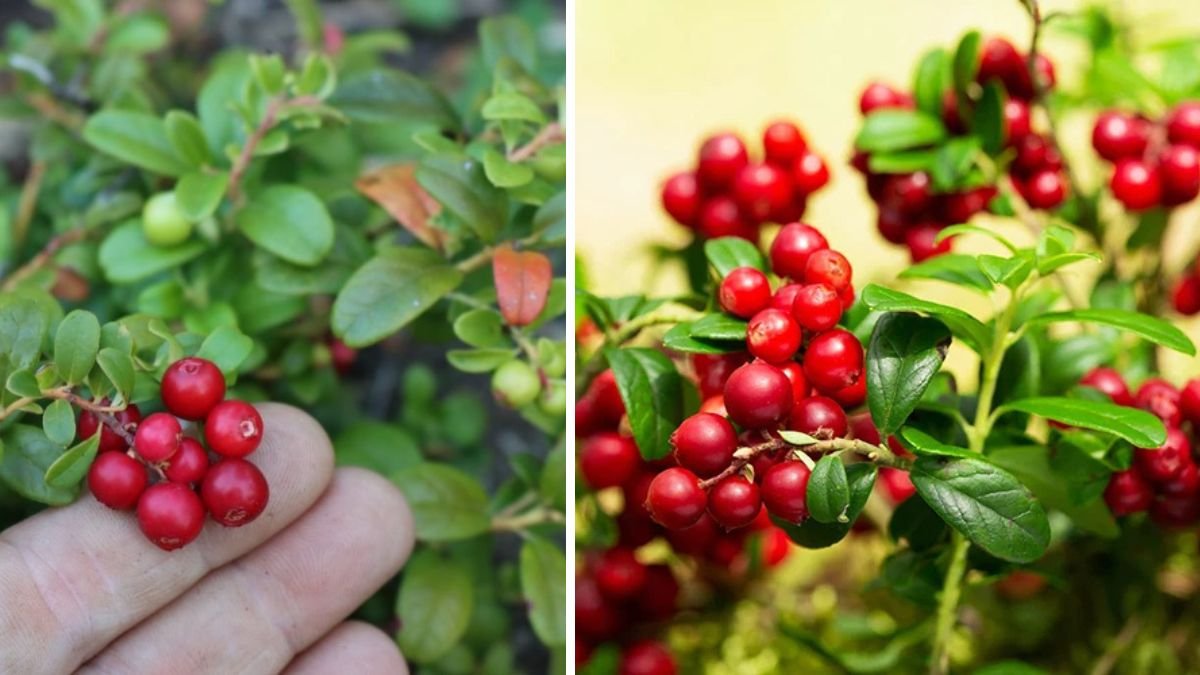

Lingonberries (Vaccinium vitis-idaea) are small, red, tart berries native to the northern regions of Europe and North America. Known for their unique flavor and high nutritional value, they are often used in jams, sauces, and desserts. Cultivating lingonberries in your home garden can be a rewarding experience. This article provides essential tips for successfully growing these delicious berries, along with a FAQs section to help you navigate common queries.
1. Understanding Lingonberries
Lingonberries grow on semi-evergreen shrubs that thrive in acidic soils, making them ideal for gardens in cooler climates. They are closely related to blueberries and cranberries and belong to the Ericaceae family. Their berries are packed with antioxidants, vitamins, and minerals. In addition to their health benefits, lingonberries are resilient plants that can tolerate harsh conditions, including cold temperatures.
2. Choosing the Right Location
Sunlight Requirements
Lingonberries thrive in full sun, requiring at least 6-8 hours of sunlight daily. When selecting a location in your garden, ensure it’s a sunny spot, preferably with some protection from harsh afternoon sun.
Soil Type
Lingonberries prefer acidic soils with a pH of 4.5 to 5.5. Conduct a soil test before planting to determine the pH level and nutrient content. You can amend the soil with peat moss or sulfur to lower the pH if necessary. Well-drained sandy or loamy soils are best for optimal growth.
3. Preparing the Soil
Soil Preparation
Before planting, prepare the soil by removing any weeds and debris. Loosen the soil to a depth of at least 12 inches. Incorporate organic matter, such as compost or well-rotted manure, to improve soil structure and nutrient content.
Drainage Enhancement
Lingonberries require well-drained soil to prevent root rot. If your soil tends to retain water, consider creating raised beds or mounds to improve drainage.
4. Planting Lingonberries
Timing
The best time to plant lingonberries is in early spring or late fall, depending on your region. Avoid planting during hot summer months, as stress from heat can hinder establishment.
Spacing Requirements
Lingonberry plants should be spaced about 18-24 inches apart to allow for adequate air circulation. This spacing helps prevent mildew and other fungal diseases.
Planting Techniques
When planting, dig holes twice the size of the root ball and place the plant in the hole, ensuring that the top of the root ball is level with the soil surface. Backfill with soil and water thoroughly to eliminate air pockets.
5. Care and Maintenance
Watering
Regular watering is essential, especially during the first year of establishment. Lingonberries prefer consistent moisture but do not tolerate soggy conditions. Aim for deep, infrequent watering to encourage root growth.
Fertilizing
Lingonberries do not require heavy fertilization. Use a balanced, slow-release fertilizer formulated for acid-loving plants in early spring. Following package instructions, avoid over-fertilizing, which can harm the plants.
Pruning
Pruning is crucial for maintaining healthy plants and promoting fruit production. In early spring, remove any dead, damaged, or weak branches. Thin out crowded areas to improve air circulation and sunlight penetration.
6. Pest and Disease Management
Common Pests
Lingonberries can be affected by various pests, including aphids, spider mites, and fruit flies. Regular inspections will help detect infestations early. Use insecticidal soap or neem oil as natural remedies to manage pests.
Diseases
Lingonberries can suffer from fungal diseases like powdery mildew and root rot. To reduce the risk, practice good garden hygiene and ensure proper air circulation. If diseases occur, apply fungicides according to the manufacturer’s instructions.
7. Harvesting Lingonberries
Lingonberries typically ripen in late summer to early fall. Harvesting should occur when the berries are bright red and fully ripe, which is when they have the best flavor. Use scissors to cut clusters of fruit, taking care not to damage the plant.
Storage Tips
Freshly harvested lingonberries can be stored in the refrigerator for a week. For longer storage, consider freezing the berries. Spread them out on a baking sheet to freeze individually before transferring them to airtight containers.
8. Making the Most of Your Harvest
Lingonberries are versatile and can be used in various culinary applications. You can make:
- Jams and Jellies: Combine lingonberries with sugar and pectin for delicious spreads.
- Sauces: Cook berries with sugar and lemon juice for a delightful sauce perfect for meats or desserts.
- Baked Goods: Incorporate lingonberries into muffins, cakes, or pies for a tart flavor.
9. Seeking Additional Resources
Consider joining local gardening clubs or online forums to connect with fellow gardeners who have experience in lingonberry cultivation. Books and online tutorials can also provide valuable insights and tips.
FAQs about Lingonberry Cultivation
1. Can I grow lingonberries in containers?
Yes, lingonberries can thrive in containers as long as the container is large enough (at least 5 gallons) and has good drainage. Use acidic potting soil for optimal growth.
2. How long does it take for lingonberries to produce fruit?
Lingonberry plants typically start producing fruit within 3-4 years after planting. Patience is key, as they may take some time to establish fully.
3. Do lingonberries need a pollinator?
Lingonberries are self-pollinating, meaning they can produce fruit without another plant for cross-pollination. However, planting multiple plants can increase yield.
4. What is the best way to protect lingonberries from birds?
To protect your lingonberries from birds, consider using bird netting or visual deterrents like scarecrows. Regular monitoring of the plants also helps you react promptly to any bird issues.
5. Are lingonberries frost-resistant?
Yes, lingonberries are hardy and can tolerate frost. However, a late spring frost can impact flowering. If you are in an area with erratic weather, consider covering the plants on cold nights.
6. Can I grow lingonberries in warm climates?
Lingonberries prefer cooler climates and may struggle in areas with high temperatures. If you live in a warmer region, try to create a microclimate with some shade and ample moisture.
Conclusion
Growing lingonberries in your garden can be both enjoyable and beneficial. By understanding their specific needs—regarding sunlight, soil, watering, and pest management—you can enjoy a bountiful harvest of these delightful berries. Remember to be patient, as it may take a few years for your plants to reach maturity and yield fruit. With the right care and attention, you’ll be on your way to cultivating delicious lingonberries for years to come. Happy gardening!