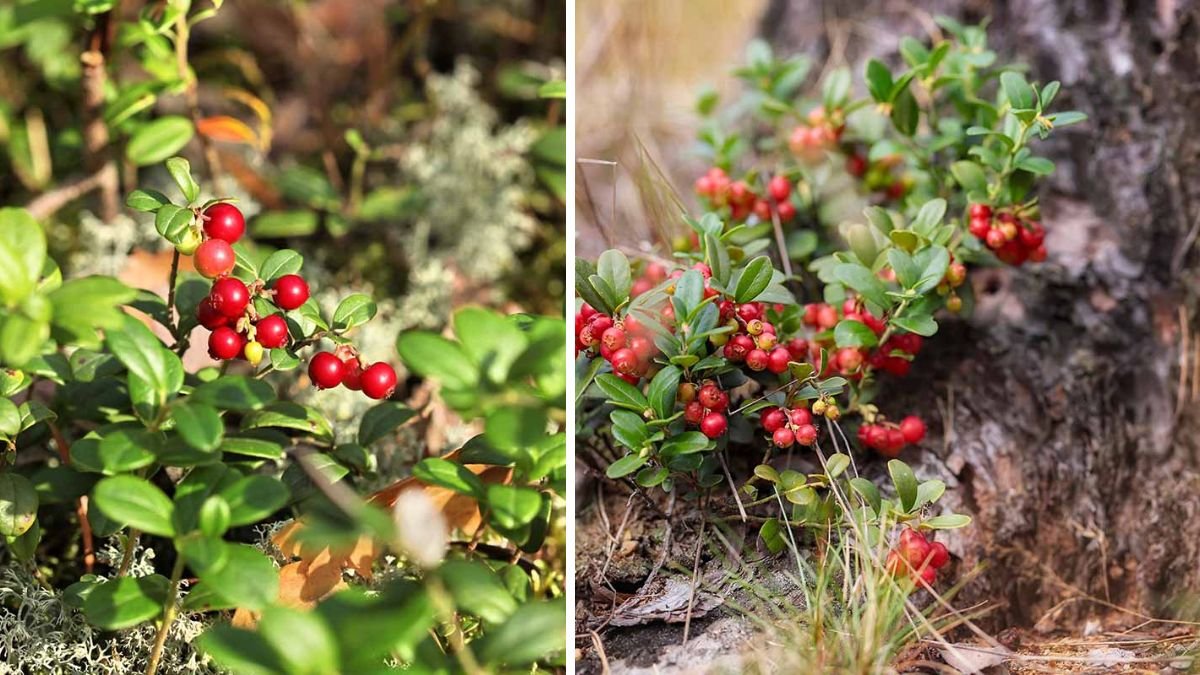

Lingonberries (Vaccinium vitis-idaea) are resilient, evergreen shrubs known for their bright red berries and hardiness in cold climates. They are not only visually appealing but also offer a host of health benefits, making them a valuable addition to any garden. Pruning is a crucial horticultural practice that promotes optimal growth, enhances fruit production, and maintains the overall health of lingonberry bushes. In this article, we will discuss essential tips for effective pruning, the best time to prune, tools you will need, and a comprehensive FAQ section to address common queries.
Understanding Lingonberry Bushes
Before diving into pruning techniques, it is essential to understand the growth habits of lingonberry bushes. These low-growing shrubs typically reach heights of 6 to 12 inches and spread through underground rhizomes, forming dense mats. Their small, leathery leaves and pinkish-white flowers bloom in spring, followed by the prolific red berries in late summer. Lingonberries thrive in acidic soils and prefer partial shade to full sun, making them ideal for various garden settings.
Why Prune Lingonberry Bushes?
Pruning serves multiple purposes for lingonberry bushes:
-
Encouraging Healthier Growth: Regular pruning removes dead, diseased, or damaged branches, helping to prevent the spread of pests and diseases.
-
Improving Air Circulation: Thinning out dense areas allows for better airflow, reducing the risk of fungal infections.
-
Enhancing Fruit Production: Removing older, non-productive stems encourages the growth of new ones that are more likely to bear fruit.
-
Shaping the Bush: Pruning helps maintain a desirable size and shape, making the plants more aesthetically pleasing in your garden.
Best Time to Prune Lingonberry Bushes
Timing is crucial for effective pruning. The optimal time to prune lingonberry bushes is during late winter or early spring, just before new growth begins. This timing helps reduce stress on the plant and minimizes the risk of frost damage to new cuts. If you live in a region with milder winters, you can also consider light pruning in late summer after the harvest to promote healthier growth for the next season.
Essential Pruning Techniques
-
Gather the Right Tools: Quality tools make a difference. You’ll need:
- Pruning shears or bypass pruners
- Loppers for thicker stems
- A handsaw for larger branches
- Gloves for protection
-
Assess Your Bush: Before starting, take a moment to look at your bushes. Identify branches that are:
- Dead or diseased
- Crossing or rubbing against each other
- Old and non-productive
-
Remove Dead or Diseased Wood: Start by pruning out any dead or diseased branches. Look for signs like discoloration, softness, or lack of leaves. Cut these branches back to healthy tissue or remove them completely.
-
Thin Out Overcrowded Areas: If your lingonberry bushes are densely packed, select a few branches to remove to improve airflow and light penetration. Cutting back inner branches can be beneficial, ensuring they do not obstruct surrounding growth.
-
Shape the Bush: If your bushes have become unruly, aim for a balance. Try to maintain a gentle, rounded shape—this not only looks good but also supports even growth.
-
Cutting Techniques:
- Angle Cuts: Always prune at an angle to allow water to run off and to avoid leaving a flat surface that can invite rot.
- Leave Leaf Buds: When cutting back stems, be sure to leave a few leaf buds on each stem. This encourages new growth.
-
Limit Aggressive Pruning: Avoid excessive pruning in a single season, as this can stress the plants. A good rule of thumb is to remove no more than one-third of the bush in any given year.
-
Post-Pruning Care: After pruning, ensure your bushes have adequate water, especially if the weather is dry. Adding mulch can help retain moisture and suppress weeds.
Common Mistakes to Avoid When Pruning Lingonberry Bushes
Understanding common pitfalls can enhance your pruning effectiveness:
-
Pruning at the Wrong Time: Pruning too early in the winter or too late in the spring can damage new shoots or result in poor growth. Stick to the late winter/early spring guideline.
-
Neglecting Regular Maintenance: Lingonberries need regular pruning, not just a one-time cut. Aim to prune annually to keep the bushes healthy and productive.
-
Over-Reliance on Large Cuts: Relying solely on large cuts instead of thorough thinning can create gaps in your bush, leading to a less attractive appearance.
-
Ignoring Pests and Diseases: If you notice signs of pests or diseases, address them immediately before pruning to prevent further spread.
The Benefits of Mulching
After pruning, consider adding a layer of organic mulch around your lingonberry bushes. Mulch helps retain soil moisture, suppress weeds, and add organic matter to the soil as it decomposes. Wood chips, straw, or shredded bark are excellent options.
Fertilization After Pruning
To support new growth after pruning, you may want to apply a balanced, slow-release fertilizer in early spring. Look for formulations designed for acid-loving plants to provide optimal nutrition.
Monitoring Growth
After pruning, pay close attention to your lingonberry bushes. Monitor their growth and health over the coming weeks. Look for new shoots and ensure that the remaining branches are healthy and free from pests.
FAQs
Q1: How often should I prune my lingonberry bushes?
Pruning once a year is generally recommended, preferably in late winter or early spring.
Q2: Can I prune my lingonberry bushes in the fall?
It is best to avoid fall pruning, as new cuts can be susceptible to winter damage. Late winter or early spring is ideal.
Q3: What should I do with the cuttings?
Dispose of diseased wood properly to prevent the spread of disease. Healthy cuttings can be composted.
Q4: How can I tell if my lingonberry bushes are unhealthy?
Signs of unhealthy plants include discoloration of leaves, wilting, slow growth, or a lack of berries.
Q5: Can I use regular garden shears instead of pruning shears?
While you can use regular garden shears, investing in quality pruning shears will make the task easier and reduce damage to the plant.
Q6: Are there any pests or diseases I should be aware of?
Common threats to lingonberries include aphids and various fungal diseases. Regular monitoring and good garden hygiene can help prevent these issues.
Q7: How long does it take for new growth to appear after pruning?
New growth typically appears within a few weeks to a month, depending on weather conditions and overall plant health.
Conclusion
Pruning lingonberry bushes is essential for maintaining their health and optimizing fruit production. By following the outlined techniques and strategies, you can ensure your bushes remain vibrant and productive for years to come. Regular maintenance, careful observation, and proper timing will yield the best results, allowing you to enjoy the delicious fruits of your labor. Happy gardening!