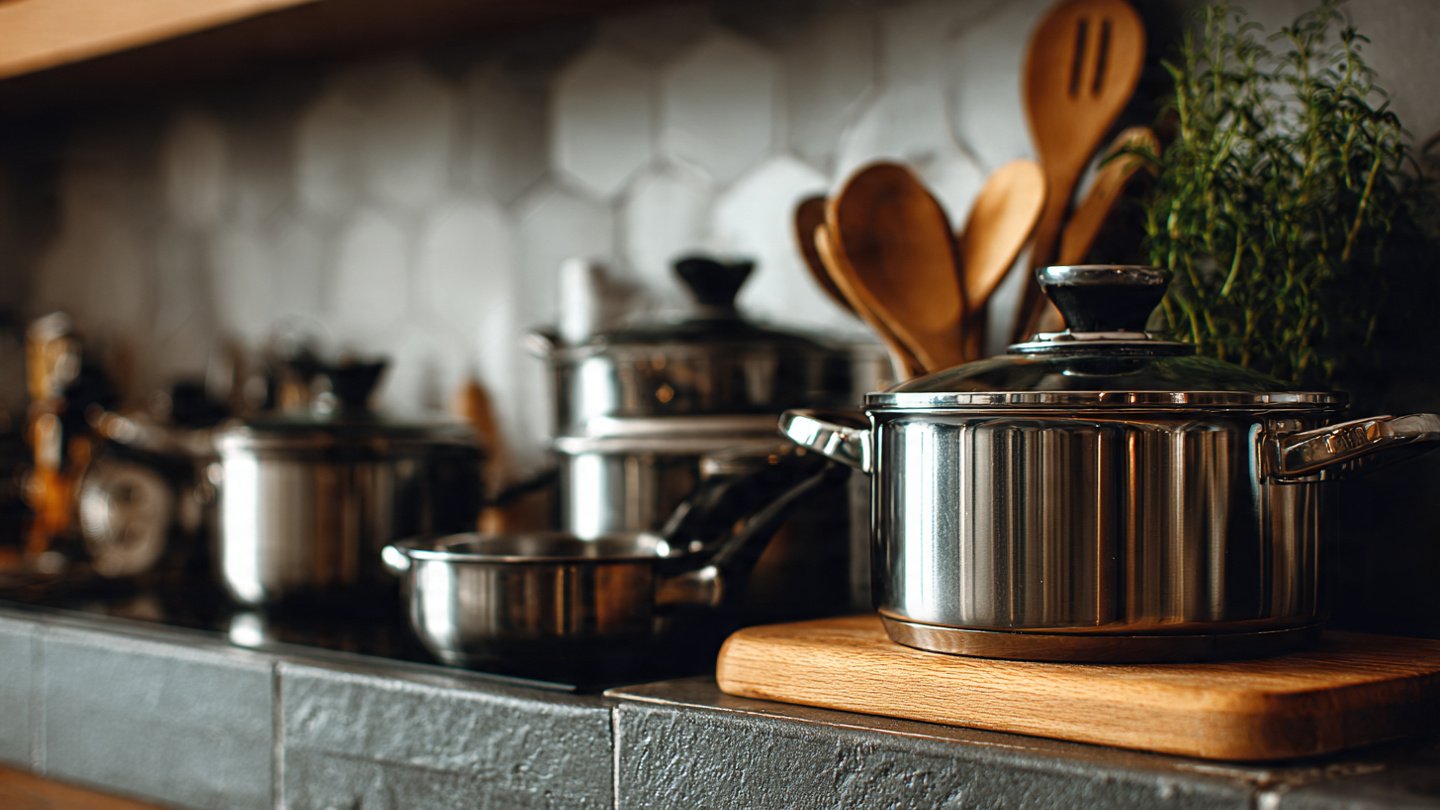

Effects of Prolonged Moisture on Cooking Utensils and Kitchen Hygiene
Introduction
In any culinary environment, whether it’s a professional kitchen or a home cook’s haven, the tools used for food preparation play a crucial role. Cooking utensils, including pots, pans, knives, and utensils, significantly impact the cooking process. However, prolonged exposure to moisture can have detrimental effects on these tools as well as overall kitchen hygiene. This article explores the multiple dimensions through which moisture influences cooking utensils and kitchen cleanliness, shedding light on material degradation, bacterial growth, and maintenance practices.
The Relationship Between Moisture and Cooking Utensils
Cooking utensils come in various materials—wood, metal, plastic, glass, and ceramic—each reacting differently to moisture. Recognizing these differences is key to understanding the potential effects of prolonged moisture exposure.
1. Wood Utensils
Wooden utensils are prized for their aesthetic appeal and functionality. However, they are particularly susceptible to moisture-related problems:
-
Warpage and Cracking: When wooden utensils are exposed to prolonged moisture, they can swell and warp. This not only affects their effectiveness but can also lead to cracks where bacteria can hide.
-
Fungal Growth: Moist environments can encourage the growth of mold and fungi on wood. This contamination can compromise food safety if these utensils are not properly cleaned and dried.
-
Odors and Staining: Prolonged moisture can also cause lingering odors and stains, which can be unpleasant and hard to remove.
2. Metal Utensils
Metal utensils, often made from stainless steel, aluminum, or cast iron, generally resist moisture better than wood but are not completely immune:
-
Rust Formation: Stainless steel is resistant to rust, but prolonged exposure to moisture—especially in the presence of salt or acidic foods—can lead to corrosion over time.
-
Pitting and Surface Damage: Aluminum can corrode when exposed to moisture, particularly when combined with acidic foods. This corrosion weakens the utensil’s integrity and could leach harmful substances into food.
-
Bacterial Growth: While metals are generally easier to clean, any moisture left on the surface can still harbor bacteria if not properly dried.
3. Plastic Utensils
Plastic utensils are lightweight and inexpensive but often face unique challenges with moisture:
-
Warping and Melting: Some plastics can warp if left in a damp environment or subjected to high temperatures.
-
Bacterial Growth: Certain types of plastic can harbor bacteria if scratched, providing microenvironments for microorganisms to thrive, especially when kept moist.
-
Chemical Leaching: Prolonged moisture combined with heat can cause chemicals in some plastics to leach into food, posing health risks.
4. Glass and Ceramic Utensils
Glass and ceramic are generally more resistant to moisture but are not flawless:
-
Chipping and Cracking: While resistant to bacteria, glass can chip or crack when exposed to sudden temperature changes, which may occur through frequent washing and drying cycles.
-
Staining: Ceramic can stain from food residue, especially if wet, leading to unsightly utensils that may require more intensive cleaning.
Implication for Kitchen Hygiene
The state of cooking utensils directly impacts kitchen hygiene. Prolonged moisture creates an environment ripe for the growth of harmful bacteria, influencing both health risks and food safety.
1. Bacterial Growth
Moisture is a critical factor in bacterial survival and proliferation. Bacteria thrive in warm, moist conditions, and utensils left damp after use can become breeding grounds for pathogens such as E. coli, Salmonella, and Listeria.
-
Biofilm Formation: Bacteria can form biofilms on surfaces of utensils, making them harder to eliminate through regular washing. This film requires more intensive cleaning strategies to dismantle fully.
-
Cross-Contamination Risks: Using moist utensils across different food types (e.g., raw meat and vegetables) can easily lead to cross-contamination, which is a significant food safety concern.
2. Odor and Spoilage
Beyond bacterial growth, the presence of moisture can contribute to unpleasant odors and food spoilage within the kitchen environment. Utensils that absorb moisture can retain food particles and odors, contributing to an unclean atmosphere.
- Unpleasant Cooking Experience: Cooking with utensils that harbor such residue can impact the flavor and smell of food, detracting from the overall cooking experience.
Maintenance Practices to Mitigate Moisture Effects
To preserve the integrity of cooking utensils and maintain kitchen hygiene, effective maintenance practices are crucial. Here are some strategies:
1. Proper Cleaning Techniques
-
Immediate Cleaning: Clean utensils immediately after use to avoid moisture retention. Use hot, soapy water or a dishwasher when applicable.
-
Dry Thoroughly: After cleaning, ensure that utensils are thoroughly dried before storing them. A drying rack can be beneficial, allowing for proper air circulation.
2. Regular Inspection
-
Check for Damage: Periodically inspect utensils for signs of wear, warping, or bacterial growth. Replace any that are damaged or difficult to clean properly.
-
Sanitization: Implement routine sanitization practices. A solution of vinegar or a mild bleach solution can help remove stubborn bacteria from utensils.
3. Proper Storage
-
Ventilation: Store utensils in a well-ventilated area to minimize moisture retention. Avoid closed cabinets where humidity can accumulate.
-
Material-Specific Storage: Consider the material of the utensil when deciding on storage. Wooden utensils may need to be oiled periodically, while metal utensils should be stored dry to avoid rust.
Conclusion
Understanding the effects of prolonged moisture on cooking utensils is essential for maintaining both the quality of kitchen tools and the overall hygiene of cooking spaces. Each type of material in utensils reacts differently to moisture, leading to various challenges that can compromise both their integrity and kitchen hygiene. By implementing effective maintenance practices such as immediate cleaning, proper drying, and routine inspections, cooks can safeguard their equipment and ensure safer, healthier food preparation. Ultimately, a well-maintained kitchen is vital for not only enhancing the cooking experience but also for preserving the health and well-being of all who use it.