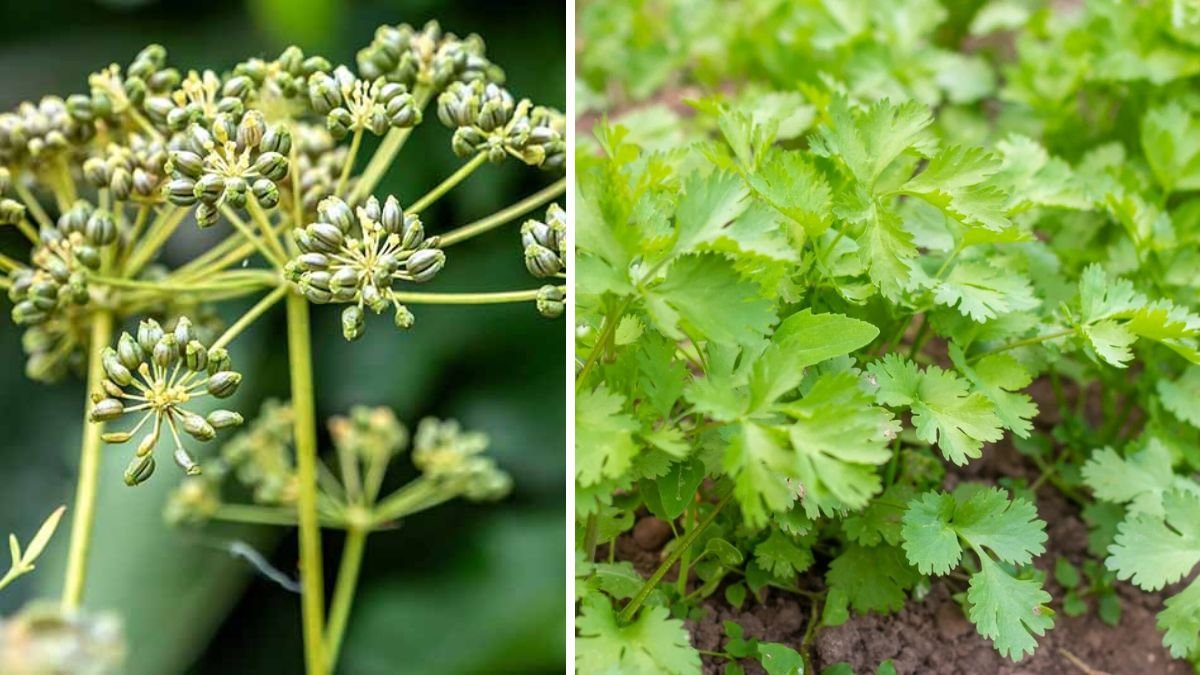

Gardening provides a wonderful avenue for nurturing fresh herbs, and one of the most essential culinary herbs is parsley. This aromatic herb not only elevates flavors in dishes but also brings numerous health benefits. Growing parsley from seeds can be a rewarding experience for both novice and seasoned gardeners. Below, we’ll outline the steps to successfully germinate parsley seeds in your garden, ensuring a bountiful harvest for your culinary endeavors.
1. Understanding Parsley Types
Before you dive into the germination process, it’s essential to know the different types of parsley. There are three primary varieties:
- Flat-leaf Parsley: Also known as Italian parsley, it has a robust flavor and is favored in culinary dishes.
- Curly-leaf Parsley: This type is often used as a garnish due to its decorative appearance. While it has a milder flavor, it’s also popular in cooking.
- Root Parsley: Known for its edible root, this variety is less commonly grown but can add a unique flavor to dishes.
2. Preparing for Germination
2.1. Choosing the Right Time
The ideal time to plant parsley seeds is in early spring or late summer. Parsley is a biennial plant, meaning it completes its life cycle in two years; however, it’s typically grown as an annual to enjoy its leaves within one season.
2.2. Selecting a Location
Parsley thrives in full sun to partial shade. Choose a location in your garden where the seeds will receive at least 6 hours of sunlight daily. Well-draining soil with a pH level ranging from 6.0 to 7.0 is ideal.
2.3. Soil Preparation
Prepare your garden bed by loosening the soil to a depth of about 12 inches, removing any weeds, and mixing in compost or well-rotted manure to enhance nutrient availability. This step ensures your parsley receives proper drainage and nutrients essential for germination.
3. Germinating Parsley Seeds
3.1. Seed Preparation
Parsley seeds have a hard outer shell and can benefit from a process called “stratification.” This mimics winter conditions and speeds up germination. Soak the seeds in water overnight to help soften the seed coat. For best results, you can also place them in a moist paper towel and refrigerate them for 2-3 weeks before planting.
3.2. Sowing the Seeds
-
Direct Sowing: Once you have prepared your seeds, it’s time to sow them directly into the soil. Create furrows about ¼ inch deep and space the seeds approximately 12 inches apart.
-
Covering the Seeds: Lightly cover the seeds with soil and gently firm down the soil to ensure good seed-to-soil contact. Avoid burying the seeds too deeply, as this can hinder their ability to germinate.
3.3. Watering
After planting, water the area gently but thoroughly to ensure the soil is evenly moist. Avoid overwatering, as soggy soil can lead to seed rot. Keep the soil consistently moist until the seeds germinate, which usually takes 2 to 6 weeks.
4. Caring for Germinated Parsley
4.1. Thinning Seedlings
Once the seedlings have sprouted and reached about 2 inches in height, thin them to allow adequate space for growth. Ideally, you should leave about 6 to 8 inches between the plants, which helps promote better airflow and reduces the risk of disease.
4.2. Maintaining Soil Moisture
As the plants grow, continue watering regularly to keep the soil consistently moist but not soggy. Consider using a mulch layer around the plants to retain soil moisture and suppress weeds.
4.3. Fertilizing
Although parsley doesn’t require heavy fertilization, applying a balanced, slow-release fertilizer every four to six weeks can help boost growth. Be careful not to over-fertilize, as this can lead to excessive leaf growth with less flavor.
4.4. Pest and Disease Management
Parsley is relatively resistant to pests, but keep an eye out for aphids, caterpillars, and other common garden pests. Handpick any pests you find or use insecticidal soap if infestations occur. Rotating parsley and using companion planting (like planting with tomatoes or carrots) can help deter pests naturally.
5. Harvesting and Utilizing Your Parsley
5.1. When to Harvest
You can begin harvesting parsley once it reaches about 6 to 8 inches tall. Always use clean scissors or garden shears to snip the outer leaves or stems, allowing the inner growth to continue thriving.
5.2. Culinary Uses
Fresh parsley can be used in a variety of culinary applications, including:
- Garnishing: Use curly-leaf parsley for a beautiful garnish on soups, stews, and main dishes.
- Flavoring: Incorporate flat-leaf parsley into salads, sauces, and marinades for a fresh burst of flavor.
- Enhancing Dishes: Add parsley to omelets, pastas, and grains for added nutrition.
5.3. Storing Parsley
For short-term storage, wrap the fresh parsley in a damp paper towel, place it in a plastic bag, and store it in the refrigerator. For longer-term options, consider freezing parsley. Chop it and mix it with a little olive oil, then store it in ice cube trays for convenient use later.
FAQs
Q1: How long does it take for parsley seeds to germinate?
A1: Parsley seeds typically take 2 to 6 weeks to germinate, depending on the conditions.
Q2: Can I grow parsley indoors?
A2: Yes, parsley can be successfully grown indoors in pots. Ensure they receive sufficient sunlight, or use grow lights.
Q3: Why is my parsley not germinating?
A3: Causes may include insufficient moisture, extreme temperatures, or old seeds. Make sure to keep the soil moist and maintain a temperature of around 70°F (21°C).
Q4: How often should I water parsley?
A4: Water parsley regularly to keep the soil moist but not soggy. During hot, dry weather, you may need to water more frequently.
Q5: Is parsley a perennial or an annual plant?
A5: Parsley is a biennial plant, but it is commonly grown as an annual in gardens to enjoy its leaves in a single growing season.
Conclusion
Germinating parsley seeds in your garden is a straightforward process that can yield a plethora of aromatic and flavorful herbs for your culinary needs. By following the steps outlined above— from preparation to care and harvesting—you’ll not only enhance your garden but also elevate your cooking. Whether you’re garnishing dishes, incorporating it into salads, or creating flavorful sauces, fresh parsley is sure to add a delightful touch to your meals. Happy gardening!