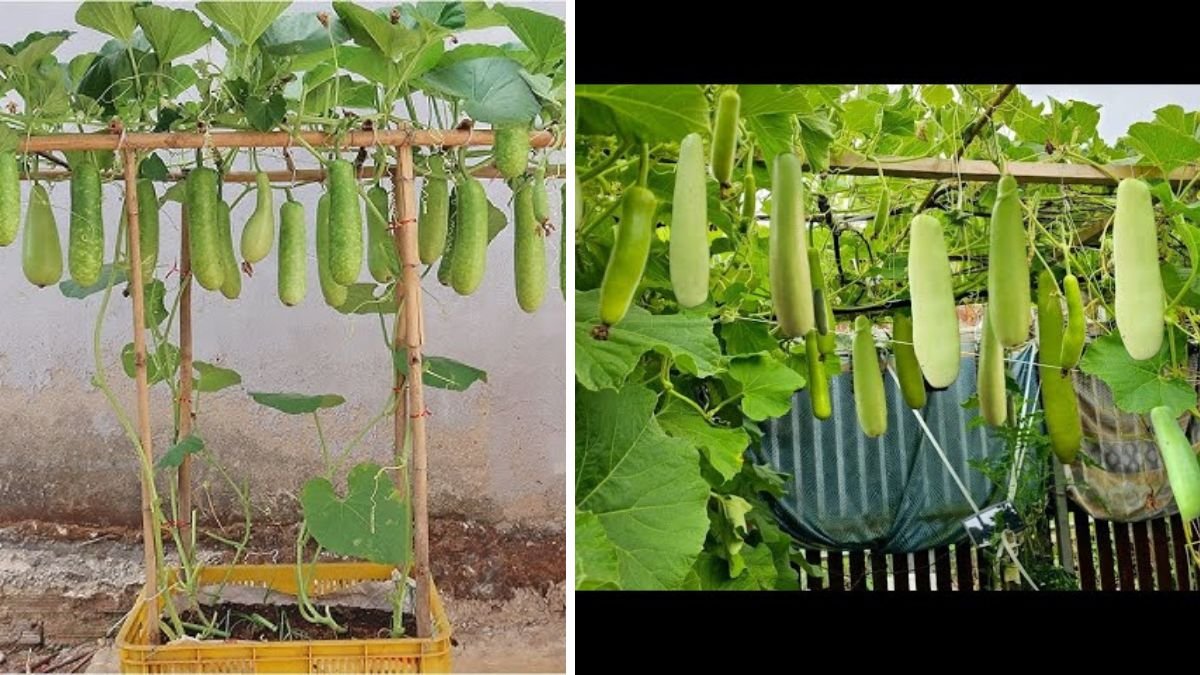

Bottle gourd, scientifically known as Lagenaria siceraria, is a versatile vegetable appreciated for its culinary uses and nutritional value. Compact varieties, in particular, are ideal for home gardeners with limited space. These smaller, bushy plants yield fruits without requiring extensive trellising or sprawling vines. This article will guide you through easy methods to grow compact bottle gourd at home, covering everything from selecting seeds to post-harvest tips. We’ll also address some frequently asked questions to help you succeed in your gardening endeavors.
Understanding Bottle Gourd
Before diving into the growing process, it’s essential to understand why bottle gourd is cherished as a home garden staple. High in water content and low in calories, bottle gourd is an excellent source of vitamins B and C, potassium, and dietary fiber. It can be prepared in various ways, including soups, stir-fries, and smoothies.
Benefits of Growing Compact Bottle Gourd
- Space Efficiency: Compact varieties require less space compared to traditional ones.
- Fast Growth: They generally mature quickly, making them ideal for multiple cropping cycles in a growing season.
- Low Maintenance: With fewer sprawling vines, they’re easier to manage and require less vigilance against pests.
Selecting the Right Varieties
When choosing seeds for compact bottle gourd, it’s crucial to select high-quality, disease-resistant varieties. Some recommended compact varieties include:
- Bush Bottle Gourd: Known for its bushy growth, it requires minimal support and produces medium-sized gourds.
- Dwarf Bottle Gourd: Ideal for container gardening, this variety bears small fruits in abundance.
Where to Buy Seeds
Seeds can be found in local nurseries, gardening stores, or online gardening retailers. Always check for fresh seeds and read reviews to ensure quality.
Planning Your Garden
Location
Select a sunny spot in your garden or balcony, as bottle gourd thrives in full sunlight. Ideally, the plant should receive 6 to 8 hours of direct sunlight daily.
Soil Preparation
Bottle gourd prefers well-draining, fertile soil with a pH level between 6.0 to 7.0. Here’s how to prepare your soil:
- Soil Testing: Use a soil test kit to determine pH and nutrient levels.
- Amending the Soil: If your soil is too acidic or alkaline, add lime or sulfur to adjust the pH accordingly.
- Adding Nutrients: Mix in plenty of compost or well-rotted manure to enrich the soil with essential nutrients.
Planting
When to Plant
Bottle gourd is a warm-season crop and is typically planted in the spring or early summer when the soil temperature is above 70°F (21°C).
Sowing Seeds
- Direct Sowing: Sow the seeds directly in the garden bed at a depth of about 1 inch (2.5 cm), spacing them about 12 to 18 inches (30-45 cm) apart.
- Container Planting: If you’re using pots, ensure each pot is at least 12 inches (30 cm) deep and wide. Plant 2-3 seeds per pot and thin to the healthiest one after germination.
Germination
Seeds usually germinate within 7 to 14 days under favorable conditions. Ensure that the soil remains consistently moist but not waterlogged during this period.
Caring for Your Plants
Watering
Bottle gourd requires consistent moisture, especially during flowering and fruit development. Here’s how to manage watering:
- Daily Check: Check the soil daily, especially on hot days.
- Deep Watering: Water deeply once or twice a week to encourage deep root growth.
Fertilization
Feeding your plants is crucial for healthy growth. Here’s a simple fertilization schedule:
- Initial Fertilization: Apply a balanced fertilizer (NPK 10-10-10) at planting time.
- Weekly Feeding: Use a liquid fertilizer high in potassium once a week during the growing season to encourage flowering and fruiting.
Pruning and Training
While compact varieties need less support, some pruning may still be necessary to promote air circulation and reduce disease risks:
- Pinching Back: Pinch back the tips of the main stem to encourage bushier growth.
- Removing Dead Leaves: Regularly remove any dead or yellowing leaves to keep your plant healthy.
Pest and Disease Management
Common pests such as aphids, spider mites, and whiteflies can occasionally invade your bottle gourd plants. Regularly inspect your plants and take action as needed:
- Natural Remedies: Use insecticidal soap or neem oil to treat infestations.
- Companion Planting: Planting marigolds nearby can repel some pests.
Harvesting
Bottle gourds are ready for harvest when they reach a size of about 6-10 inches (15-25 cm) and are still young. A simple test to check for maturity involves gently tapping the gourd; if it sounds hollow, it’s ripe for picking.
- Use a sharp knife or pruning shears to cut the gourd from the vine, leaving a short piece of stem attached.
- Always wear gloves to prevent skin irritation from the plant’s sap.
Post-Harvest Care
After harvesting, bottle gourds can be stored for several weeks if kept in a cool, dry place. Ensure they are unblemished and dry before storage to extend shelf life.
Recipes and Usage
Bottle gourd can be enjoyed in various dishes, such as:
- Bottle Gourd Soup: Blend cooked bottle gourd with spices and seasonings for a refreshing soup.
- Stir-Fried Gourd: Cook with onions, tomatoes, and spices for a flavorful side dish.
FAQs
1. How long does it take for bottle gourd to grow?
Compact bottle gourds typically take about 60 to 90 days from sowing to harvest, depending on weather conditions and care.
2. Can bottle gourd be grown in pots?
Yes! Compact varieties are well-suited for container gardening. Just ensure that the pot is large enough (at least 12 inches deep) for healthy growth.
3. What is the best fertilizer for bottle gourd?
A balanced NPK fertilizer (10-10-10) works well, along with additional potassium during fruiting to enhance yield.
4. How can I identify if my bottle gourd plant is diseased?
Common signs of disease include yellowing leaves, wilting, spots, and stunted growth. Act quickly by removing affected parts and treating with suitable organic pesticides.
5. Can I grow bottle gourd in partial shade?
While bottle gourd can tolerate some shade, full sunlight is ideal for optimal growth and fruit production.
6. What pests are most common with bottle gourd?
Aphids, spider mites, and whiteflies are common pests affecting bottle gourd. Regular inspection and natural remedies can help manage these pests.
7. How can I store harvested bottle gourd?
Store them in a cool, dry place away from direct sunlight. They can last several weeks under the right conditions.
Conclusion
With the right knowledge and care, growing a compact variety of bottle gourd at home can be a fulfilling and productive endeavor. Not only do you get to enjoy fresh, nutritious produce, but you also have the satisfaction of nurturing your plants from seed to harvest. Now, armed with effective methods and answers to common questions, you are ready to start your bottle gourd gardening adventure! Happy gardening!