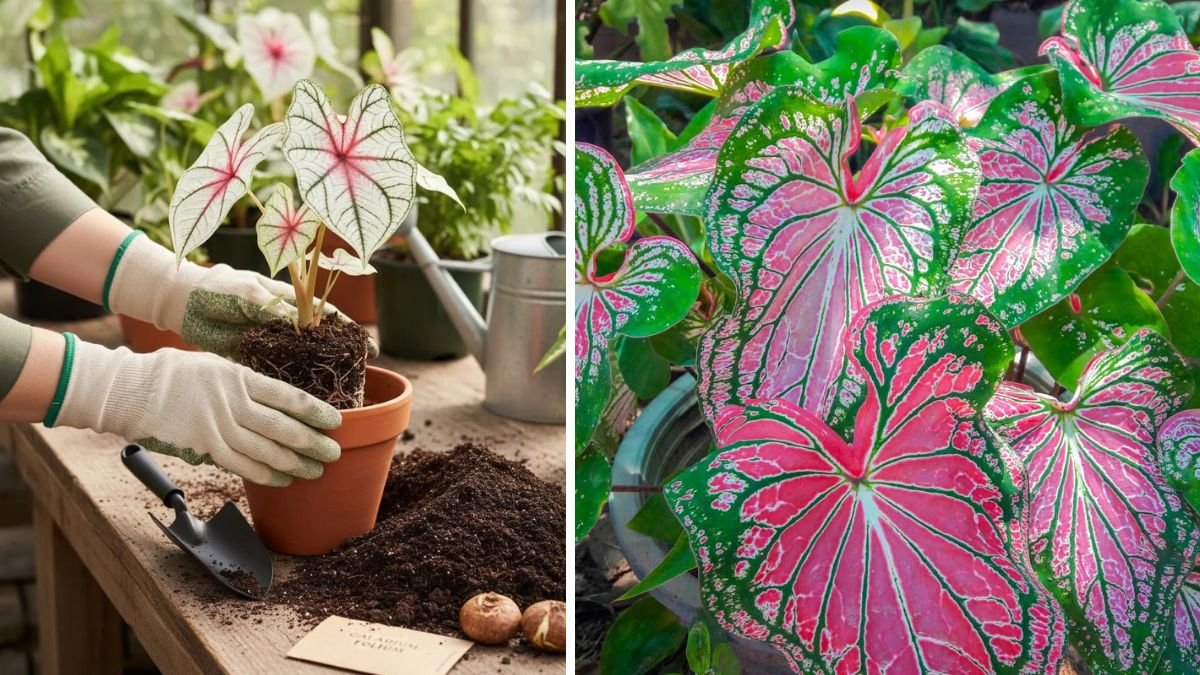

Caladiums, known for their striking heart-shaped leaves and vibrant colors, are a stunning choice for improving the aesthetic appeal of gardens and landscapes. They thrive in shady areas, making them perfect for bringing life to darker spaces. This article will guide you through the easy methods for growing Caladium color blocks, ensuring your outdoor display is buzzing with vibrancy.
Understanding Caladiums
Origin and Characteristics
Caladiums, native to South America, are also known as elephant ears due to their large, distinct leaves. They are part of the Araceae family and come in various colors and patterns. The leaves can be solid green, white, pink, red, and multicolored, making them an attractive addition to any garden.
Types of Caladiums
There are two main types of Caladiums:
- Fancy-leafed Caladiums – These have large, arrow-shaped leaves with variegated patterns.
- Lobelii Caladiums – Smaller and more compact, these are often used for edging or smaller spaces.
Choosing the Right Location
Caladiums thrive in partial shade to full shade, making them suitable for under trees, along walkways, or in garden beds that receive filtered sunlight. They do not do well in direct sunlight, which can scorch their leaves.
Soil Requirements
Caladiums prefer well-draining soil rich in organic matter. A pH level between 5.5 and 6.5 is ideal. You can improve your garden soil by mixing in well-rotted compost, peat moss, or leaf mold.
Planting Caladiums
Timing
In most regions, plant Caladium tubers after the last frost date in spring when temperatures consistently stay above 60°F (15°C). This ensures that they have the best chance of thriving.
Selecting Tubers
Choose healthy, plump tubers for planting. Look for tubers that have a firm texture and are free of mold or soft spots. The size and variety you select will dictate the visual outcome of your color blocks.
Planting Procedure
- Soil Preparation: Loosen the soil and amend with compost to enhance drainage and nutrient content.
- Planting Depth: Dig holes that are about 2-4 inches deep. Space tubers approximately 12-18 inches apart to allow for their spread.
- Orientation: Place the tubers in the holes with the “eyes” facing upward, as this is where the leaves will emerge.
- Covering: Add soil and gently pat around the tubers. Water the area thoroughly after planting.
Watering and Care
Watering
Caladiums require consistent moisture but do not tolerate soggy conditions. Water them lightly after planting, then allow the top inch of soil to dry before watering again. During dry spells, increase watering frequency, ensuring they receive enough moisture to flourish.
Fertilizing
A balanced, slow-release fertilizer applied in spring can provide the necessary nutrients for healthy growth. Fertilize every 4-6 weeks during the growing season with a diluted liquid fertilizer to enhance vibrancy.
Pest and Disease Management
Be on the lookout for common pests such as aphids, spider mites, and mealybugs. You can control these pests with insecticidal soap or neem oil. Monitor for fungal diseases and ensure good air circulation around plants to prevent issues.
Creating Color Blocks
Design Considerations
Creating Caladium color blocks can elevate your outdoor space. Here’s how to design stunning displays:
- Select Colors: Choose combinations that contrast and complement each other. For instance, pairing red and green leaves creates a vibrant impact, while soft pinks and creams offer a more serene appearance.
- Layering: Vary the height by mixing Caladiums with other plants. Tall varieties can be placed at the back of beds, while shorter ones can be positioned at the front, creating depth.
- Patterns: Consider planting in clusters or symmetrical patterns to give a more structured look.
Seasonal Rotation
Consider changing your display seasonally. Planting different Caladium varieties each year can create new and exciting visual interest. Mix in seasonal flowers or foliage during other times of the year for a continuously engaging display.
Troubleshooting Common Problems
Yellowing Leaves
If the leaves start to yellow, it could be a sign of overwatering or nutrient deficiency. Check the soil moisture and adjust watering accordingly. Consider administering a balanced fertilizer if you suspect low nutrients.
Wilting
Wilting leaves often indicate underwatering. Ensure that the soil remains consistently moist without becoming waterlogged. Adjust your watering schedule based on the weather conditions.
Sluggish Growth
If your Caladiums seem stagnant, they may require more nutrients, or their environment might be too cold. Ensure that they’re planted in an appropriate location with good soil and ample water.
Harvesting Caladiums
Caladiums are typically grown as annuals in temperate climates, but they can be dug up and stored for replanting if you live in warmer regions. Here’s how to harvest:
- After First Frost: Once the leaves start to fade, it’s the right time to lift the tubers.
- Cleaning: Remove excess soil and allow them to dry in a shaded area for several days.
- Storage: Store tubers in a cool, dry place. Wrap them in newspaper to protect them during their dormancy.
FAQs
Q1: How much sunlight do Caladiums need?
A1: Caladiums thrive best in partial to full shade. Direct sunlight can scorch their leaves.
Q2: When do Caladiums bloom?
A2: Caladiums are primarily grown for their foliage, not flowers. However, they may produce small flowers if left unpruned.
Q3: Can Caladiums grow in pots?
A3: Yes, Caladiums can thrive in pots. Choose a large container with drainage holes to promote healthy growth.
Q4: How do I keep Caladiums looking vibrant throughout the summer?
A4: Regular watering, fertilization, and removal of yellow or damaged leaves will help keep your Caladiums healthy and vibrant.
Q5: Can I grow Caladiums indoors?
A5: While Caladiums prefer outdoor conditions, they can be grown indoors with adequate light. Providing bright, filtered light and maintaining humidity will help them thrive.
Q6: What are some companion plants for Caladiums?
A6: Consider pairing Caladiums with ferns, hostas, and impatiens for a beautiful, contrasting display.
Conclusion
Growing Caladium color blocks is an easy and rewarding way to enhance your outdoor space. With their vibrant colors and unique leaf shapes, Caladiums can bring a lively atmosphere to shaded areas in your garden. By following the steps outlined in this guide — selecting the right location, proper planting techniques, meticulous care, and creative design — you can create a stunning visual display that changes with the seasons. With a little effort and creativity, your outdoor area can be transformed into a vibrant paradise filled with the stunning hues of Caladiums. Happy gardening!