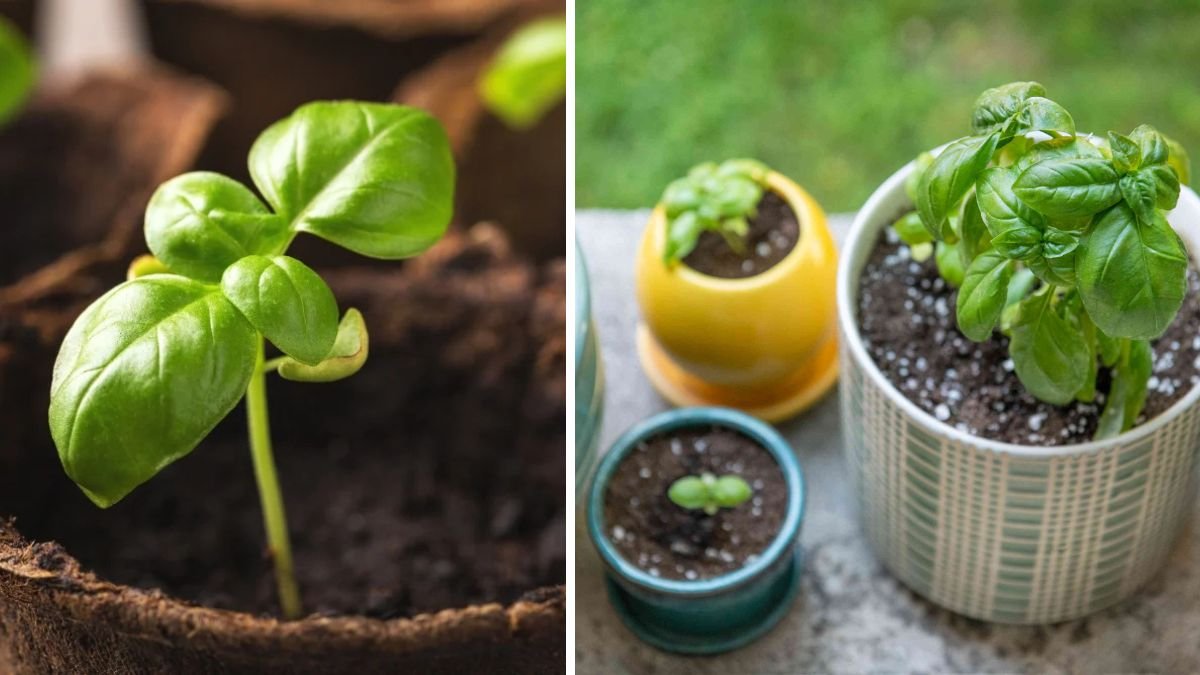

Basil is one of the most popular herbs in the culinary world, prized for its aromatic leaves and ability to elevate countless dishes, from fresh salads to creamy pastas. Its delicate flavor and fragrance can easily be unlocked by growing your own right at home—even in small pots! If you’re looking to start your urban herb garden without requiring a sprawling backyard, here are some easy hacks for thriving basil in small pots.
1. Choosing the Right Pot
The first step to a successful basil plant is selecting the right pot. While basil can thrive in various containers, here are some guidelines to follow:
-
Size Matters: A pot with a diameter of at least 6-8 inches is ideal for a single basil plant. If you’re planning on growing multiple plants, choose larger containers.
-
Drainage: Ensure that your pot has appropriate drainage holes. Excess moisture can lead to root rot, a common issue with basil.
-
Material: Terracotta pots are great because they allow for air circulation and moisture control. However, lightweight plastic pots can also be used, provided they have drainage holes.
2. The Perfect Soil Mix
Basil thrives in well-draining, nutrient-rich soil. Create your own potting mix by combining:
- Potting Soil: Use organic potting soil as a base.
- Perlite or Vermiculite: Add these amendments to improve drainage and aeration.
- Compost: Mix in some compost for extra nutrients. Compost not only enriches the soil but also helps maintain moisture without over-saturating.
3. Optimal Sunlight Exposure
Basil loves sunlight—typically requiring 6 to 8 hours of direct sunlight each day. Here’s how to ensure your basil receives adequate light:
-
Placement: If growing indoors, place the pot near a south-facing window. For outdoor growers, a spot with plenty of sun exposure will work wonders.
-
Rotate: If you’re growing your basil indoors, remember to rotate the pot every few days so that all sides receive equal sunlight exposure.
-
Consider Grow Lights: If natural light is limited in winter or during cloudy days, fluorescent or LED grow lights can supplement daylight hours effectively.
4. Watering Wisely
Too much or too little water can jeopardize your basil plants. Here are some watering tips to promote healthy growth:
-
Soak and Drain: Water the plant until water drains out of the holes at the bottom of the pot. This ensures that oxygen reaches the roots.
-
Frequency: Check the soil moisture daily; you should water when the top inch feels dry to the touch. Generally, basil likes to be slightly moist but never saturated.
-
Time Matters: Water your basil in the morning or early evening to minimize evaporation and allow the plant to absorb moisture throughout the day.
5. Feeding Your Basil
Basil is a voracious feeder and benefits from regular fertilization. Here’s how to keep it well-nourished:
-
Organic Fertilizer: Use a balanced organic fertilizer every 4-6 weeks. A 10-10-10 NPK ratio works well. Make sure to dilute liquid fertilizers as per instructions.
-
Natural Amendments: Fish emulsion or seaweed extract can provide a nutrient boost. These options are gentle and help promote healthy growth without the risk of burning your plants.
6. Pruning for Growth
Regular pruning encourages bushy growth and prevents your basil from becoming leggy. Here’s how to do it effectively:
-
Timing: Start pruning when your basil plant reaches about 6 inches in height, typically around 6 weeks after sowing the seeds.
-
Technique: Use clean, sharp scissors to cut just above a set of leaves. This stimulates new growth, leading to a fuller plant.
-
Remove Flowers: If you see flower buds forming, pinch them off. This redirects the plant’s energy into leaf production rather than seeding.
7. Pest Management
Basil, while generally resilient, can be susceptible to pests like aphids, spider mites, and whiteflies. Here’s how to keep your plants pest-free:
-
Inspect Regularly: Check the undersides of leaves for pests or discoloration regularly.
-
Natural Repellents: Insecticidal soap or neem oil can be effective against common pests. Simply spray your plants with a diluted solution as directed.
-
Companion Planting: Consider growing basil alongside plants like marigolds or garlic, which can help deter pests naturally.
8. Propagation for Abundance
One of the best perks of growing basil is how easily it can be propagated. Follow these steps to create more plants from your existing basil:
-
Cuttings: Take a 4-6 inch cutting from a healthy basil stalk. Remove the bottom leaves and place the cutting in a glass of water, ensuring the cut end is submerged.
-
Roots: After a week or two, roots will develop. Transfer the cutting to a small pot filled with moistened potting mix.
-
Care: Treat the new plant as you would an adult basil, providing sunlight, water, and nutrients.
9. Harvesting
Properly harvesting basil can encourage more growth while giving you a delicious yield. Here’s how to do it right:
-
Timing: Wait until the plant has several pairs of leaves before harvesting. This usually takes about two months.
-
Harvesting Technique: Always pick leaves from the top of the plant. This encourages bushier growth.
-
Frequency: Regularly harvesting helps the plant to produce more leaves. Aim for a trim every week or two.
10. Seasonal Considerations
Basil is sensitive to frost and cold temperatures. Here’s how to ensure your basil thrives year-round:
-
Indoors During Winter: If you live in a colder climate, bring your basil inside before the frost hits. Ensure it continues to receive ample sunlight.
-
Outdoor Care: If growing outdoors, consider using row covers or cloches to protect your basil from unexpected temperature drops.
-
Timing Planting: Spring is the best time to plant basil outdoors, as it flourishes in warm conditions.
FAQs
1. How often should I water my basil?
Water your basil when the top inch of soil feels dry to the touch. Typically, this means watering every few days, but it can vary based on climate and pot size.
2. Can basil grow indoors?
Yes! Basil can thrive indoors if provided with enough sunlight (at least 6 hours) and regular care. Consider using grow lights if natural light is limited.
3. What types of basil can I grow in small pots?
Common varieties include Sweet Basil, Thai Basil, and Genovese Basil. Each type has unique flavors, making them great additions to your herb garden.
4. How do I know if my basil is getting too much sunlight?
Brown or scorched edges on the leaves indicate that your basil may be getting too much sun. If you notice this, consider moving them to a spot with filtered light.
5. How can I prevent pests from affecting my basil?
Regular inspection and natural remedies like neem oil can help manage pests. Additionally, companion planting can deter unwanted insects.
6. Is it necessary to fertilize basil?
While basil can grow without additional fertilizers, feeding with organic options every few weeks will promote strong growth and flavor.
7. Can I eat basil flowers?
While basil flowers are edible and safe to eat, they may have a different flavor profile than the leaves. It’s generally better to prune flowers to encourage leaf growth.
Conclusion
Growing basil in small pots can be a rewarding and manageable task, even for those with limited space. By following these easy hacks, you can cultivate lush, flavorful basil right in your kitchen or on your balcony. With the right pot, soil, sunlight, and care, you’ll be on your way to enjoying fresh basil in your culinary creations. Happy gardening!