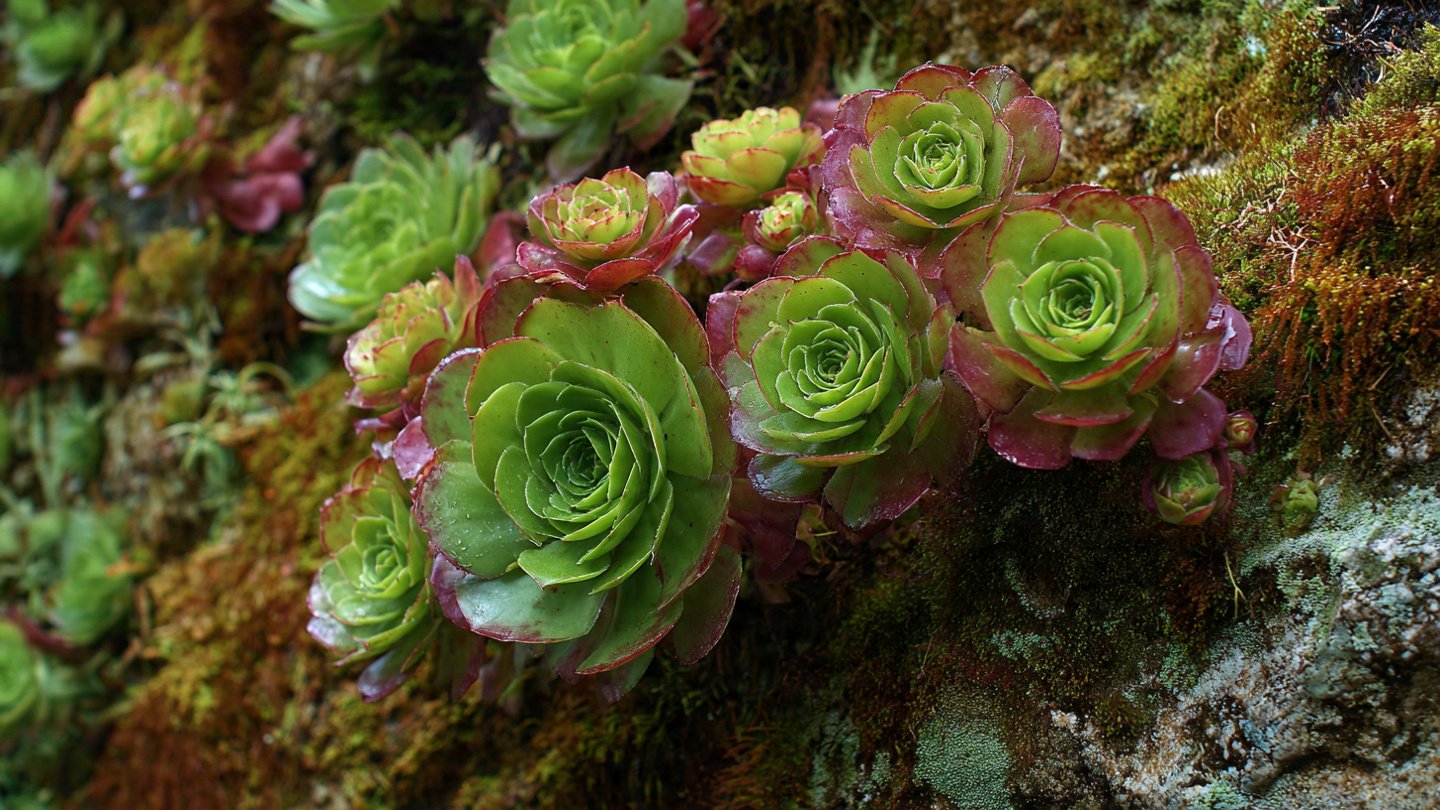

Aeoniums are stunning, succulent plants known for their unique rosette shapes and vibrant colors. These hardy plants are not just eye-catching additions to gardens but also relatively low-maintenance, making them an excellent choice for both novice and seasoned gardeners. This guide provides simple steps to cultivate beautiful Aeonium rosettes outdoors with minimal effort, ensuring that your garden remains vibrant throughout the seasons.
Understanding Aeoniums
Aeoniums belong to the Crassulaceae family and are native to the Canary Islands and parts of East Africa. They come in various species and hybrids, showcasing a wide range of shapes and colors. The most popular species include Aeonium arboreum, Aeonium nobile, and Aeonium ‘Sunburst’. Typically, these plants thrive in warm climates and are drought-resistant, making them perfect for outdoor cultivation.
Benefits of Growing Aeonium Outdoors
- Low Maintenance: Aeoniums thrive on neglect, requiring minimal watering and care.
- Visual Appeal: Their striking rosettes add a dynamic element to any garden.
- Attract Pollinators: Aeoniums produce flowers that attract bees and other beneficial insects.
- Drought Resistance: Ideal for xeriscaping, these plants conserve water.
Planting Aeoniums: Step-by-Step Guide
1. Choosing the Right Location
Aeoniums prefer sunny locations, so choose a spot that gets at least six hours of sunlight daily. However, in extremely hot climates, a little afternoon shade protects them from scorching.
2. Preparing the Soil
Aeoniums thrive in well-draining soil. Here’s how to prepare it:
- Soil Type: Use a cactus or succulent potting mix, or mix regular garden soil with sand and perlite to improve drainage.
- pH Level: Aeoniums prefer a slightly acidic to neutral pH (around 6.0 to 7.0).
3. Choosing Your Aeonium Variety
Decide which Aeonium variety to plant. Popular options include:
- Aeonium arboreum: Known for its tree-like structure.
- Aeonium ‘Zwartkop’: Dark purple leaves, creating a dramatic contrast.
- Aeonium ‘Sunburst’: Bright green and yellow variegated leaves.
4. Planting the Aeoniums
- Spacing: Plant your Aeoniums at least 12 to 24 inches apart to allow for healthy growth.
- Depth: Dig a hole slightly larger than the root ball and place the plant. Fill with soil, ensuring the crown is level with the ground.
5. Watering Wisely
After planting, water your Aeoniums lightly to help them settle. Follow these guidelines for watering:
- Frequency: Water every two to three weeks during the growing season (spring and summer) and reduce in the fall and winter.
- Check Soil Moisture: Only water when the top inch of soil is dry.
6. Fertilizing
Feed Aeoniums lightly with a balanced, water-soluble fertilizer during the growing season. A diluted half-strength formula once or twice a month is sufficient. Avoid fertilizing in the fall and winter, as the plants enter dormancy.
7. Pruning and Maintenance
Aeoniums require minimal pruning. However, remove dead leaves and spent flowers to encourage healthy growth. For leggy growth, pinch off the tips to promote a bushier appearance.
8. Pest and Disease Management
While Aeoniums are generally pest-resistant, keep an eye out for:
- Mealybugs: Treat with insecticidal soap.
- Aphids: Wash off with a strong spray of water.
Seasonal Considerations
Spring and Summer Care
During warmer months, ensure your Aeoniums receive ample sunlight and occasional watering. This is their active growth phase, so they will thrive with proper care.
Fall and Winter Care
As temperatures drop, reduce watering frequency. Aeoniums may enter dormancy, and overwatering during this period can cause root rot.
Protecting from Frost
If you live in a region with frost, consider growing Aeoniums in pots that can be brought indoors or provide frost protection, such as covering them on particularly cold nights.
Additional Tips for Success
- Mulching: Applying a layer of gravel or decorative stones around the base of your Aeoniums helps retain moisture and prevents weeds.
- Propagation: Aeoniums can easily be propagated via leaf or stem cuttings. Allow cuttings to callous for a few days before planting in soil.
- Container Gardening: If space is limited, Aeoniums grow well in containers. Ensure pots have drainage holes and use appropriate potting soil.
Common Challenges
Overwatering
The most prevalent issue facing Aeonium growers is overwatering, leading to root rot. Always err on the side of caution and underwater rather than overwater.
Insufficient Sunlight
If your Aeoniums appear leggy, they might not be receiving enough sunlight. Move them to a sunnier location for optimal growth.
Fungal Issues
High humidity can lead to fungal issues. Ensure proper spacing and ventilation to prevent this.
Frequently Asked Questions (FAQs)
1. How often should I water my Aeoniums?
Water every two to three weeks during the growing season, allowing the soil to dry out completely between waterings.
2. Can I grow Aeoniums indoors?
Yes, but they require a bright, sunny location, ideally near a south-facing window.
3. Are Aeoniums toxic to pets?
Aeoniums are generally considered non-toxic to pets, but it’s always a good idea to monitor your pets around plants.
4. How do I propagate Aeoniums?
You can propagate Aeoniums from leaf or stem cuttings. Let the cuttings callous for a few days before planting them in well-draining soil.
5. What should I do if my Aeonium leaves turn yellow?
Yellowing leaves can indicate overwatering. Check the soil moisture and reduce watering frequency if necessary.
6. Do Aeoniums need fertilizers?
While not mandatory, a light feeding during the growing season can encourage healthy growth. Use a diluted, water-soluble fertilizer.
7. Can Aeoniums survive freezing temperatures?
Aeoniums prefer warmer climates and may suffer in freezing temperatures. Ensure protection during cold snaps to prevent damage.
Conclusion
Cultivating Aeonium rosettes outdoors is a delightful and manageable hobby that enhances any garden. With their low-maintenance requirements and stunning visual appeal, Aeoniums can transform your outdoor spaces into vibrant ecosystems. By following this easy guide, you will not only enjoy beautiful Aeonium rosettes but also gain confidence in your gardening abilities. Happy planting!