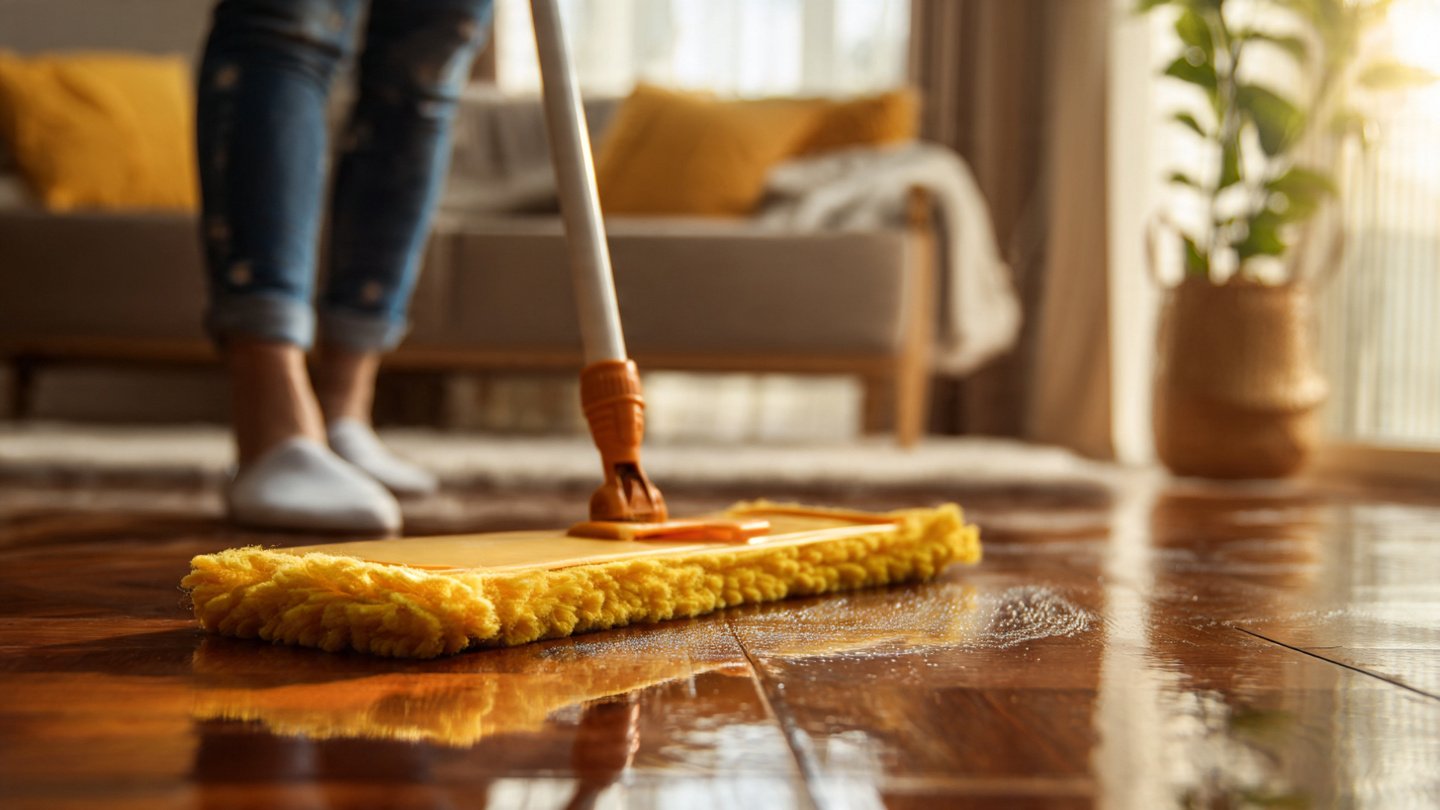

In the daily hustle and bustle of managing a clean and organized space, floor cleaning often rises to the top of the list. Floors accumulate dirt, dust, and grime quickly, making regular cleaning essential. However, several myths surround daily floor cleaning that can lead to wasted time, energy, and even money. In this article, we will debunk some of these myths so you can streamline your cleaning process and maintain a healthier environment.
Myth 1: Sweeping Is All You Need
Many people believe that sweeping is sufficient for floor cleaning, especially in high-traffic areas. While sweeping can remove surface dirt and debris, it often leaves finer particles like dust and allergens behind. When swept, dirt particles can get redistributed into the air, potentially leading to respiratory issues over time.
The Truth:
For effective cleaning, it’s essential to combine sweeping with mopping. Use a microfiber mop or a damp cloth to pick up fine dust and allergens. This method is not only more effective but also helps maintain better air quality in your space.
Myth 2: All Cleaning Products Are Created Equal
Another common myth is that any cleaning product can be used on any type of flooring. People often reach for the same all-purpose cleaner for hardwood, tile, and carpet, believing it will do the job equally well.
The Truth:
Different flooring materials require specific care. For example, hardwood floors need gentle cleaners that won’t strip their finish, while tile floors can tolerate more robust cleaning agents. Always read the manufacturer guidelines and choose products specifically designed for your flooring type to avoid damage and reach optimal cleanliness.
Myth 3: Daily Cleaning Is Excessive
Some homeowners dismiss daily cleaning, believing it is excessive and can be pushed to a weekly or bi-weekly schedule. This misconception can lead to tedious, longer cleaning sessions later, as dirt and grime build up.
The Truth:
Daily cleaning can actually save you time in the long run. Brief, consistent cleaning sessions (10–15 minutes) can prevent dirt from accumulating, making cleaning less strenuous. Adopting a daily routine fosters a healthier environment and maintains your floors’ appearance and longevity.
Myth 4: Damp Cleaning Doesn’t Work on Hard Floors
Some people assume that damp mopping will not effectively clean hard floors. This myth stems from the fear of water damage or excess moisture. As a result, they may opt for only dry cleaning methods.
The Truth:
Damp mopping is effective and safe when done correctly. Use a well-wrung mop and appropriate cleaner, and avoid soaking the floor. This method traps dust and dirt better than dry dusting alone, improving hygiene without the risk of water damage when done properly.
Myth 5: You Don’t Need to Vacuum Hard Floors
Many people think that vacuuming is primarily for carpets and neglect this step for hard floor surfaces. This belief can lead to dust and debris buildup, diminishing the lifespan of your floors.
The Truth:
Vacuuming is essential for hard floors as well. It not only removes loose dirt and debris but also helps prevent scratches caused by particles being ground into the surface. Using a vacuum cleaner with a hard floor setting or attachments specifically designed for hard floors will make this process more efficient.
Myth 6: Using a Wet Mop Alone Is Sufficient
When it comes to mopping, some believe that simply using a wet mop with cleaner is the best approach. However, this method lacks effectiveness if not complemented by the right technique and tools.
The Truth:
To maximize cleaning results, start by sweeping or vacuuming the floor first. This removes larger debris that can hinder the effectiveness of mopping. Also, consider using a two-bucket system—one for the cleaning solution and another for rinsing—to avoid redistributing dirt and grime.
Myth 7: The More Product, the Better
A prevalent misconception is that using more cleaning product will result in cleaner floors. This idea can lead to excessive residue on surfaces, attracting more dust and dirt.
The Truth:
Using the recommended amount of cleaning product is key. Too much cleaner can leave a film on the floor, requiring additional cleaning to remove. Always follow the manufacturer’s instructions for the correct dosage to achieve optimal results without wasted product.
Myth 8: You Only Need to Clean Visible Dirt
Many people only clean areas of the floor that are visibly dirty, neglecting hidden or high-traffic locations. This selective cleaning can lead to the accumulation of grime in less visible areas, escalating cleaning efforts over time.
The Truth:
It’s important to establish a routine that encompasses all areas of your floors, including corners, under furniture, and along baseboards. Regularly cleaning less obvious areas will minimize deep-cleaning needs later and maintain a consistent level of cleanliness throughout your space.
Myth 9: Cleaning Pads Last Forever
Some individuals hold the belief that cleaning pads for mops and vacuum cleaners can be used indefinitely. While these tools are designed to be reusable, failing to clean or replace them can compromise cleaning effectiveness.
The Truth:
Regularly wash or replace cleaning pads according to the manufacturer’s recommendations. Dirty or worn-out pads can simply spread dirt rather than remove it, ultimately costing you more time and effort to achieve the cleanliness you desire.
Myth 10: Wooden Floors and Water Don’t Mix
The fear of damaging wood floors often leads to hesitance in using any form of moisture on them. As such, individuals may resort to dry mopping methods alone, which might not be enough for thorough cleaning.
The Truth:
Wooden floors can be safely damp mopped with appropriate cleaning solutions. The key is to use minimal water and a microfiber mop that’s damp—not soaking. Regular maintenance will not only enhance cleanliness but also prolong the life of your floors.
Myth 11: Professional Cleaning Is Always Necessary
Some believe that daily cleaning is futile if professional cleaning services are not utilized. This myth can lead to procrastination and neglect in maintaining floors.
The Truth:
While professional cleaning can be beneficial occasionally, it is not a substitute for daily care. Simple, regular cleaning can keep floors looking their best and reduce the need for costly deep cleans. Establishing responsible cleaning habits is a manageable way to stay ahead of dirt and grime.
Conclusion
Floor cleaning is an essential yet often misunderstood aspect of home maintenance. The myths that linger around daily floor care can lead to inefficient methods, increased energy expenditure, and wasted time. By debunking these misconceptions, you can transform your cleaning routine into a more effective and efficient process.
Implementing best practices—such as understanding your flooring needs, using the proper tools, and establishing a daily cleaning routine—will not only make your job easier but also help maintain the beauty and longevity of your floors. Embrace these truths and take control of your cleaning regimen to create a healthier, happier living environment. With a little awareness and effort, you’ll find that daily floor cleaning can be less of a chore and more of a manageable part of your daily life.