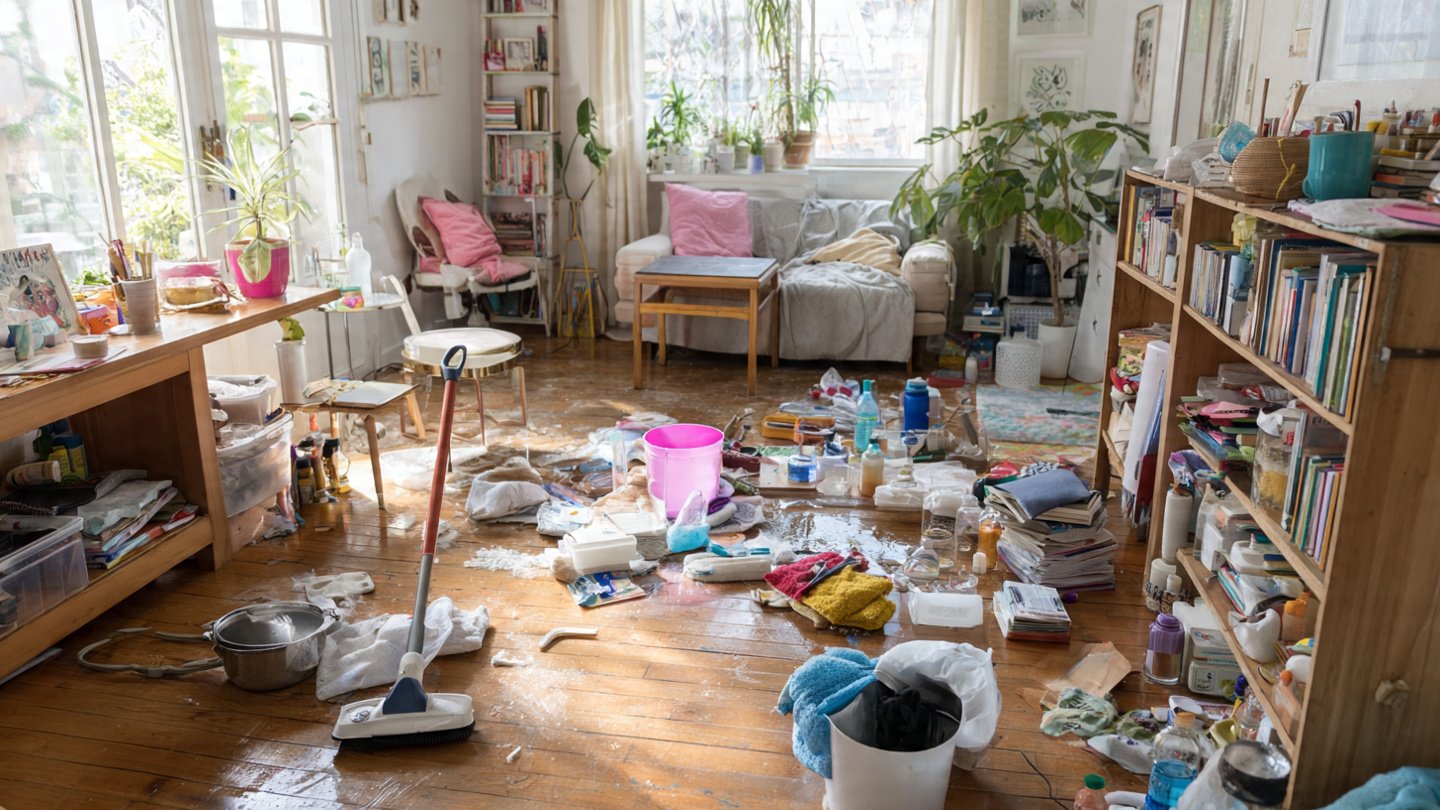

Maintaining a clean and organized living or working space can often feel like a daunting task. However, adopting daily cleaning habits can prevent clutter and mess from accumulating. This article explores simple yet effective habits to integrate into your daily routine, allowing you to enjoy a tidy environment without feeling overwhelmed.
1. Make the Bed Every Morning
Starting the day by making your bed creates an immediate sense of order and accomplishment. A made bed can significantly enhance the overall appearance of your bedroom, setting a positive tone for the day. It takes just a couple of minutes and can have a remarkable impact on how you perceive your space.
2. Implement the “One-In, One-Out” Rule
This rule is straightforward: for every new item you bring into your home, remove one item. This habit helps to keep clutter at bay and prevents items from piling up, particularly in areas like closets and drawers. Whether it’s clothes, toys, or kitchen gadgets, continually assessing what you really need helps maintain a tidy environment.
3. Develop a Daily Cleanup Routine
Establish specific times during the day for quick cleanups. This might include:
- Wiping down kitchen counters after meals.
- Putting items back in their designated places.
- Quickly dusting surfaces every evening.
Setting aside just 10-15 minutes each day can help prevent messes from overwhelming you. The more consistent you are, the easier this routine will become.
4. Tackle the Dishes Immediately
Avoid letting dirty dishes pile up in the sink. Instead, rinse and load them into the dishwasher right after meals or wash them by hand. This quick habit not only keeps your kitchen looking neat but also saves you from the daunting task of washing stacks of dishes later.
5. Organize as You Go
When you use an item, make it a habit to return it to its proper place immediately after use. This simple practice can help maintain overall cleanliness in your home. Whether it’s putting your shoes in the closet when you come inside or returning books to the shelf, these small actions can prevent clutter from accumulating.
6. Utilize Storage Solutions
Organizational tools such as bins, baskets, and shelves can help keep your space tidy by providing designated spots for items. Consider labeling storage containers to make it easier to find and return items. This strategy not only keeps your belongings organized but also makes cleaning up a quicker task.
7. Schedule Time for Regular Deep Cleaning
While daily habits help manage clutter, scheduling regular deep cleaning sessions is crucial for maintaining a pristine environment. Set aside time weekly or monthly to tackle tasks that require more effort, such as:
- Cleaning carpets and upholstery.
- Dusting hard-to-reach areas.
- Wiping down baseboards and window sills.
Breaking these tasks into manageable sections can make deep cleaning less overwhelming, allowing you to maintain a higher standard of cleanliness.
8. Keep Cleaning Supplies Handy
Having cleaning supplies easily accessible can motivate you to clean more frequently. Consider placing basic cleaning tools like disinfectant wipes, a small vacuum, or a dustpan in convenient locations around your home. The easier it is to clean, the more likely you are to do it regularly.
9. Involve the Whole Household
If you live with family or roommates, ensure that everyone is on board with maintaining cleanliness. Establish a cleaning schedule so everyone knows their responsibilities. Making cleaning a team effort not only lightens the load but also encourages collective accountability and cooperation.
10. Practice Mindfulness When Cleaning
Approach cleaning with intention by being present while you tidy up. Use this time to reflect or listen to music or a podcast. Being mindful can transform cleaning from a mundane chore into a more enjoyable activity, helping to alleviate any associated stress.
Conclusion
Adopting daily cleaning habits can dramatically reduce the growth of mess and clutter in your home or workplace. By implementing simple routines, organizing effectively, and creating a team environment, you can enjoy the benefits of a clean and orderly space. Remember that consistency is key; by taking small, manageable steps every day, maintaining cleanliness becomes not just achievable but also sustainable. Start today, and experience the positive impact of a cleaner environment on your mental and physical well-being.
FAQs
1. How long should I spend on daily cleaning?
A daily cleanup can be as brief as 10-15 minutes. The goal is to develop consistent habits rather than dedicating hours to cleaning each day.
2. What are some quick cleaning tips for people with busy schedules?
Focus on high-traffic areas and quick tasks, such as making your bed, doing the dishes, and wiping down surfaces. Multitasking during downtime, like cleaning while you wait for food to cook, can also be effective.
3. How can I motivate myself to clean regularly?
Set specific goals, reward yourself after completing tasks, and perhaps listen to music or a podcast while cleaning to make the process more enjoyable.
4. Is it okay to involve kids in the cleaning process?
Absolutely! Involving kids in cleaning can teach them responsibility and teamwork. Consider making it a fun activity by incorporating games or challenges.
5. What should I do if I feel overwhelmed by clutter?
Start small by decluttering one area at a time. Set a timer for 10 minutes and focus on that space, gradually expanding your efforts as you feel more comfortable.