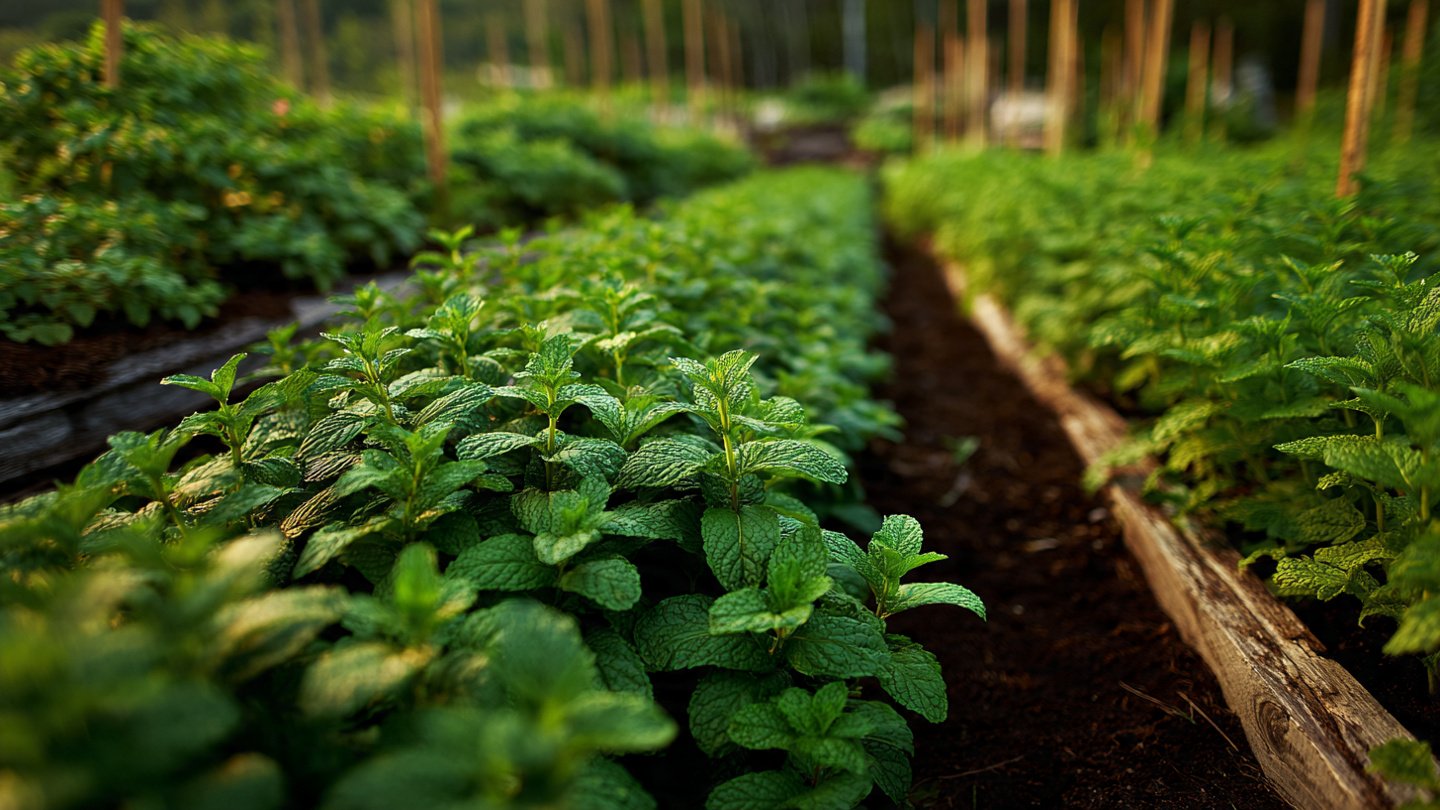

Mint is a perennial herb known not only for its refreshing flavor and aroma but also for its numerous health benefits. Cultivating a mint garden can be a rewarding experience, allowing you to enjoy the freshness of mint daily. Whether you’re using it in culinary dishes, teas, or personal care products, having a fresh supply of mint readily available is both convenient and delightful. In this article, we’ll explore everything you need to know to cultivate a thriving mint garden, including planting, caring for, and harvesting mint, along with a FAQs section to address common concerns.
Understanding Mint Varieties
Before diving into the cultivation process, it’s essential to understand the different varieties of mint. The most common types include:
-
Peppermint (Mentha × piperita): Known for its intense flavor, peppermint is excellent for teas and desserts.
-
Spearmint (Mentha spicata): Milder in taste, spearmint is often used in savory dishes and cocktails such as mojitos.
-
Chocolate Mint (Mentha × piperita ‘Chocolate’): This variety has a unique chocolate scent, making it great for desserts and sweet treats.
-
Apple Mint (Mentha suaveolens): With a fruity aroma, apple mint is delightful in salads and teas.
-
Pineapple Mint (Mentha suaveolens ‘Variegata’): Characterized by its variegated leaves, pineapple mint has a slightly tropical flavor.
Choose one or more varieties based on your flavor preference and intended use.
Choosing the Right Location
Mint is a versatile plant that can grow both indoors and outdoors, but it thrives best in certain conditions. Here are some factors to consider:
Light
Mint prefers full sun but can also tolerate partial shade. Aim for at least 4-6 hours of sunlight per day. If growing indoors, place your mint near a south-facing window or use grow lights.
Soil
Mint prefers well-draining soil rich in organic matter. A pH level between 6.0 and 7.0 is ideal. You can amend the soil with compost to enhance nutrient content. If planting in garden beds, ensure the area is free of weeds and has good drainage.
Space
Mint is a vigorous grower and can easily spread out of control if not managed properly. Consider using containers or raised garden beds to contain its growth. If planting in a garden bed, allocate sufficient space (about 12-18 inches apart) between plants.
Planting Mint
From Seeds, Cuttings, or Plants
You can start your mint garden using seeds, cuttings, or established plants.
-
Seeds: Although growing mint from seeds is possible, it can be challenging. Start seeds indoors about 8-10 weeks before the last frost date or sow them outdoors after frost.
-
Cuttings: Taking cuttings from an established mint plant can be an easy way to propagate. Simply cut a 3-4 inch stem, remove the lower leaves, and place it in water or soil until roots develop.
-
Established Plants: Purchasing young mint plants from a nursery is often the simplest method. Plant them directly into your prepared garden bed or container.
Planting Instructions
-
Prepare the Soil: Loosen the soil, add compost, and mix thoroughly.
-
Plant: Dig a hole for each plant (or for placing cuttings) and ensure roots are well-covered, but not buried too deep. Water thoroughly after planting.
-
Water: Initially, water daily until established. Once mature, mint prefers consistent moisture but can tolerate short periods of drought.
Caring for Your Mint Garden
Watering
Mint loves moisture, so keep the soil consistently damp but not soggy. Watering 1-2 times a week, depending on the climate and rainfall, is typically sufficient. If you notice yellowing leaves, it may indicate overwatering.
Fertilizing
Mint is relatively low-maintenance regarding fertilization. A balanced liquid fertilizer can be applied once in early spring and again in mid-summer to promote healthy growth. Avoid over-fertilizing, as excessive nutrients can lead to inferior flavor.
Pruning
Regular pruning encourages bushier growth and helps prevent flowering, which can diminish flavor. Pinch back leaves and stems regularly, especially in the spring and early summer. If mint flowers, it’s best to remove the blooms to retain the plant’s flavor.
Pest and Disease Control
Common pests include aphids, spider mites, and whiteflies. Regularly inspect your plants and wash them off with a hose if necessary. Fungal diseases can occur if the plant is overwatered or doesn’t have enough airflow; ensure spacing and good drainage to prevent this.
Harvesting Mint
When to Harvest
Mint can be harvested as soon as it reaches about 4-6 inches in height. The best time to pick mint is in the morning after the dew has dried, which maximizes flavor and aroma.
How to Harvest
Use sharp scissors or shears to make clean cuts. Avoid uprooting the entire plant; instead, take 1/3 of the plant at a time, leaving enough foliage for it to continue growing. This approach allows for continual harvesting throughout the growing season.
Preserving Mint
To enjoy mint outside its growing season, consider the following preservation methods:
-
Freezing: Chop mint and place it in ice cube trays with water, then freeze. These cubes can be added to drinks or dishes.
-
Drying: Hang bundles of mint upside down in a cool, dry place away from direct sunlight. Once dried, store in airtight containers.
-
Infusing: Use fresh mint to infuse oils or vinegar, which can add a refreshing flavor to salads and dishes.
Seasonal Care
Mint thrives in warmer months, but it can survive winter in many climates. In colder regions, consider these seasonal tips:
- Fall: Cut back dead foliage and apply mulch to protect the roots during winter.
- Winter: Mint may die back but often regrows in spring. In severe cold, consider bringing container mint indoors.
Crafting Culinary Delights
Unleash your creativity with mint! Here are a few ways to use fresh mint:
- Teas: Brew fresh mint leaves in hot water for a refreshing herbal tea.
- Salads: Add chopped mint to salads for an aromatic twist.
- Desserts: Use mint in chocolate mousse or garnish cakes.
- Drinks: Mint is a classic addition to cocktails like mojitos or as a garnish for lemonade.
Conclusion
Caring for a mint garden can yield daily fresh harvests, enriching your culinary experiences and adding delightful aromas to your home. With minimal effort and consistent care, you can enjoy the fruits (or herbs) of your labor season after season. Whether you’re a novice gardener or an experienced green thumb, cultivating mint can be a rewarding and flavorful endeavor.
FAQs
1. How often should I water my mint plants?
Mint prefers consistently moist soil. Water it around 1-2 times a week, depending on weather conditions.
2. Can I grow mint indoors?
Yes! Mint can thrive indoors with adequate light. Place it near a sunny window or use grow lights if needed.
3. What pests should I watch out for?
Common pests include aphids, spider mites, and whiteflies. Regular inspection and washing can help control these pests.
4. Is it normal for mint to flower?
Yes, mint can flower, but flowering may diminish the flavor. It’s best to prune off flowers to encourage leafy growth.
5. How do I store fresh mint?
Store fresh mint in a glass of water in the fridge, or chop and freeze in ice cube trays for long-term storage. You can also dry it and keep it in airtight containers.
With this guide, you’re all set to start your mint garden and enjoy the myriad benefits that come with it! Happy gardening!