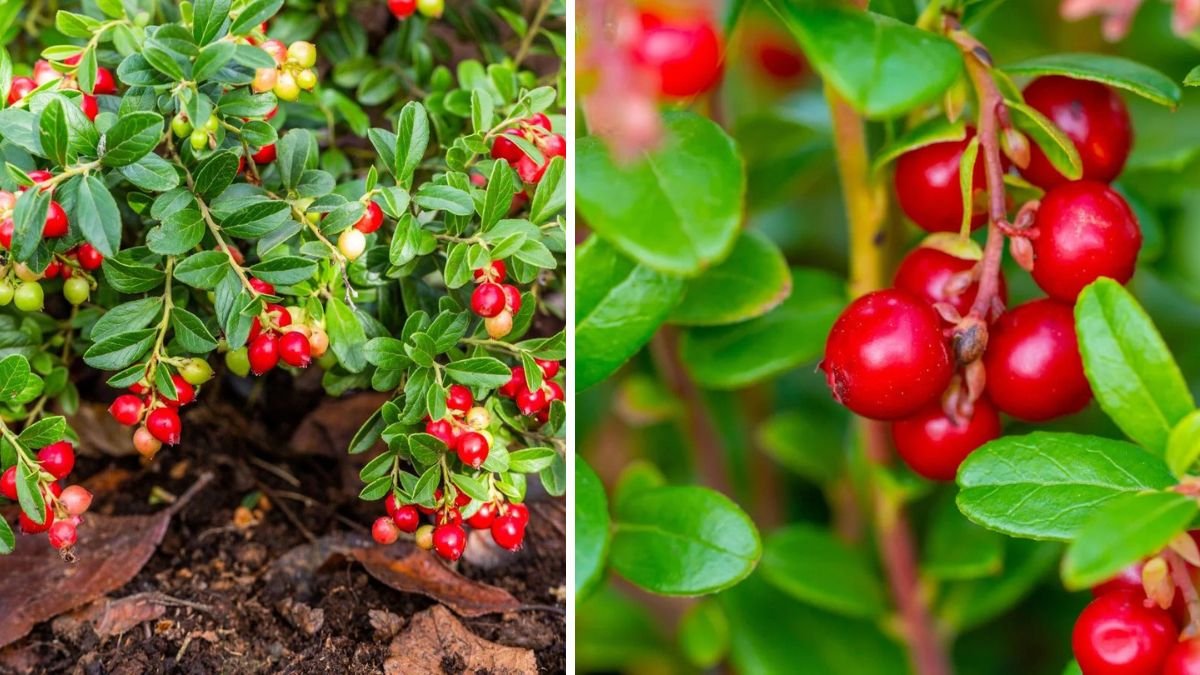

Lingonberries (Vaccinium vitis-idaea) are small, red berries prized for their sweet-tart flavor and numerous health benefits. Commonly found in Scandinavian cuisine, they are often used in jams, sauces, and desserts. While these hardy plants typically thrive in colder climates, growing lingonberries indoors is entirely feasible. This comprehensive guide will walk you through every step of growing your own lingonberry plants indoors, from choosing the right variety to harvesting your berries.
Understanding Lingonberries
Lingonberries are evergreen shrubs that are closely related to blueberries and cranberries. They can reach heights of 6 to 12 inches and spread horizontally through their underground rhizomes, making them suitable for containers or small garden spaces. The glossy, green leaves and delicate white or pink flowers are attractive additions to your indoor garden.
Benefits of Growing Lingonberries Indoors
- Flavor: Fresh lingonberries boast a bright, tangy flavor that enhances many dishes.
- Health Benefits: Rich in vitamins C and E, as well as antioxidants, lingonberries may boost your immune system and promote overall health.
- Year-Round Growth: When grown indoors, you can enjoy fresh berries regardless of the season, provided you meet the plants’ growing requirements.
Choosing the Right Variety
When selecting a lingonberry variety, consider these popular types:
- **’Ruby’- This compact variety is perfect for container gardening. Producing fruit early in the season, it offers a high yield with smaller fruit.
- **’Ernte 95′- Known for its disease resistance and high productivity, this variety grows well in cooler conditions.
- **’Wilderness’- This variety thrives in poor soil and produces smaller fruits but is incredibly resilient.
Sourcing Lingonberry Plants
You can purchase lingonberry plants at local nurseries or online gardening stores. Ensure that the plants are healthy and disease-free before making a purchase.
Ideal Growing Conditions
Lingonberries thrive in specific conditions. Here’s what you need to replicate in your indoor space:
Soil Requirements
Lingonberries require acidic, well-draining soil. A blend of peat moss, perlite, and pine bark works well, providing the acidity and drainage the plants need. Aim for a pH of 4.5 to 5.5 for optimal growth.
Light Conditions
Lingonberries love light but prefer indirect sunlight. A south-facing window is ideal, but if that’s unavailable, consider using grow lights. Aim for at least 12–14 hours of light per day.
Temperature and Humidity
These hardy plants prefer cooler temperatures between 60°F to 70°F (15°C to 21°C). To help maintain humidity, consider using a pebble tray with water or a small humidifier nearby, as lingonberries thrive in moist environments.
Planting Lingonberries
Containers
Selecting a suitable container is crucial. Choose pots with drainage holes, and containers with a minimum size of 12 inches in diameter will provide enough space for the roots to grow. Terra cotta pots are an excellent choice as they allow excess moisture to escape.
Planting Steps
-
Fill the Container: Start by filling your container with the acidic soil mixture, leaving about an inch of space at the top.
-
Position the Plant: Remove the lingonberry plant from its original container and gently loosen the roots. Position it in the new pot so that the root neck is just above the soil line.
-
Fill and Water: Fill around the roots with more soil, pressing lightly to remove air pockets. Water thoroughly until water drains from the bottom of the pot.
Caring for Indoor Lingonberries
Once your lingonberry plants are established, regular care will ensure they remain healthy and productive.
Watering
Lingonberries prefer consistently moist soil but do not tolerate waterlogged conditions. Water when the top inch of soil feels dry. During the growing season (spring and summer), more frequent watering may be necessary.
Fertilization
Feed your plants with a balanced, acid-loving fertilizer every four to six weeks during the growing season. Look for fertilizers specifically designed for blueberries or other acid-loving plants.
Pruning
Pruning is essential for maintaining the health and productivity of your plants. After the harvest, prune away any dead or overcrowded branches. This encourages new growth and improves airflow around the plant.
Pest and Disease Control
Indoor plants can still fall victim to pests like aphids and spider mites. Regularly inspect your plants for any signs of pests. Use insecticidal soap or neem oil to combat infestations organically. Also, keep an eye out for fungal diseases; proper light and airflow can mitigate many issues.
Pollination
While lingonberries can self-pollinate, having two different varieties will improve your yield. Planting more than one will attract insects, improving the pollination process.
Harvesting Lingonberries
Lingonberries typically ripen in late summer to early fall. They should be bright red and firm to the touch when ready for harvest. Gather them carefully to avoid damaging the plant.
Storage
Freshly harvested lingonberries can last up to a month in the refrigerator. You can also freeze them for long-term storage, keeping their bright flavor intact.
Using Your Lingonberries
Your homegrown lingonberries can be used in numerous exciting ways:
- Jams and Preserves: Making homemade lingonberry jam allows you to savor the taste throughout the year.
- Sauces: Use them as a tangy sauce for meats, like game or turkey.
- Baking: Incorporate them into pies and desserts for a burst of flavor.
Conclusion
Growing lingonberries indoors can be a rewarding experience, offering you a continuous supply of fresh, flavorful berries. By understanding their growing requirements and providing the right care, you can enjoy the many benefits these delightful berries bring to your table.
FAQs
1. How long does it take for lingonberries to bear fruit?
Lingonberry plants typically take about 2 to 3 years to start producing fruit after planting.
2. Can I grow lingonberries from seeds?
While it’s possible to grow lingonberries from seeds, it’s a lengthy process. Starting with established plants is usually faster and more successful.
3. How often should I fertilize my lingonberries?
Fertilize your lingonberries every four to six weeks during the growing season with a balanced, acid-loving fertilizer.
4. What pests should I be aware of?
Common pests include aphids, spider mites, and leafhoppers. Regularly inspect your plants and use organic methods to control infestations.
5. What’s the best way to encourage pollination?
Planting two different varieties of lingonberries will improve your chances of successful pollination and increase your berry yield.
6. Can I grow lingonberries in low light?
Lingonberries prefer bright, indirect sunlight. If you only have low light, consider using grow lights to supplement their light needs.
By following this guide, you’ll not only enjoy the process of growing lingonberries but also the delicious fruits of your labor. Happy gardening!