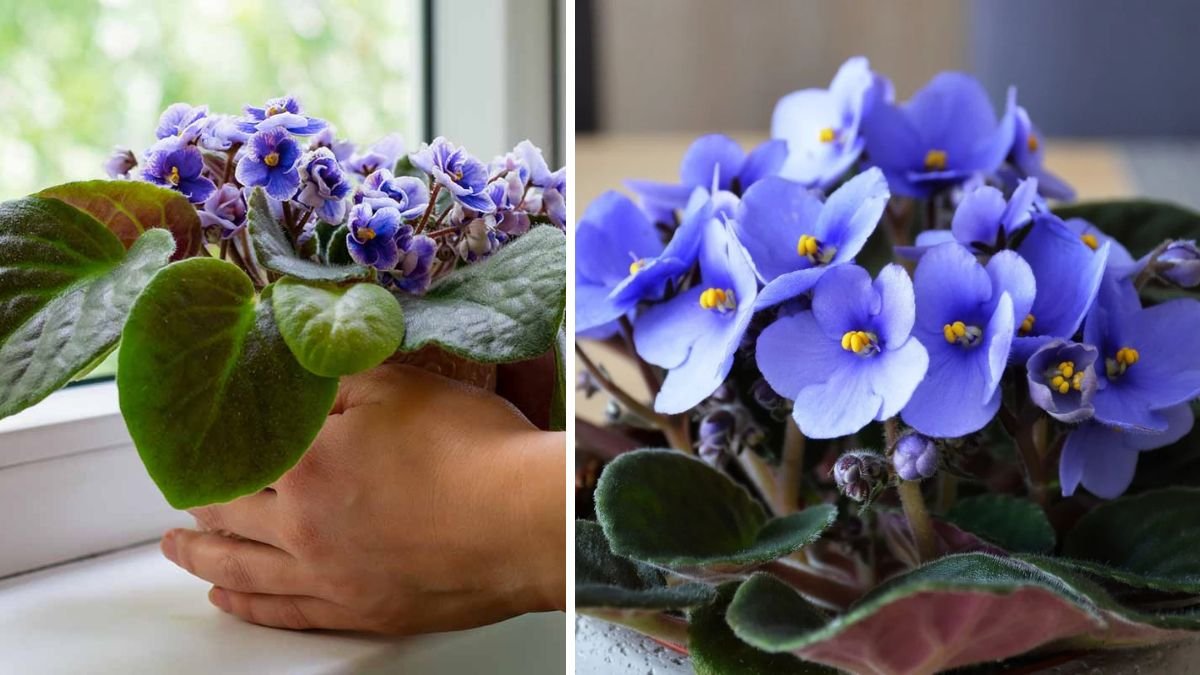

African violets (Saintpaulia) have captured the hearts of plant enthusiasts worldwide with their gorgeous blooms and diverse colors. Among the various types, trailing varieties stand out for their unique growth habit, making them perfect for hanging baskets and cascading arrangements. This guide provides detailed insights on how to cultivate African violet trailing varieties successfully, whether you’re a beginner or an experienced gardener.
Understanding African Violet Trailing Varieties
African violets are native to the rainforests of East Africa, and they thrive in warm, humid environments. Trailing varieties, also known as “trailing violets,” exhibit a distinctive growth pattern where the stems elongate and spill over the edges of containers, creating a beautiful, cascading effect. These plants are characterized by their velvety leaves and vibrant flowers, making them a popular choice for indoor gardening.
Popular Trailing Varieties
- ‘Dwarf Trailing Violet’: This variety features compact growth, making it ideal for small spaces.
- ‘Blue Trailing Violet’: Known for its stunning blue flowers, this type is a favorite among collectors.
- ‘Trailing African Violet’: This strain has elongated stems that beautifully cascade down.
Essential Growing Conditions
1. Light
African violets prefer bright, indirect light. Direct sunlight can scorch their leaves, while insufficient light leads to poor blooming. Place your trailing varieties near a window that offers filtered sunlight, or use fluorescent grow lights if natural light is scarce.
2. Temperature and Humidity
These plants thrive in warm and humid conditions. The ideal temperature for African violets is between 70°F to 80°F (21°C to 27°C) during the day and slightly cooler at night. To maintain humidity levels, consider using a humidity tray or a humidifier, especially in dry climates or during winter months.
3. Soil
A well-draining potting mix is crucial for African violets. Look for a mix specifically formulated for African violets or create your own by combining peat moss, perlite, and vermiculite in equal parts. This mixture ensures proper aeration and water retention.
4. Watering
Watering is one of the most critical aspects of care. African violets prefer to be watered from the bottom to prevent leaf spots. Fill a saucer with water and let the plant absorb it for about 30 minutes. Always aim to keep the soil moist but not soggy, as overwatering can lead to root rot.
5. Fertilization
Use a balanced, water-soluble fertilizer specifically designed for African violets. Fertilize every 4-6 weeks during the growing season (spring and summer) and reduce feeding in fall and winter when growth slows down.
6. Pruning and Deadheading
Regularly remove spent flowers and dead leaves to keep your plant healthy. Pruning helps maintain a tidy appearance and encourages new growth. Use sterilized scissors to avoid introducing disease.
Propagation Techniques
1. Leaf Cuttings
One of the easiest methods to propagate African violets is through leaf cuttings. Select a healthy leaf and cut it from the stem. Place the cut end in a glass of water or directly into moist soil. Roots should develop in a few weeks, leading to new plants.
2. Division
If you have a well-established plant, divide it into smaller sections. Each section should have roots and leaves. Replant these divisions into separate pots for new growth.
Pest and Disease Management
Common Pests
- Mealybugs: Small, cotton-like insects that suck sap from the plant. Treat with insecticidal soap or neem oil.
- Spider Mites: Tiny pests that thrive in low humidity. Increase humidity and treat with appropriate insecticides.
- Fungus Gnats: Small flies that can harm roots. Allow the soil to dry out between waterings to control them.
Diseases
- Root Rot: Caused by overwatering; prevent it by ensuring proper drainage.
- Powdery Mildew: A fungal disease that appears as a white powder on leaves. Increase airflow and avoid overhead watering.
Creating a Stunning Display
1. Choose the Right Container
To showcase your trailing varieties, opt for hanging baskets, shallow pots, or wall planters. Ensure the containers have drainage holes to prevent water accumulation.
2. Companion Plants
When designing your display, consider pairing African violets with other houseplants that have similar care requirements. Pothos, ferns, or peace lilies can create a lush arrangement.
3. Seasonal Adjustments
Adjust your display as seasons change. In winter, consider moving plants closer to light sources. In summer, ensure they have enough humidity to thrive.
Troubleshooting Common Challenges
Despite your best efforts, you may encounter issues when cultivating African violet trailing varieties. Here are some common problems and how to remedy them:
1. Leaves Turning Yellow
Yellowing leaves can indicate overwatering or nutrient deficiencies. Adjust your watering schedule and consider fertilizing if necessary.
2. Lack of Blooms
If your plant isn’t flowering, it may be receiving too little light or too much nitrogen. Ensure it’s in a bright spot and use a balanced fertilizer to promote blooming.
3. Leaf Spots
Leaf spots may be a result of water on the leaves or pest infestation. Water at the soil level and examine the plant for insects.
Frequently Asked Questions (FAQs)
Q1: How often should I water my trailing African violets?
A1: Water your African violets when the top inch of soil feels dry—approximately once a week. Always aim for bottom watering to prevent leaf spots.
Q2: Can I keep my African violets outdoors?
A2: African violets are best suited for indoor conditions; however, if you keep them outdoors during the warm months, ensure they have filtered sunlight and protection from wind and rain.
Q3: How do I know if my African violet is getting enough light?
A3: If your African violet’s leaves are stretching towards the light source and the plant is not blooming, it may need more light. Conversely, if the leaves appear scorched, it’s getting too much direct sunlight.
Q4: Why are the leaves of my African violet curling?
A4: Curling leaves can signify underwatering, overwatering, or pest issues. Check the soil moisture and inspect for pests to diagnose the problem.
Q5: How can I encourage my African violet to bloom more?
A5: Ensure your plant receives adequate light, proper watering, and fertilization during the growing season. Additionally, deadhead spent blooms to encourage new flowers.
Conclusion
Cultivating African violet trailing varieties can be a rewarding experience for both beginners and seasoned gardeners. With the right care and conditions, these plants can flourish, adding a touch of beauty and color to any space. By understanding their specific needs in terms of light, water, soil, and humidity, you can ensure that your trailing African violets will thrive and bloom beautifully for years to come. Whether you choose to propagate them or create stunning displays, these captivating plants will undoubtedly bring joy into your home. Happy gardening!