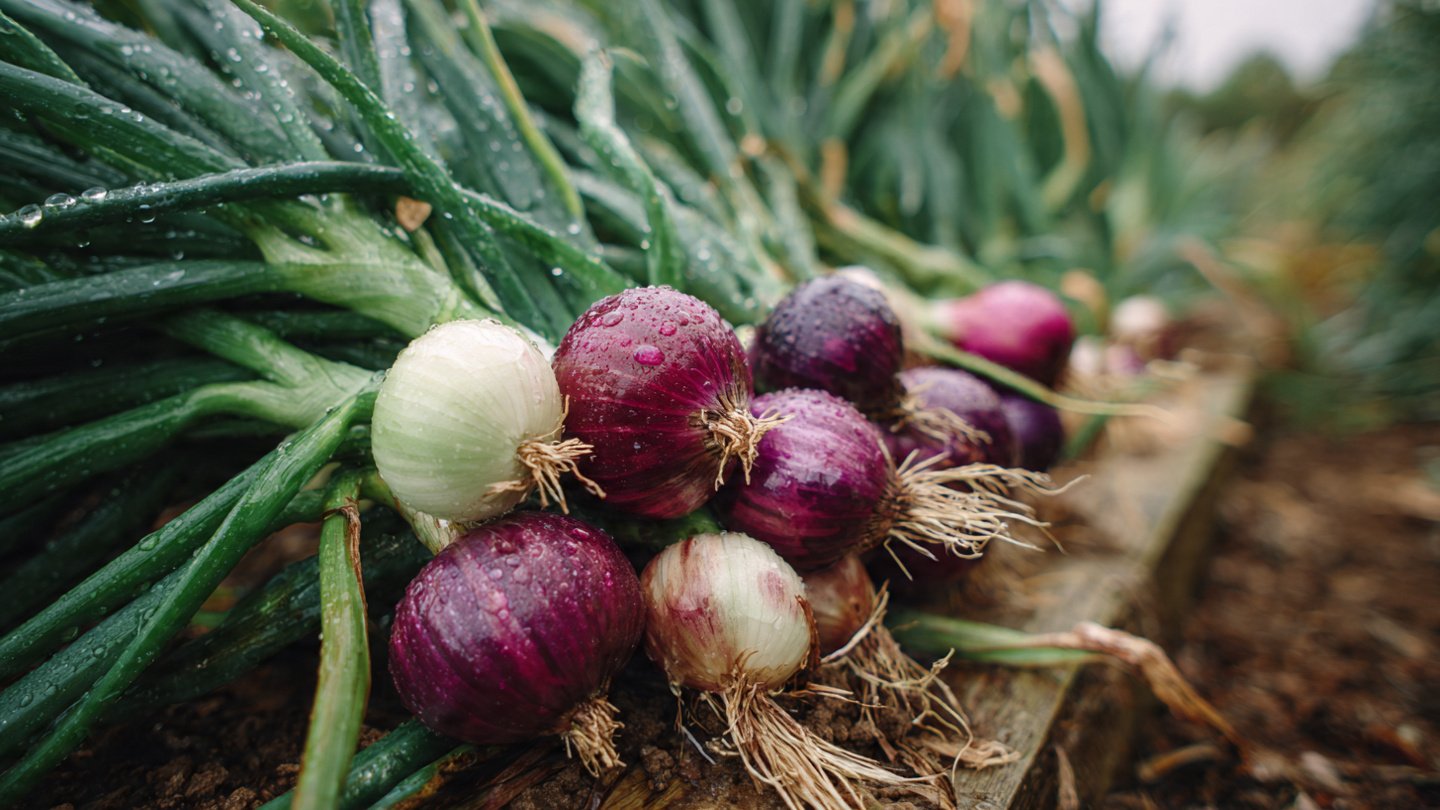

Onions are a vegetable that every gardener dreams of growing in abundance. But can you really grow a year’s worth of onions in one raised bed? The short answer is yes, but with some important considerations. This article will explore the feasibility, methods, and tips for growing an ample supply of onions in a single raised bed.
Understanding Onion Varieties
Before diving into the specifics of gardening, it’s crucial to understand the different types of onions. There are three main varieties:
- Bulb Onions: These are the common types found in grocery stores.
- Shallots: A milder onion that can be used in various dishes.
- Green Onions (or Scallions): These can be harvested early and used in salads and garnishes.
Choosing the right variety is essential for year-long supply. Bulb onions, especially, can store well and provide you with a substantial yield.
Understanding Your Space: The Raised Bed
Raised beds are an excellent choice for growing onions. They provide good drainage, allowing the soil to warm up faster in spring, which is essential for onion growth. The dimensions of your raised bed will directly influence the number of onions you can grow.
Ideal Size for Your Raised Bed
A standard raised bed of 4 feet by 8 feet offers 32 square feet of planting area. With proper spacing, this size can yield a significant number of onions. Here’s a rough breakdown of how many onions you can plant:
- For bulb onions, space them 4-6 inches apart in rows that are 12-18 inches apart.
- You can fit approximately 4-6 rows of onions in a 4-foot wide bed.
- In total, this can yield between 100 to 200 onions depending on spacing and variety.
Given that a medium onion can last up to 2-3 months in storage, a raised bed can indeed provide a year’s worth of onions if harvested at different times and stored properly.
Planting Techniques
Planting onions requires some planning. Here are some effective methods:
Direct Sowing
Seeds can be sown directly in the raised bed. Sow seeds about ¼ inch deep and thin them out as they grow to ensure adequate space. However, this method can require more time for cultivation and may not provide an early harvest.
Using Onion Sets
Onion sets are small bulbs that are typically easier to handle and can lead to quicker results. Plant them about 1 inch deep and 4-6 inches apart. This method may yield a quicker harvest, allowing for staggered planting in the same bed.
Transplanting Seedlings
If you start seeds indoors, you can transplant seedlings in spring. This allows for earlier harvesting, and you can maximize your harvest by starting up to 10-12 weeks before the last frost.
Caring for Your Onion Plants
Onions require consistent care to thrive. Here are key factors to consider:
Watering
Onions need consistent moisture, especially in the early growth stages. Aim to keep the soil consistently moist but not soggy. A good rule of thumb is to water onions once a week, giving them about 1 inch of water.
Fertilization
Using a balanced fertilizer can enhance growth significantly. Onions thrive with nitrogen-rich fertilizers, especially during the early growth stages, but be careful not to over-fertilize, which can lead to lush greenery at the expense of bulb size.
Weed Control
Keeping weeds at bay is crucial as they compete for nutrients and water. Hand-pulling weeds is effective, especially when the onions are young. Mulching can also help manage weeds and retain soil moisture.
Harvesting and Storing Your Onions
Timing is critical when harvesting onions. Bulb onions are typically ready when the tops begin to fall over and yellow. Here are some steps for harvesting:
- Gently lift the bulbs from the ground with a garden fork.
- Let them dry in a shaded, airy place for a few days.
- Once cured, trim the roots and leaves.
Onions can be stored in a cool, dry, and dark place. Properly stored onions can last several months, making it feasible to have a successful year’s worth of onions from a single raised bed.
Challenges You May Encounter
While it is possible to grow a year’s worth of onions in one raised bed, several challenges can arise:
Pests and Diseases
Common pests include onion flies and thrips. Crop rotation and companion planting can help mitigate pest problems. Keeping the bed free of debris and weeds can also reduce the risk of diseases.
Climate Considerations
Onions thrive in full sun and well-drained soil. If you live in an area with heavy rainfall or extreme temperatures, consider using row covers or shade cloth to protect your onions.
Timing and Growth Rate
Different onion varieties have different maturity times. Ensuring you plant early-maturing varieties can help secure a better yield within your timeframe. It’s essential to plan planting and harvesting to cultivate onions continuously through the year.
Conclusion
In conclusion, growing a year’s worth of onions in one raised bed is not only feasible but also rewarding. With proper planning, care, and the right techniques, you can enjoy a bountiful harvest that lasts throughout the year. Start by choosing suitable varieties, maintaining consistent care throughout their growth, and properly harvesting and storing them. As you become more experienced, you can refine your techniques, leading to even greater yields. Remember, the rewards of gardening come not just from the harvest, but from the joy and satisfaction of nurturing something from seed to table.
Frequently Asked Questions (FAQs)
How many onions can I plant in a 4×4 raised bed?
You can plant approximately 64 to 100 onions in a 4×4 raised bed, depending on the spacing you choose.
What is the best time to plant onions?
The best time to plant onions is in early spring, as soon as the soil is workable. Some gardeners also plant in late summer for fall harvesting.
Can I grow onions in containers?
Yes, onions can be grown in containers as long as the pots are deep enough to accommodate their growth and you provide adequate sunlight and drainage.
How can I tell when my onions are ready to harvest?
Onions are ready to harvest when the tops start to yellow and fall over. This usually indicates that the bulbs have reached their full size.
What is the ideal storage temperature for onions?
Onions should be stored in a cool, dark, and dry place, ideally at temperatures around 32-40°F (0-4°C).