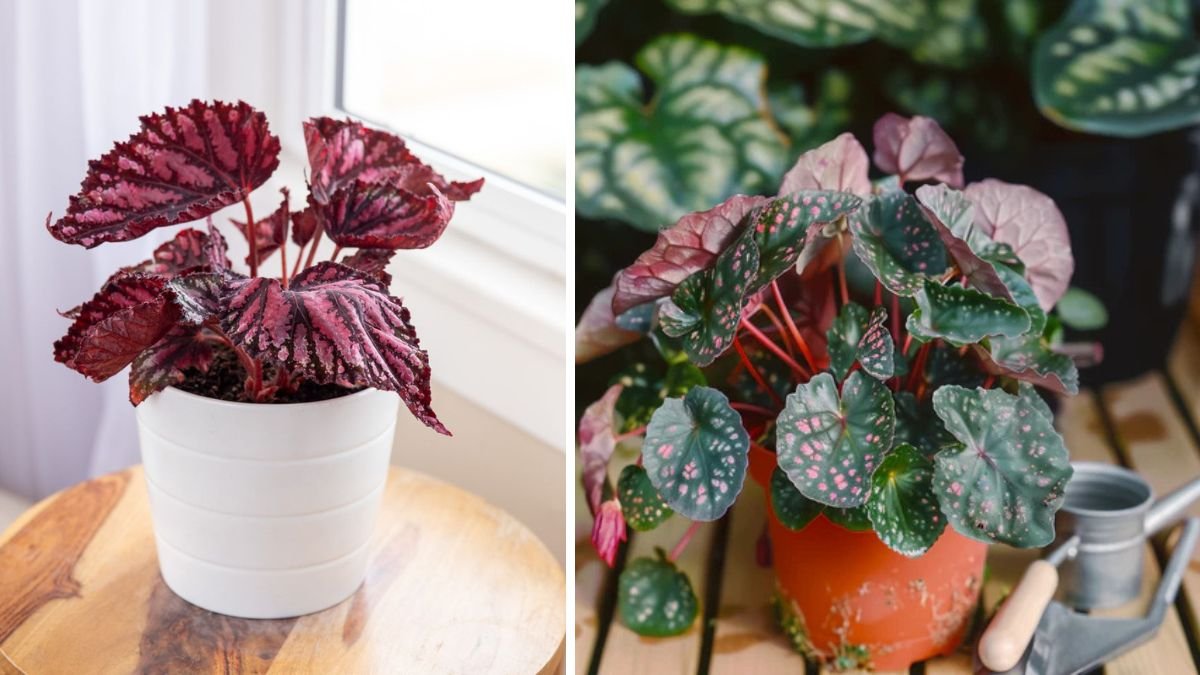

Begonias are beloved houseplants known for their vibrant foliage and stunning flowers. While these plants can thrive with proper care, they are susceptible to issues such as leaf curl, which can result from various environmental stressors. This article delves into the best methods for achieving healthy Begonia growth while preventing leaf curl.
Understanding Begonia
Begonias belong to the family Begoniaceae and come in various species and varieties. They are native to tropical and subtropical regions and thrive in environments with warm temperatures, high humidity, and indirect sunlight. Common types include wax begonias, tuberous begonias, and rhizomatous begonias. Each type has specific care requirements, but all share a need for excellent moisture management, proper lighting, and nutrient balance.
Factors Contributing to Leaf Curl
Understanding the causes of leaf curl is crucial for preventing it. Several factors can lead to this condition in begonias:
- Water Stress: Both overwatering and underwatering can cause leaf curl. Overwatering leads to root rot, while underwatering can cause leaves to become dry and crisp.
- Humidity Levels: Begonias thrive in humidity levels of 40% to 60%. Low humidity can cause leaves to curl and become brittle.
- Temperature Fluctuations: Begonias prefer consistent temperatures between 65°F and 75°F (18°C to 24°C). Sudden changes can stress the plant.
- Pests and Diseases: Infestations by pests such as aphids, spider mites, or thrips can cause leaf curl. Diseases like powdery mildew can also stress the plant.
- Nutrient Imbalance: A lack of nutrients or excess fertilizer can lead to unhealthy foliage, including leaf curl.
Best Methods for Healthy Begonia Growth
To promote healthy growth in begonias and prevent leaf curl, consider the following strategies:
1. Optimal Watering Practices
a. Understand Your Plant’s Needs
Begonias prefer well-draining soil. Check the moisture level before watering by sticking your finger about an inch into the soil. If it feels dry, it’s time to water.
b. Water Quality
Use distilled or rainwater if possible. Tap water can contain chemicals that may harm your plant.
c. Consistent Schedule
Maintain a consistent watering schedule, usually once a week, while allowing the top inch of soil to dry out before the next watering.
2. Ideal Humidity Levels
a. Humidity Trays
Place a tray filled with pebbles and water beneath your Begonia pot. As the water evaporates, it increases the humidity around the plant.
b. Misting
Lightly mist the leaves in the morning to maintain humidity, but avoid wetting the flowers to prevent mold growth.
c. Room Placement
Keep your begonias in areas with higher humidity, such as kitchens or bathrooms.
3. Proper Lighting
Begonias thrive in bright, indirect sunlight. Too much direct sunlight can scorch their leaves, resulting in curling.
a. Location
Place your Begonia near a window that receives filtered light. Sheer curtains can help diffuse the sun.
b. Rotate Regularly
Rotate your plant every couple of weeks to ensure even light distribution on all sides.
4. Temperature Control
a. Consistent Environment
Maintain a stable temperature for your Begonia. Avoid placing it near heating vents, air conditioning units, or drafty windows.
b. Seasonal Adjustments
In colder months, consider moving your Begonia to a warmer location or using a space heater to maintain the preferred temperature range.
5. Nutrient Management
a. Fertilization Schedule
Fertilize your begonias every 4-6 weeks during the growing season (spring and summer) with a balanced, water-soluble fertilizer, diluted to half strength.
b. Soil Quality
Use a high-quality potting mix designed for houseplants. This ensures a balanced supply of nutrients.
c. Avoid Over-Fertilization
Too much fertilizer can lead to salt build-up in the soil, which can harm the roots and lead to leaf curl.
6. Pest Control
a. Regular Inspection
Check your Begonia regularly for signs of pests. Common pests include aphids, whiteflies, and spider mites.
b. Natural Remedies
If pests are detected, spray the leaves with a mixture of water and mild soap. For severe infestations, consider using neem oil or insecticidal soap.
c. Quarantine New Plants
Before introducing new plants to your collection, quarantine them for a few weeks to ensure they are pest-free.
7. Disease Management
a. Good Air Circulation
Ensure that your Begonia has proper air circulation around it. This can help prevent fungal infections like powdery mildew.
b. Cleanliness
Regularly dust the leaves and pots to prevent mold and insect infestations. Make sure to dispose of any dead leaves or flowers.
8. Pruning and Maintenance
a. Pinching Back
Pinch back leaves and stems to encourage bushier growth. This can also help maintain your plant’s shape.
b. Deadheading
Remove spent flowers to encourage new blossoms and keep the plant healthy.
9. Repotting
a. Repotting Frequency
Repot your Begonia every 1-2 years to refresh the soil and provide more space for growth.
b. Pot Size
Choose a pot that is one size larger than the current one. Ensure it has good drainage holes.
10. Regular Monitoring
Keep an eye on your Begonia’s growth, and don’t hesitate to adjust care routines.
FAQs
1. Why are my Begonia leaves curling?
Leaf curl can result from improper watering, humidity levels being too low, pests, disease, or nutrient imbalances.
2. How often should I water my Begonia?
Water your Begonia once a week, allowing the top inch of soil to dry out before the next watering.
3. What humidity level is best for begonias?
Begonias thrive in humidity levels between 40% and 60%.
4. Can I propagate my Begonia?
Yes, begonias can be propagated through leaf cuttings, stem cuttings, or division.
5. How do I know if my Begonia is getting enough light?
If your Begonia is stretching toward the light or its leaves are losing color, it may need more light. Conversely, if leaves are scorched, it’s getting too much direct sunlight.
6. What should I do if I find pests on my Begonia?
Inspect the leaves and stems carefully, and treat with a mixture of water and mild soap. For severe infestations, consider using neem oil.
7. Should I fertilize my Begonia in the winter?
During the dormant winter months, reduce or eliminate fertilization.
8. Is it necessary to repot my Begonia?
Yes, repotting every 1-2 years helps refresh the soil and allows for your Begonia’s continued growth.
Conclusion
For thriving Begonias that resist leaf curl, care is essential. Monitoring water and humidity levels, providing the right light and temperature, managing pests and diseases, and maintaining soil quality are crucial steps in ensuring your Begonia remains healthy and beautiful. With the proper care and attention, your Begonia can flourish, displaying its stunning foliage and vibrant blooms for all to admire.