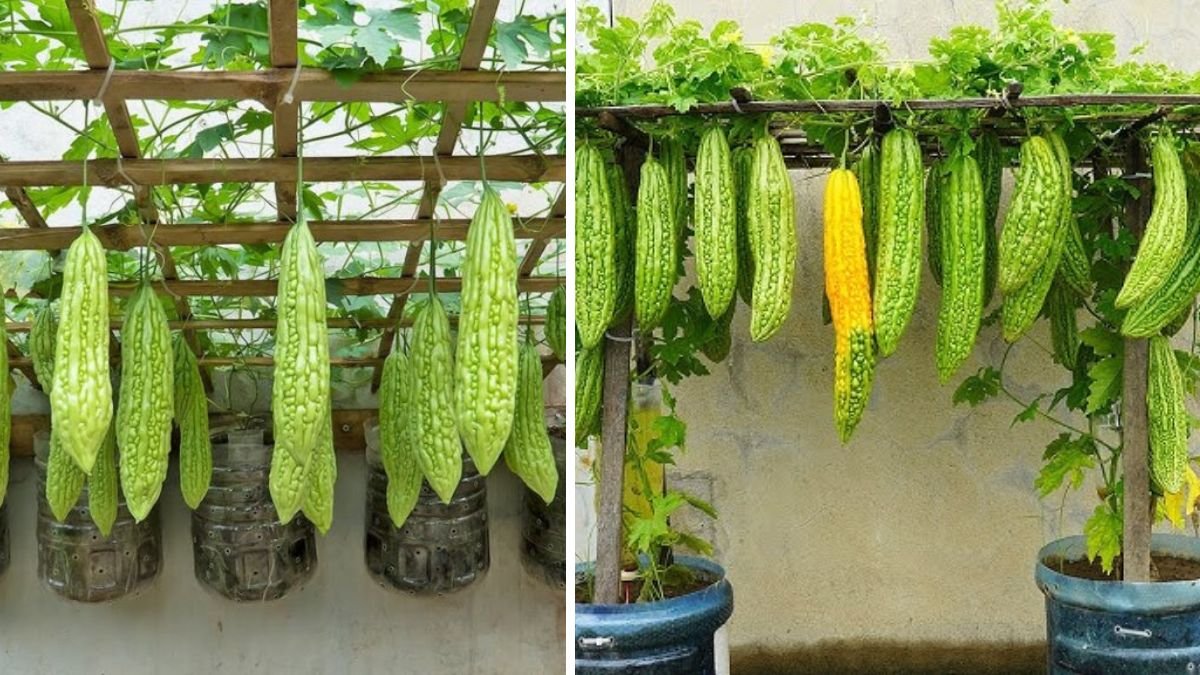

Karela, also known as bitter gourd or bitter melon, is a tropical and subtropical vine belonging to the Cucurbitaceae family. Renowned for its distinct bitter flavor and numerous health benefits, karela has become a popular choice for home gardeners and commercial farmers alike. However, one of the significant challenges faced by gardeners is the premature dropping of flowers, which can drastically reduce yields. In this article, we will delve into the best methods for growing karela successfully while naturally preventing flower drop.
Understanding Karela Plant
Botanical Profile
Karela is scientifically known as Momordica charantia. It thrives in warm climates, preferring temperatures between 70°F to 90°F. The plant features broad, lobed leaves and yellow flowers, which are crucial for fruit production. The bitter gourd is not only used in various culinary delights but is also valued for its medicinal properties, including its potential to help regulate blood sugar levels.
Ideal Growing Conditions
- Soil Type: Karela prefers well-drained, loamy soil enriched with organic matter. A pH range of 5.5 to 7.5 is ideal.
- Temperature: A warm climate between 70°F and 90°F is optimal.
- Sunlight: Karela vines require full sunlight, ideally at least 6-8 hours a day.
- Water: Consistent watering is essential; however, overwatering should be avoided as it may lead to root rot.
Steps to Grow Karela Successfully
1. Seed Selection and Preparation
Choosing high-quality seeds is the first step towards a successful karela crop. Look for seeds from reputable suppliers, preferably organic. Soak the seeds in water for 24 hours to soften the outer shell and promote germination.
2. Soil Preparation
Prepare the garden bed or containers by breaking up the soil and mixing in well-rotted compost. This nutrient-rich mixture will provide the necessary nourishment for the young plants. Ensure the soil is loose to allow for adequate drainage.
3. Planting
Karela can be directly sown in the garden or started indoors and transplanted later. If direct sowing, plant the seeds about 1 inch deep and space them approximately 2 feet apart. For indoor planting, transplant seedlings when they have at least two true leaves.
4. Watering
Regular watering is critical for karela plants, particularly during the flowering and fruiting stages. Water in the early morning to allow moisture to reach the root system without leaving the leaves wet. Ensure the soil remains consistently moist but not soggy.
5. Supporting the Vines
Karela is a climbing vine requiring support. Build a trellis or use stakes to guide the plants upward. This allows for better air circulation and reduces the risk of fungal diseases.
6. Fertilization
Fertilize karela plants with balanced fertilizers rich in nitrogen, phosphorus, and potassium. Apply a slow-release, organic fertilizer at planting, and follow up with liquid feed every few weeks during the growing season.
Preventing Flower Drop Naturally
Flower drop is a common issue with karela plants, often caused by stress factors. To minimize the occurrence of flower drop, here are several natural methods to implement:
1. Regulate Watering
Ensure consistent moisture without overwatering. Flower drop occurs when plants are stressed—both due to drought and excess moisture. A drip irrigation system can help maintain steady water supply and prevent fluctuations.
2. Optimize Temperature
Karela is sensitive to extreme temperatures. Too much heat can lead to flower drop. Utilize shade cloths during extremely hot days to provide some relief. Conversely, if nighttime temperatures drop below 60°F, consider using row covers.
3. Ensure Pollination
Karela flowers are typically hermaphroditic, meaning they contain both male and female parts. However, inadequate pollination can result in flower drop. To enhance pollination:
- Encourage Pollinators: Plant flowers nearby that attract pollinators like bees.
- Hand Pollination: In the absence of pollinators, consider hand-pollinating the flowers. Use a small brush or cotton swab to gently transfer pollen from male to female flowers.
4. Pest and Disease Management
Pests such as aphids, spider mites, and whiteflies can stress plants, leading to flower drop. Implement integrated pest management (IPM) strategies:
- Natural Predators: Introduce beneficial insects, such as ladybugs, that feed on harmful pests.
- Companion Planting: Grow aromatic herbs like basil or marigold alongside karela to deter pests.
5. Nutrient Management
Imbalance in nutrients can cause deficiency and lead to flower drop. While nitrogen promotes leafy growth, too much can inhibit flowering. Use a balanced fertilizer and consider conducting a soil test to determine nutrient levels.
6. Pruning and Thinning
Regular pruning helps in improving air circulation and light penetration. Thinning overcrowded vines will reduce competition for resources and improve flowering. Focus on keeping the most vigorous plants while removing weaker ones.
7. Mulching
Applying a layer of organic mulch around the base of the plants retains soil moisture, regulates temperature, and suppresses weeds. This practice will help maintain consistent growing conditions, reducing stress on the plants.
Harvesting Karela
Karela can typically be harvested 55-60 days after planting. Look for fruits that are about 4-6 inches long. Harvest them when they are still immature and green; allowing them to over-ripen will alter their taste and may cause more flower drops to occur in future cycles.
FAQs
1. Why are my karela flowers dropping?
Flower drop can occur due to stress factors such as inadequate watering, poor pollination, extreme temperatures, or nutrient imbalances.
2. What is the best time to plant karela?
Karela is best planted in late spring after the last frost when the soil temperature reaches about 70°F.
3. How often should I water karela plants?
Karela plants should be watered regularly to keep the soil consistently moist. Avoid overwatering, which can lead to root rot.
4. Can I grow karela in pots?
Yes, karela can be grown in large pots or containers with good drainage. Ensure the pots are at least 12-18 inches deep to accommodate root growth.
5. How do I know when to harvest karela?
Harvest karela when fruits are still immature, approximately 4-6 inches long, and have a vibrant green color for optimal flavor.
6. What are some common pests that affect karela?
Common pests include aphids, spider mites, and whiteflies. Implementing integrated pest management strategies can help control these pests naturally.
7. Is karela beneficial for health?
Yes, karela is packed with nutrients and is known for its potential health benefits, including blood sugar regulation, immune boosting, and anti-inflammatory properties.
Conclusion
Growing karela can be a rewarding experience, not only due to its culinary uses but also for its health benefits. By understanding the plant’s needs and implementing the methods outlined in this article, gardeners can successfully cultivate karela while minimizing the common problem of flower drop. With patience, proper care, and a few organic solutions, you can enjoy a bountiful harvest of this nutritious and versatile vegetable.