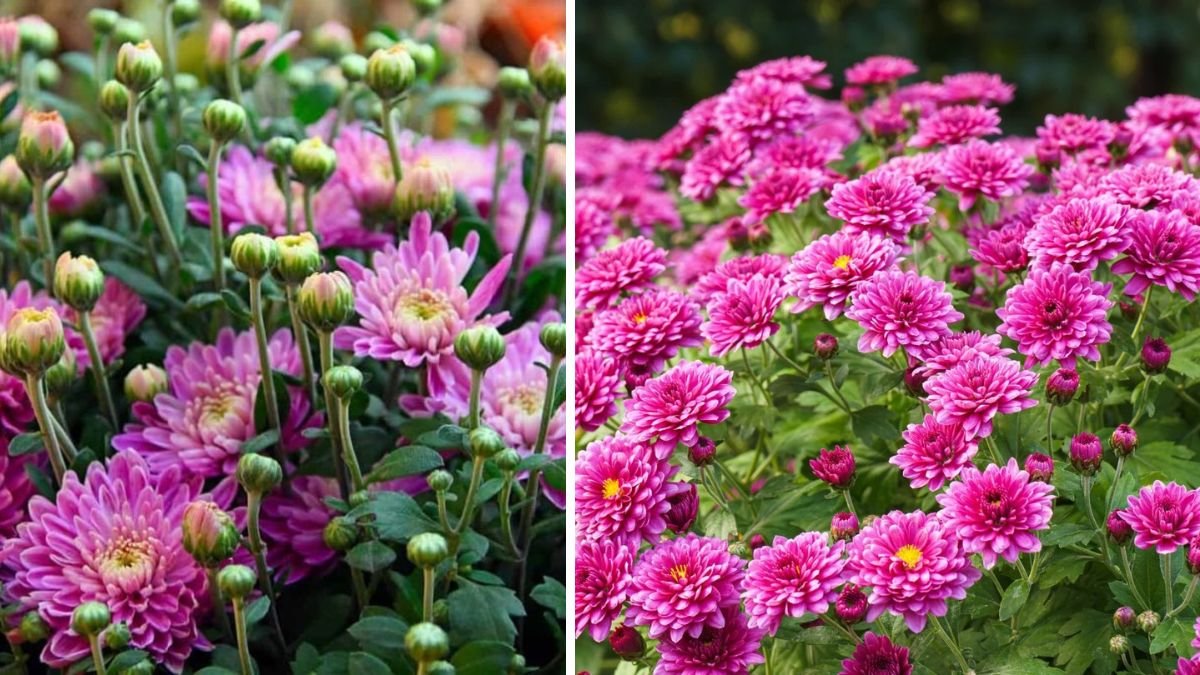

Chrysanthemums, often referred to as “mums,” are cherished for their stunning blooms and vibrant colors, making them a favorite in home gardens. Growing chrysanthemums from cuttings is an excellent way to propagate these beautiful flowers, ensuring your garden is brimming with lively colors while also offering a fulfilling gardening experience. This article delves into the best methods for propagating chrysanthemums from cuttings, discusses care tips for thriving blooms, and answers frequently asked questions.
Why Grow Chrysanthemums from Cuttings?
Growing chrysanthemums from cuttings has several advantages:
- Genetic Uniformity: Cuttings ensure that the new plants are genetically identical to the parent plant, maintaining the flower’s color and characteristics.
- Faster Maturity: Starting from cuttings can lead to quicker flowering than starting from seeds.
- Cost-Effective: Propagation from cuttings allows gardeners to expand their chrysanthemum collections without purchasing new plants.
The Best Time for Taking Cuttings
The ideal time to take chrysanthemum cuttings is during the early spring or late summer. At this time, the plants are in active growth and the cuttings are more likely to root successfully. For the best results, aim for early morning or late afternoon when temperatures are cooler.
Step-by-Step Guide to Growing Chrysanthemums from Cuttings
Step 1: Gather Supplies
Before taking cuttings, gather the necessary materials:
- Healthy Chrysanthemum Plant: Choose a vigorous plant with no signs of disease or pests.
- Sharp Scissors or Pruning Shears: Ensure they are clean to prevent the spread of pathogens.
- Rooting Hormone: Optional, but it can encourage quicker root development.
- Potting Mix: A well-draining soil mix, preferably one designed for seed starting or cuttings.
- Small Pots or Seedling Trays: For planting the cuttings.
- Plastic Bag or Dome: To create a humid environment around the cuttings.
Step 2: Taking the Cuttings
-
Select Healthy Stems: Look for young, green stems that are about 3-4 inches long and have at least two sets of leaves. Avoid woody or flowering stems as they may not root well.
-
Make a Clean Cut: Using your sharp scissors or shears, make a clean cut just below a leaf node. This is where roots are likely to develop.
-
Prepare the Cuttings: Remove the lower leaves, leaving only the top two sets. This minimizes moisture loss and allows the cutting to focus energy on root development.
Step 3: Applying Rooting Hormone (Optional)
If using a rooting hormone, dip the cut end of each cutting into the hormone powder or gel and shake off any excess. This will stimulate root growth and improve the chances of successful propagation.
Step 4: Planting the Cuttings
-
Prepare the Pots: Fill your small pots or seedling trays with the potting mix and moisten it lightly. Ensure the soil is not soggy, as excessive moisture can lead to rot.
-
Insert the Cuttings: Make a hole in the soil with your finger or a stick, then gently insert the cuttings about 2 inches deep. Space them apart to prevent overcrowding.
-
Firm the Soil: Lightly press the soil around the base of each cutting to ensure good contact.
Step 5: Creating a Humid Environment
Chrysanthemum cuttings thrive in high humidity. To create this environment:
-
Cover with Plastic: Place a clear plastic bag or a humidity dome over the pots, ensuring it doesn’t touch the leaves. This will trap moisture and help maintain a humid atmosphere.
-
Ventilation: Open the cover for a few minutes each day to allow airflow and prevent mold.
Step 6: Caring for the Cuttings
-
Light: Place the pots in a location where they receive bright, indirect sunlight. Direct sunlight can scorch the cuttings while too little light can hinder growth.
-
Watering: Keep the soil consistently moist but not waterlogged. Water carefully from the bottom to encourage root development.
-
Temperature: Maintain a temperature of around 65°F to 75°F (18°C to 24°C), which is optimum for root growth.
Step 7: Checking for Root Development
After about 4-6 weeks, gently tug on the cuttings. If you feel resistance, they have rooted successfully. You may also notice new growth, which is another good sign.
Step 8: Transplanting
Once your cuttings have established roots and show signs of new growth, it’s time to transplant them:
-
Choose a Larger Pot: Select a pot that is larger than the initial one to allow for continued growth.
-
Transplanting: Gently remove the rooted cutting, handling it by the leaves rather than the stem. Place it in the new pot filled with potting mix and water thoroughly.
-
Acclimatization: Gradually acclimate the young plants to outdoor conditions. Start by placing them outside for a few hours a day and gradually increase their exposure.
Step 9: Caring for Young Plants
As the chrysanthemums grow, continue to provide the necessary care:
-
Watering: Water regularly but let the soil dry out between waterings to prevent overwatering.
-
Fertilizing: After a month, begin feeding with a balanced fertilizer every 4-6 weeks.
-
Pruning: Pinch back the tips whenever your plants grow about 6-8 inches tall. This encourages bushier growth and more blooms.
Best Practices for Thriving Blooms
-
Sunlight: Chrysanthemums thrive in full sun. Ensure they receive at least 6 hours of direct sunlight daily.
-
Soil Quality: Use well-draining soil enriched with organic matter, like compost, to provide the nutrients chrysanthemums need.
-
Pest Control: Keep an eye out for pests such as aphids and spider mites. Use insect soap or neem oil for treatment if needed.
-
Timing: For fall blooms, start your cuttings in late spring. Ensure they are well-established before the first frost.
-
Seasonal Care: In colder climates, consider mulching around the base in the fall to protect the roots during winter.
Frequently Asked Questions (FAQs)
1. How long does it take for chrysanthemum cuttings to root?
Generally, chrysanthemum cuttings will root within 4-6 weeks if given the right conditions.
2. Can I propagate chrysanthemums from store-bought flowers?
Yes, but it’s less reliable. Store-bought flowers may not root as well since they are often cut from plants in bloom. If you try it, ensure they are healthy and fresh.
3. What type of soil is best for rooting chrysanthemum cuttings?
A well-draining potting mix, preferably one designed for seed starting or cuttings, is ideal. Adding perlite or vermiculite can enhance drainage.
4. How do I know when to transplant the cuttings?
Transplant the cuttings when they show signs of new growth and have established roots, typically within 4-6 weeks.
5. Should I water my cuttings every day?
No, water when the soil feels slightly dry to the touch. Consistent moisture is vital, but avoid waterlogging.
6. Can I grow chrysanthemums indoors?
Yes, chrysanthemums can be grown indoors if they receive adequate sunlight and care. Just ensure they have enough light, ideally from a south-facing window.
Conclusion
Growing chrysanthemums from cuttings can be a rewarding experience that adds color and life to your home garden. By following these steps and ensuring proper care, you will be on your way to enjoying vibrant, thriving blooms. Whether you are a seasoned gardener or a newcomer, propagating chrysanthemums will enhance your gardening skills and enrich your outdoor space. Enjoy the beauty of these stunning flowers!