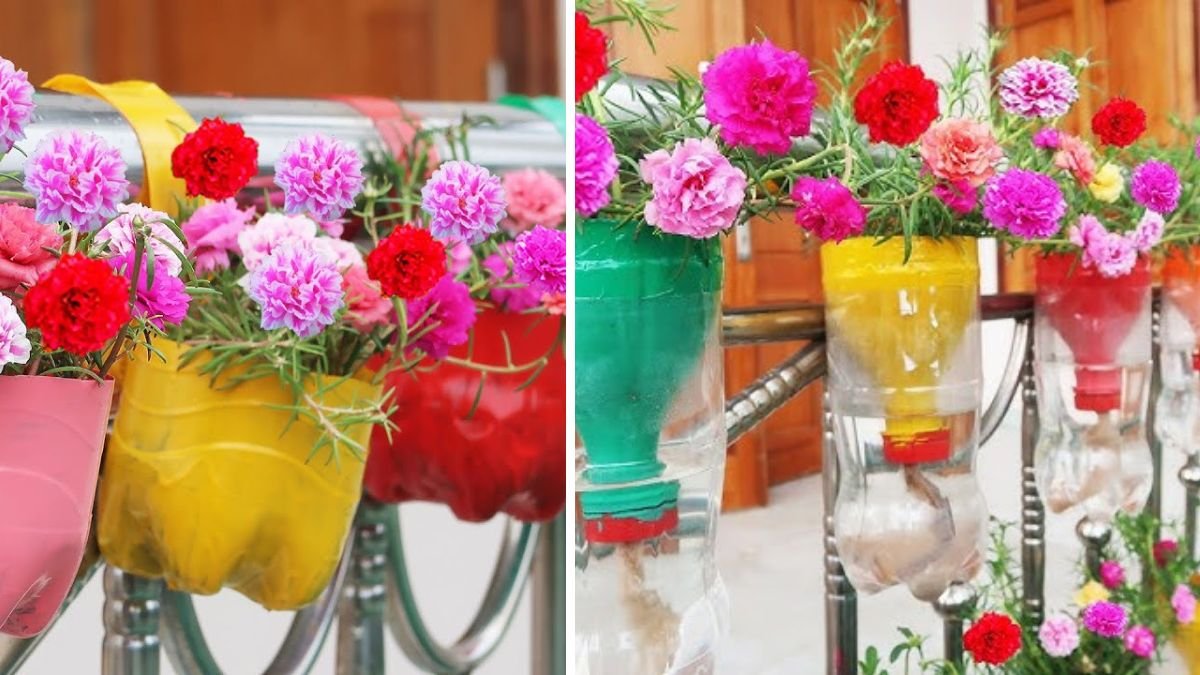

Transforming Plastic Waste into Green Wonders
Urban living often comes with limited outdoor space, yet the desire for greenery and fresh herbs never diminishes. Enter the concept of a Beautiful 3‑Storey Hanging Garden from Plastic Bottles for Small Spaces, a creative solution that combines sustainability with practicality. This vertical garden design allows homeowners and apartment dwellers to repurpose plastic waste into a visually stunning and functional plant display.
Not only does this project address the growing problem of plastic pollution, but it also enhances air quality, aesthetics, and biodiversity in urban areas. From colorful flowers to edible herbs, a bottle-based hanging garden brings life and freshness to even the tiniest balcony.
The Environmental Importance of Bottle Gardens
Plastic pollution is a major global concern. According to the United Nations, over 300 million tons of plastic are produced each year, with a significant portion ending up in landfills and oceans. Single-use plastic bottles are particularly problematic because they degrade extremely slowly. Repurposing these bottles into hanging gardens addresses this issue by:
- Reducing waste: Giving discarded bottles a second life prevents them from contributing to environmental pollution.
- Promoting urban greenery: Vertical gardens can transform balconies, terraces, and walls into lush, green spaces.
- Enhancing air quality: Plants naturally filter pollutants, improving indoor and outdoor environments.
- Educating communities: Such projects encourage sustainable practices and eco-conscious habits.
By transforming plastic bottles into planters, this project effectively turns trash into treasure, aligning perfectly with the principles of the circular economy.
Authoritative reference: The Better India – Vertical Gardens from Plastic Bottles
Materials Needed for Your Hanging Garden
Creating a 3-storey hanging garden requires simple, inexpensive materials, most of which can be found at home or a local hardware store:
- Plastic bottles: 1–2 liter PET bottles are ideal. Ensure they are clean and dry.
- Strong string or rope: For suspending bottles vertically.
- Scissors or craft knife: To cut openings for plants.
- Potting soil: Use a light, well-draining mix suitable for the plants you intend to grow.
- Seedlings or seeds: Herbs like basil, mint, and coriander, or small flowering plants.
- Hooks or wall anchors: Optional, for securing the garden to walls or ceilings.
This project’s simplicity makes it accessible to all ages, including children who can help with planting and assembly. It also provides an opportunity to educate young minds about recycling and sustainability.
Step-by-Step Guide to Building Your Hanging Garden
Creating your 3-storey hanging garden is both a fun DIY project and a way to practice eco-conscious living. Here’s a step-by-step guide:
1. Prepare the Bottles
- Remove all labels and thoroughly rinse the bottles.
- Cut a rectangular or circular opening along the side of each bottle where plants will grow.
- Puncture small drainage holes at the bottom of each bottle to allow excess water to escape.
Tip: Make the opening large enough to fit soil and seedlings but not so large that plants fall out.
2. Fill with Soil and Plants
- Add a layer of small stones at the bottom for extra drainage.
- Fill bottles with high-quality potting soil.
- Plant your chosen herbs, succulents, or flowers.
Best plants for small vertical gardens:
- Herbs: basil, parsley, mint, cilantro
- Vegetables: cherry tomatoes, small peppers
- Flowers: petunias, marigolds, nasturtiums
3. Assemble the Vertical Structure
- Cut ropes or strings to the desired length.
- Tie the bottles securely around the neck and body, leaving enough space between each level to prevent plants from shading one another.
- Attach the top of the rope to a hook or ceiling mount.
For a sturdier setup, consider using a metal or wooden frame to support the bottles. A three-level configuration provides visual appeal and efficient space use, giving the impression of a small, lush vertical garden.
4. Positioning and Watering
- Place your garden in a location that receives adequate sunlight (at least 4–6 hours per day for most herbs and flowers).
- Water from the top; gravity ensures water trickles down, nourishing lower levels.
- Monitor soil moisture and plant health regularly to prevent overwatering or drying out.
Benefits of a 3‑Storey Plastic Bottle Garden
Creating a vertical garden with plastic bottles offers numerous advantages, especially for urban dwellers:
Space Efficiency
A 3-storey setup maximizes vertical space, making it perfect for apartments, balconies, and small terraces. It allows for growing a variety of plants in limited areas without compromising on greenery.
Cost-Effective and Eco-Friendly
Plastic bottles are often free or inexpensive, making this a low-cost gardening solution. By reusing waste materials, you contribute to reducing landfill accumulation and support sustainable urban living.
Aesthetic Appeal
The visual impact of a tiered, colorful hanging garden is unmatched. Flowers, foliage, and herbs add a natural charm and can be customized according to personal preference or seasonal trends.
Health and Wellbeing
Gardening, even in small spaces, is known to reduce stress and improve mental health. Additionally, growing herbs or small vegetables provides access to fresh, pesticide-free produce right at home.
Reference: The Solar Garden – Green Wall Projects
Tips for a Thriving Bottle Garden
- Use quality soil: Lightweight potting mixes retain moisture without becoming waterlogged.
- Ensure proper drainage: Avoid root rot by creating sufficient holes for water escape.
- Sunlight matters: Most herbs and flowers need 4–6 hours of sunlight daily.
- Secure your bottles: Strong ropes, hooks, or frames prevent accidents, especially in windy conditions.
- Rotate plants occasionally: This ensures even growth and exposure to sunlight.
With consistent care, your hanging garden can thrive year-round, providing fresh greenery and a sustainable hobby.
Authoritative Resources to Explore
For further guidance and inspiration, the following sources offer research-backed insights and practical tips:
- International Journal for Scientific Research & Development: Explores urban gardening and vertical bottle gardens. Read here
- The Green Wall Project: Offers community insights on vertical gardening using repurposed bottles. Visit here
- DIY eHow Hanging Planters Guide: Step-by-step instructions for turning bottles into stylish planters. Check it out
These sources provide inspiration, research data, and practical advice for creating thriving small-space vertical gardens.
Conclusion: From Waste to Wonder
A Beautiful 3‑Storey Hanging Garden from Plastic Bottles for Small Spaces is more than just a decorative element. It is a statement about sustainability, creativity, and urban gardening innovation. By repurposing plastic bottles, you reduce environmental waste, maximize small spaces, and bring nature closer to your home.
Whether you are a seasoned gardener or a beginner looking to add greenery to your balcony, this DIY project is rewarding, eco-friendly, and aesthetically pleasing. Start with a few bottles, experiment with plant types, and expand to a full three-tier hanging garden. Over time, your small-space garden can grow into a vibrant, lush oasis that reflects both your environmental consciousness and gardening creativity.