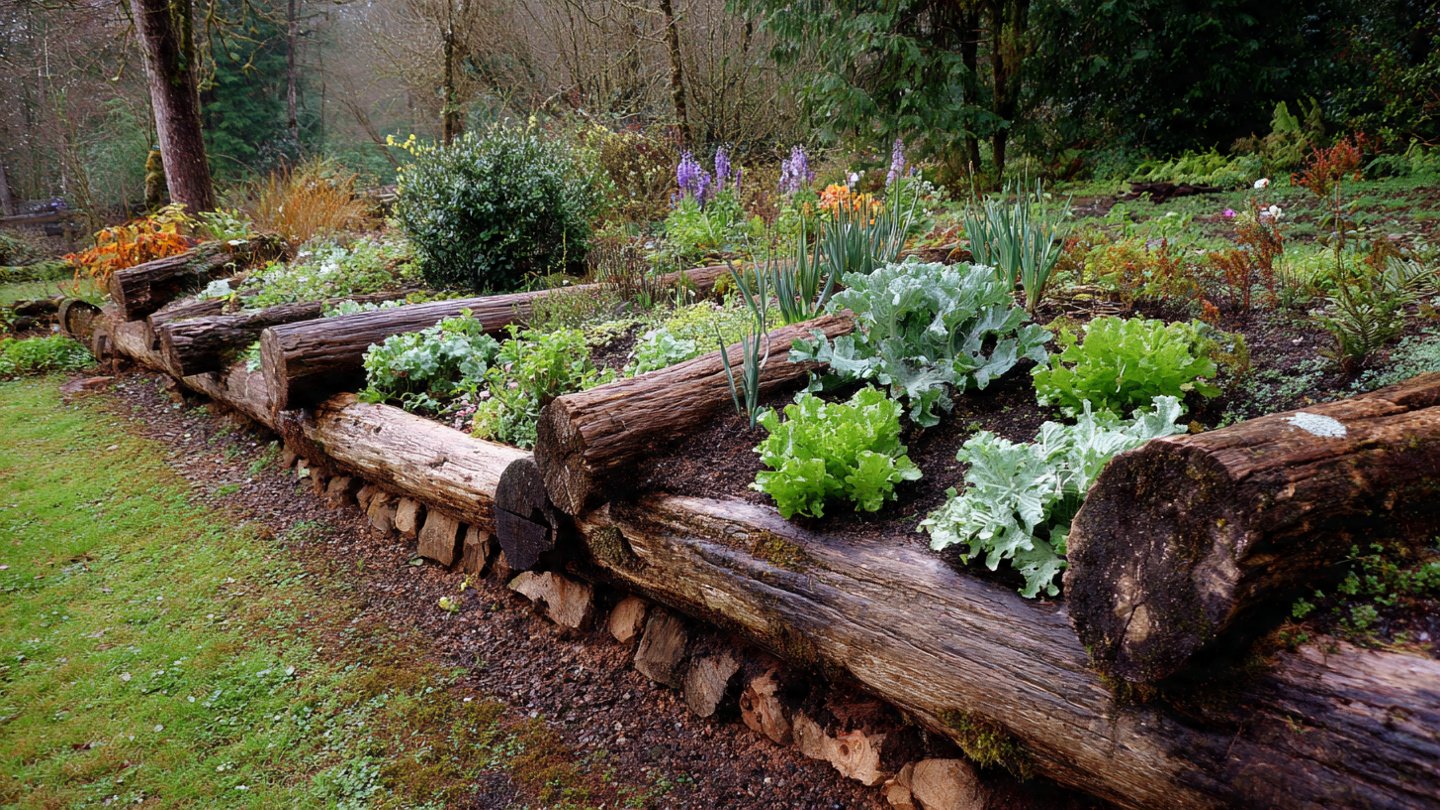

As winter approaches, many gardeners are busy preparing their plots for the colder months ahead. Among the myriad of tasks to consider—such as mulching, soil amendment, and winterizing plants—there’s one technique that often gets overlooked: burying old logs in garden beds. This age-old practice may seem insignificant, but it has the potential to offer numerous benefits for your garden’s health and sustainability. In this article, we will explore the advantages of incorporating old logs into your garden beds during winter and how to do it effectively.
The Science Behind Burying Logs
When we think about logs, we often consider them as waste or debris, especially in the context of yard maintenance. However, logs play an essential role in ecosystems, particularly in garden settings. Here is why burying logs can be advantageous:
1. Nutrient Release
Old logs are typically rich in carbon, a vital component for soil health. As they decompose, they release nutrients and minerals back into the soil. This slow-release nutrient strategy helps enhance soil fertility over time, providing a natural way to enrich your garden beds without relying solely on chemical fertilizers.
2. Improved Soil Structure
Logs contribute to the overall structure of the soil. Their presence helps create air pockets, improving aeration and drainage. This enhanced soil structure allows plant roots to penetrate deeper, accessing vital minerals and moisture. Over time, the logs will break down, further enriching the soil with organic matter.
3. Moisture Retention
Burying logs can also boost soil moisture retention. The logs act as a sponge, absorbing water and slowly releasing it to nearby plants, reducing the need for frequent watering. This can be especially beneficial during dry spells in winter or early spring.
4. Biodiversity Enhancement
Old logs provide habitat for a variety of organisms, from beneficial fungi and bacteria to insects and small animals. This increased biodiversity can result in a healthier garden ecosystem, promoting natural pest control and pollination.
How to Bury Logs Effectively
The process of burying logs is relatively straightforward. Here are steps to ensure you do it effectively:
1. Choose the Right Logs
Select logs that are not treated with chemicals, as these can leach harmful substances into the soil. Hardwood logs are often preferable due to their slower decomposition rate, which provides long-term benefits.
2. Prepare Your Garden Bed
Before burying the logs, clear the garden bed of any debris and weeds. Then, dig a trench about 1 to 2 feet deep. This depth will allow sufficient room for the logs while minimizing the risk of pests.
3. Position the Logs
Lay the logs in the trench horizontally. If you have larger logs, consider breaking them up into smaller pieces for better decomposition. Make sure to leave space between each log to allow for air circulation.
4. Cover and Compost
After placing the logs, cover them with a layer of soil. To kickstart the decomposition process, you can add compost or organic matter on top of the logs. This addition will introduce beneficial microorganisms that help break down the wood.
5. Monitor and Maintain
Once the logs are buried, monitor the area over winter. Check for signs of decomposition, as well as the overall health of adjacent plants. Ensure the soil remains adequately moist but not waterlogged.
Additional Benefits of Burying Logs
Alongside the primary advantages discussed, burying logs can have additional ecological benefits such as:
- Carbon Sequestration: By burying logs, you contribute to carbon storage in your garden, helping mitigate climate change.
- Minimizing Waste: Using old logs reduces garden waste, promoting sustainable gardening practices.
- Creating a Microclimate: The logs can help moderate soil temperature, providing a more stable environment for plant roots during temperature fluctuations.
Conclusion
Burying old logs in your garden beds this winter can be a game-changer for soil health, plant nutrition, and overall garden sustainability. Not only do they contribute to the slow release of nutrients and improved soil structure, but they also help retain moisture and promote biodiversity. The practice is simple, cost-effective, and environmentally friendly, enabling you to enhance your garden while minimizing waste. As you prepare your garden for the colder months, consider embracing this age-old technique to reap the long-term benefits for your plants and the ecosystem.
FAQs
1. How long does it take for buried logs to decompose?
The decomposition rate of logs can vary greatly based on wood type, environmental conditions, and moisture levels. Generally, hardwoods can take several years to fully break down, making them a long-term solution for enhancing soil quality.
2. Can I use treated wood for burying?
No, it’s best to avoid using treated wood, as it can leach harmful chemicals into the soil. Opt for untreated hardwood or even other natural materials like branches and twigs.
3. Will burying logs attract pests to my garden?
Burying logs can occasionally attract pests; however, they also provide habitat for beneficial organisms. Monitor your garden regularly to manage any potential pest issues.
4. Can I bury logs in all types of soil?
Yes, you can bury logs in various soil types, though their benefits will be more pronounced in heavier soils that require improved drainage and aeration.
5. Can I grow plants directly on top of the buried logs?
Yes, you can plant directly on top of the buried logs. Just ensure that your soil is rich enough and that the logs are sufficiently decomposed to provide adequate nutrients for your plants.