
Introduction
Home gardening has become one of the most fulfilling hobbies, especially for those looking to cultivate fresh, nutrient-rich greens right at home. Among leafy vegetables, Malabar Spinach stands out as a versatile, heat-tolerant plant that thrives in warm weather. Unlike traditional spinach, which struggles in the summer heat, Malabar Spinach grows vigorously, providing a steady supply of tender leaves.
In this guide, we will explore a brilliant idea for another way to grow Malabar Spinach at home, including innovative propagation methods, care tips, and space-saving techniques. Whether you have a spacious backyard, a small balcony, or even an indoor setup, you can enjoy fresh, vibrant greens using [FOCUS KEYWORD].
What Is Malabar Spinach?
Malabar Spinach (Basella alba), also known as Ceylon spinach or Indian spinach, is a fast-growing, climbing vine native to the Indian subcontinent and Southeast Asia. While not a true spinach, its leaves are tender, slightly mucilaginous, and packed with nutrients like vitamins A, C, and iron.
Unlike regular spinach, Malabar Spinach thrives in hot, humid climates, making it a favorite in regions with long summers. The plant can grow up to 10 meters if provided with proper support, and it produces lush, glossy leaves that can be harvested continuously throughout the season.
This versatile vegetable can be used in salads, stir-fries, soups, or even smoothies. Its adaptability to vertical growing and container gardening makes it ideal for urban homes and small spaces.
Why Grow Malabar Spinach at Home?
Homegrown Malabar Spinach comes with numerous advantages:
- Heat-Tolerant: Unlike traditional spinach, it grows well in hot weather.
- Continuous Harvest: Leaves can be picked as needed, ensuring fresh greens year-round.
- Space-Efficient: Its climbing habit allows vertical gardening, saving space.
- Easy Propagation: Can be grown from seeds or cuttings with minimal effort.
- Nutritious: High in essential vitamins and minerals, supporting a healthy diet.
Growing your own Malabar Spinach is a sustainable, cost-effective way to add leafy greens to your meals. Plus, the satisfaction of watching a plant flourish at home is unmatched.
Brilliant Ideas for Growing Malabar Spinach at Home
Here are some practical, beginner-friendly methods to grow Malabar Spinach using [FOCUS KEYWORD].
1. Growing from Stem Cuttings
One of the easiest ways to propagate Malabar Spinach is through stem cuttings. This method is ideal for beginners who want quick results without the challenges of seed germination.
Steps:
- Select a healthy vine with at least 6–8 inches of stem.
- Cut just below a growth node using clean scissors.
- Place the cutting in a glass of water or directly in moist, well-draining soil.
- Ensure the soil remains consistently moist until roots develop, which usually takes 1–2 weeks.
Once the roots are established, transplant the cutting into a larger pot or garden bed. This method allows gardeners to clone healthy plants, ensuring faster growth and uniformity.
2. Growing from Seeds
If you prefer starting from seeds, soaking them overnight before planting can dramatically improve germination rates. Malabar Spinach seeds have a hard coating, and soaking softens it, allowing roots to emerge more easily.
Planting Steps:
- Sow seeds about ¼ inch deep in nutrient-rich, well-draining soil.
- Maintain a warm environment, ideally 65–75°F (18–24°C).
- Keep the soil moist but not waterlogged to prevent rot.
- Thin seedlings after 3–4 weeks to allow adequate space for growth.
Seeds are excellent for scaling up your garden or experimenting with different varieties. Although slightly slower than cuttings, growing from seed ensures genetic diversity and resilience in your plants.
3. Vertical Growing
Malabar Spinach naturally climbs, making it perfect for trellises, fences, or even DIY supports. Vertical growing offers multiple advantages:
- Maximizes Space: Ideal for balconies, patios, or small gardens.
- Better Sunlight Exposure: Leaves get adequate sunlight, promoting lush growth.
- Improved Air Circulation: Reduces fungal infections and keeps leaves healthy.
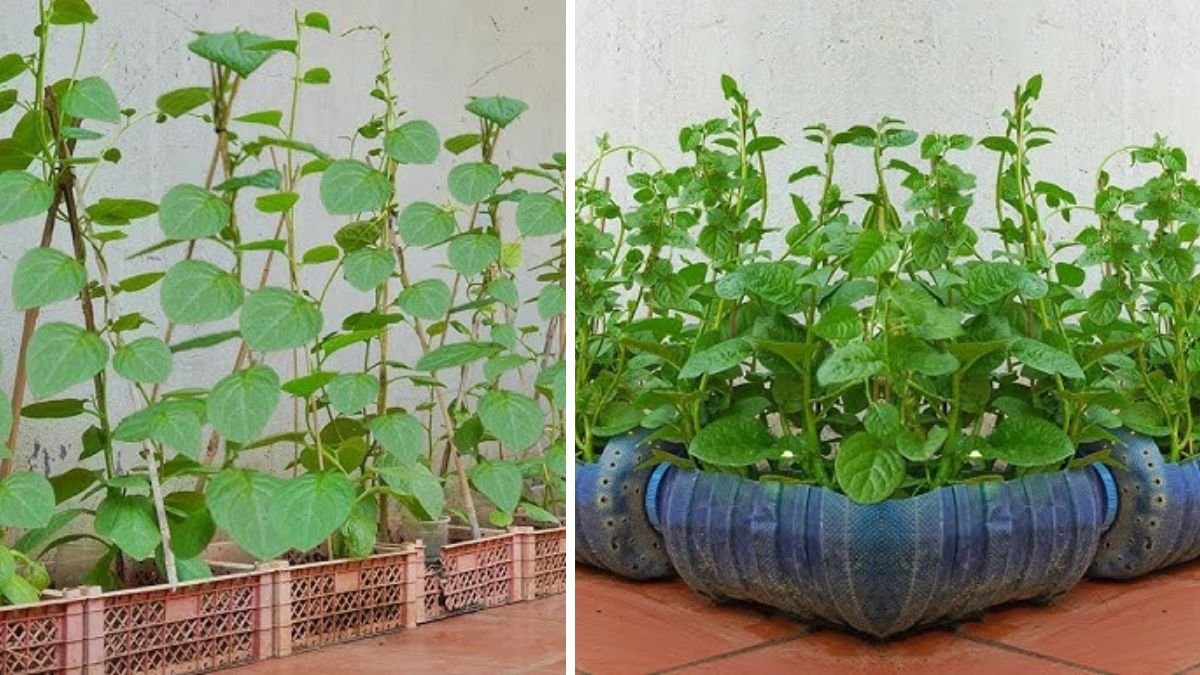
A simple trellis, bamboo poles, or wire mesh can act as support. Train the vines gently to climb the structure, and prune regularly to encourage branching. Vertical setups not only increase yield but also create a visually appealing green wall in your home garden.
4. Container Gardening
For apartment dwellers or urban gardeners, Malabar Spinach grows well in pots, window boxes, or large containers. Choose a container at least 12 inches deep with good drainage holes. Use a rich potting mix and ensure consistent watering.
Container gardening makes it easy to move plants to sunny spots and manage soil conditions effectively. Pairing containers with a small trellis allows the plant to climb vertically even in limited spaces.
Care Tips for Thriving Malabar Spinach
Proper care is essential for healthy growth and high yield. Here are some tips:
- Sunlight: Prefers full sun but tolerates partial shade.
- Watering: Keep soil consistently moist; avoid letting it dry out.
- Soil: Rich, well-draining soil with added compost works best.
- Fertilization: Apply organic fertilizer every 4–6 weeks during the growing season.
- Pruning: Regular harvesting of young leaves encourages bushier growth.
Following these simple care practices ensures your Malabar Spinach remains vibrant and productive.
Common Problems and Solutions
While Malabar Spinach is relatively low-maintenance, gardeners may encounter a few issues:
- Yellowing Leaves: Usually due to nutrient deficiency or overwatering. Apply balanced fertilizer and ensure proper drainage.
- Pests: Aphids and caterpillars may appear. Use neem oil or insecticidal soap for control.
- Poor Growth: Often caused by insufficient sunlight or crowded plants. Ensure proper spacing and adequate light.
By addressing these issues early, you can maintain a healthy, productive garden.
Nutritional Benefits of Malabar Spinach
Malabar Spinach is not only delicious but also highly nutritious:
- Rich in Vitamin A: Supports vision and immune health.
- High in Vitamin C: Boosts immunity and aids skin health.
- Iron Content: Helps prevent anemia and supports energy levels.
- Antioxidants: Protect cells from oxidative stress.
- Fiber: Promotes digestive health and satiety.
Incorporating Malabar Spinach into your diet provides both health and culinary benefits, whether fresh in salads or cooked in soups and stews.
Authoritative Sources
For further guidance and detailed cultivation tips, consult these reputable sources:
- The Spruce – Malabar Spinach Growing Guide
- University of Florida IFAS – Florida Cultivation Guide
- Gardening Know How – How to Grow Malabar Spinach
These sources provide science-backed tips and expert insights for both beginners and seasoned gardeners.
Conclusion
Growing Malabar Spinach at home is both a practical and rewarding venture. Whether you choose to propagate from cuttings, start from seeds, or grow vertically, the plant is versatile, resilient, and easy to manage. Using [FOCUS KEYWORD], you can enjoy a constant supply of fresh, nutritious greens, even in small urban spaces.
By following the tips and techniques outlined above, you can transform your balcony, garden, or kitchen space into a lush, edible paradise. Not only will you enjoy healthier meals, but you’ll also experience the joy of cultivating your own vibrant, leafy greens.
Start today and watch your Malabar Spinach thrive using this brilliant home gardening idea!