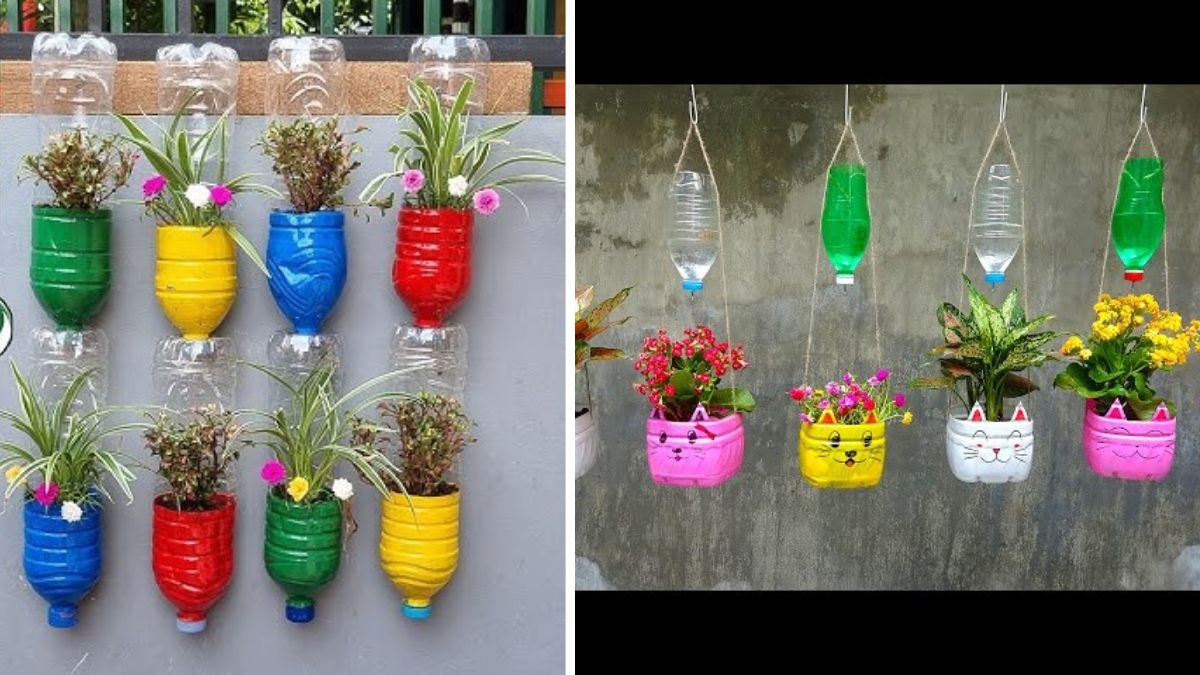

Introduction: Turning Waste Into Green Wonders
Plastic pollution and shrinking urban green spaces are two of the biggest environmental challenges today. Single-use plastic bottles often end up in landfills, rivers, or oceans, contributing to long-term ecological damage. But a growing movement of eco-conscious innovators is transforming this waste into beauty and utility. One of the most inspiring trends is the creation of hanging gardens from plastic bottles.
These gardens are not only aesthetically pleasing, but they also serve multiple purposes. They help reduce plastic waste, improve air quality, beautify urban areas, and provide an accessible way for anyone to practice gardening—even in tight spaces. What was once trash now becomes a vessel for life, demonstrating the power of creativity and sustainability.
Latest News & Projects (2025–2026)
Student-Led Vertical Bottle Garden
A recent initiative at Delhi School of Social Work (DSSW) has captured widespread attention. Fifty-five students designed and installed two vertical gardens entirely made of recycled plastic bottles as part of their “Green Dreams” sustainability project. The team collected used bottles from the campus, cleaned them, and fashioned them into planters mounted on walls.
The results were impressive: the walls became green oases, attracting attention from students, faculty, and visitors. Beyond the visual impact, the project sparked conversations on sustainable practices and encouraged others to explore eco-friendly alternatives in daily life. This example highlights the growing potential of vertical bottle gardening as both an educational and environmental tool.(The Better India)
Urban Balcony and Community Gardens
Urban apartment dwellers are embracing hanging bottle gardens to maximize their limited space. Many residents transform balconies, stairwells, and walls into thriving green spaces using plastic bottles as planters. In towns like Jhabua, local communities have even turned bottles into decorative garden art, combining environmental awareness with creative expression. These small-scale projects are proving that sustainable urban gardening is possible for anyone, anywhere.(New Indian Express)
How to Build Your Own Hanging Garden From Plastic Bottles
Creating a hanging garden from plastic bottles is both cost-effective and fun. Here’s a detailed guide:
Materials Needed
- Used plastic bottles (1–2 L bottles work best)
- Scissors or a utility knife
- Strong string or rope
- Soil and potting mix
- Seeds or small plants
- Drill (for drainage holes)
Step-by-Step Guide
- Prepare the Bottles: Keep the bottle cap on and cut the bottom off or slice it horizontally to create an open section for soil and plants.
- Add Drainage: Drill small holes in the bottom or cap to prevent waterlogging.
- Attach Hanging Mechanism: Use ropes or strings to suspend the bottles vertically or mount them onto walls.
- Planting: Fill the bottles with soil and add your choice of plants—herbs like coriander, mint, or basil are ideal, as well as small flowers or succulents.
- Positioning: Place your garden in an area with adequate sunlight, and water regularly.
By creatively cutting bottles, you can even double the number of planters from a single bottle. This is especially useful for vertical arrangements or small balconies.(The Better India)
Benefits of Hanging Bottle Gardens
Environmental Benefits
- Waste Reduction: Each hanging garden reuses multiple plastic bottles that would otherwise pollute the environment.
- Urban Greening: Vertical gardens contribute to green cover in concrete-heavy areas, improving air quality and reducing heat.
- Pollinator Support: Flowering plants in bottle gardens attract bees, butterflies, and other pollinators, helping maintain local biodiversity.
Educational and Community Impact
Bottle gardens offer practical sustainability education. School projects and community workshops teach participants how to upcycle materials and understand the value of environmental stewardship. Such initiatives instill eco-conscious habits in younger generations while encouraging community collaboration.
Accessibility and Affordability
One of the most compelling aspects of hanging bottle gardens is accessibility. They require minimal investment and can be implemented in homes, schools, offices, or public spaces, making sustainable gardening achievable for anyone. This democratization of green initiatives has the potential to transform urban landscapes globally.
Research Spotlight: Sustainability and Science
Recent studies emphasize that vertical bottle gardening is more than just a creative activity—it’s a scientifically backed approach to urban sustainability. Researchers note that these gardens can help reduce carbon footprints, conserve water through efficient drip irrigation, and support urban biodiversity. Additionally, community engagement with bottle gardens promotes environmental awareness, making them a potent tool for both education and climate action.(IJSRD)
Creative Ideas for Hanging Bottle Gardens
- Balcony Herb Gardens: Maximize space in apartments by growing culinary herbs in hanging bottles.
- Edible Vertical Walls: Convert unused walls into vertical food gardens with leafy greens and cherry tomatoes.
- Community Art Installations: Use bottles to create aesthetically appealing installations in public spaces.
- Indoor Micro-Gardens: Even small rooms can benefit from vertical planters for air purification and decor.
These innovations demonstrate the flexibility of bottle gardening in urban planning and sustainable design.
Tips for Long-Term Success
- Rotate Plants Seasonally: Swap out seasonal plants to maintain productivity and aesthetics.
- Monitor Watering: Check drainage holes regularly to prevent waterlogging.
- Fertilize Sparingly: Use organic compost to encourage healthy plant growth without chemicals.
- Repair and Reuse Bottles: Extend the life of your garden by repairing worn bottles and rotating planters as needed.
By maintaining these simple practices, hanging bottle gardens can thrive year-round, offering beauty, greenery, and practical lessons in sustainability.
Authoritative Sources & References
To learn more about vertical gardening with recycled bottles:
- The Better India – Inspiring DIY projects and sustainability initiatives.(thebetterindia.com)
- Litter Intelligence – Innovative actions to upcycle plastic into gardens.(litterintelligence.org)
- International Journal for Scientific Research & Development – Research on urban greening and vertical bottle gardens.(ijsrd.com)
Final Thoughts
Hanging gardens made from plastic bottles illustrate the perfect intersection of creativity, sustainability, and urban gardening. They transform waste into life, educate communities, and bring greenery to spaces that might otherwise remain barren. Whether implemented in schools, apartments, or public areas, these gardens show that small actions can have a profound environmental impact.
As cities grow and environmental challenges increase, initiatives like these demonstrate that eco-conscious innovation starts at home—and often with something as simple as a recycled plastic bottle