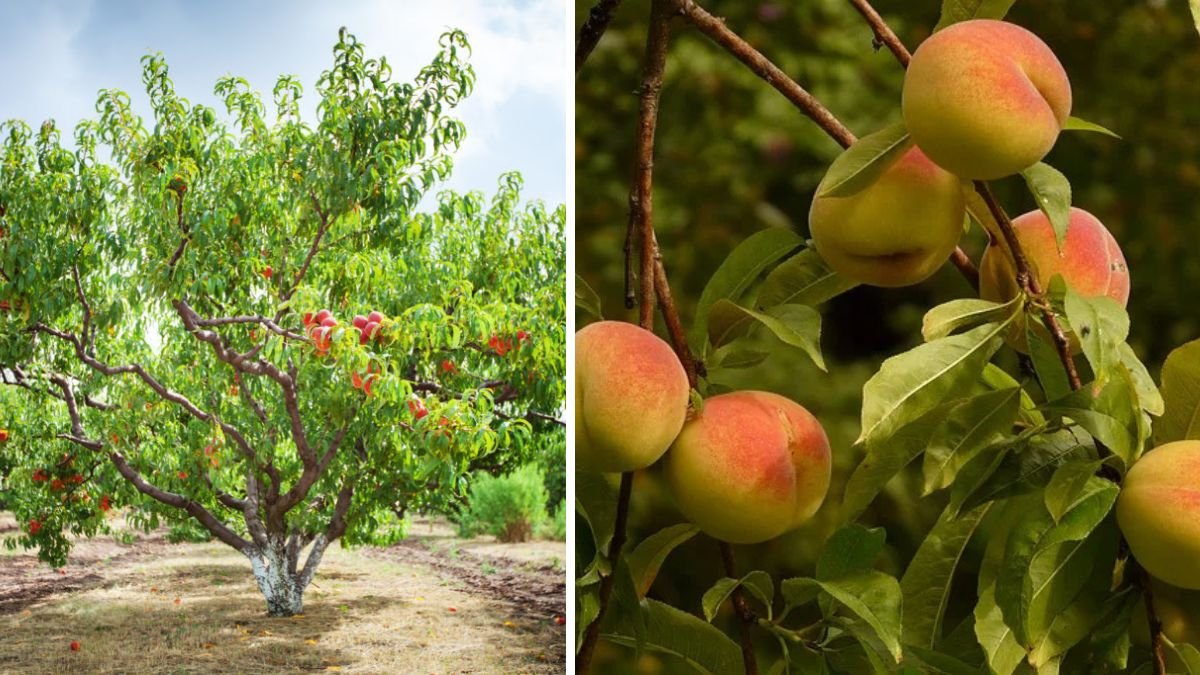

Growing fruit trees can be one of the most rewarding aspects of gardening, especially when it comes to growing nectarines. These sweet, juicy fruits not only enhance your garden’s aesthetic appeal but also provide delightful harvests. For those of us with limited space, compact nectarine trees are perfect candidates for urban gardening. In this comprehensive guide, we’ll explore the essentials of successfully growing compact nectarine trees in small spaces, touching on everything from selecting the right variety to maintenance tips and potential challenges.
What Are Compact Nectarine Trees?
Compact nectarine trees are varieties of nectarines that have been bred to grow smaller and require less space than traditional trees. Usually reaching a height of 4 to 6 feet, these trees can thrive in pots or small garden plots, making them ideal for patios, balconies, or small yards.
Choosing the Right Variety
Before diving into the care of your compact nectarine tree, it’s crucial to select the right variety. Here are some popular compact nectarine varieties that are well-suited for small spaces:
-
Garden Delight: This self-pollinating, dwarf variety reaches about 4 feet in height and produces delicious, aromatic fruit.
-
Frost: Another dwarf type, Frost is known for its excellent flavor and disease-resistant characteristics. It can grow up to 5 feet tall.
-
Naked Lady: A unique variety that grows to about 5 feet, Naked Lady is appreciated for its sweet flavor and beautiful flowers.
Site Selection
Sunlight Needs
Nectarines thrive in full sun, which means they require at least 6 to 8 hours of sunlight each day. When selecting a site for your compact nectarine tree, choose a location that receives ample sunlight. This is crucial for fruit production and tree health.
Soil Quality
Well-draining soil is key for healthy nectarine trees. A mix of loamy soil enriched with organic matter, such as compost, is ideal. Nectarines prefer a slightly acidic to neutral pH, ideally between 6.0 and 7.0.
Space Considerations
Even compact trees need sufficient air circulation, so ensure that your tree is not crowded by other plants. For potted trees, select a pot that is at least 18 to 24 inches in diameter to allow for adequate root development.
Planting Your Compact Nectarine Tree
Timing
The best time to plant your compact nectarine tree is in the early spring after the last frost, or in the fall if your climate allows it. This timing enables the tree to establish itself before extreme temperatures set in.
Steps to Plant
-
Prepare the Planting Hole: Dig a hole that is twice as wide and as deep as the root ball of your tree.
-
Amend the Soil: Mix organic compost into the soil that you dug out of the hole.
-
Position the Tree: Place the tree in the hole, ensuring that the graft union (swelling on the trunk) is at soil level.
-
Backfill: Fill in the hole with your amended soil and water thoroughly.
-
Mulch: Add a layer of mulch around the base of the tree to retain moisture, suppress weeds, and maintain consistent soil temperature.
Watering Requirements
Compact nectarine trees need proper watering, especially during their first year to establish roots. Here are some watering tips:
-
Watering Frequency: Water deeply once a week during dry spells, but be cautious not to overwater. Soil should be moist but not soggy.
-
Drip Irrigation: Consider using a soaker hose or drip irrigation system for consistent moisture without wetting the foliage.
-
Mulch Maintenance: Keep the mulch layer intact and replenish it as necessary to help with moisture retention.
Fertilization
To foster healthy growth and maximize fruit production, it is essential to provide necessary nutrients:
-
NPK Fertilizer: Use a balanced fertilizer (such as 10-10-10) in early spring before new growth begins. Follow the manufacturer’s instructions for application amounts.
-
Organic Options: Consider using organic fertilizers like composted manure or fish emulsion for a more natural approach.
-
Mid-Season Boost: If your tree appears sluggish or has poor fruit set, you might want to apply a second round of fertilizer in late spring.
Pruning and Training
Importance of Pruning
Regular pruning encourages better air circulation, shapes the tree, and promotes fruit production. Here’s how to effectively prune your compact nectarine tree:
-
Timing: Prune during late winter or early spring when the tree is still dormant.
-
Cutting Back: Remove any dead or crossing branches. Aim for an open-center structure, allowing sunlight to penetrate the interior.
-
Fruit Production: Thin out excess fruit for more robust fruit size. Generally, leaving one fruit per cluster is preferable.
Training Techniques
For compact trees, training can maximize space usage. Consider using:
-
Espalier: Training the tree against a wall or trellis can save space and present an aesthetic visual element.
-
Cordon: This technique involves growing the tree along a single stem, which is ideal for limited vertical space.
Pollination
While many compact nectarine varieties are self-pollinating, having multiple trees can increase fruit yield. If space allows, consider planting another variety nearby to encourage cross-pollination and enhance fruiting.
Pest and Disease Management
Common Pests
-
Aphids: Check the leaves for sticky residues or curling, and treat with insecticidal soap.
-
Coddling Moths: These can affect fruit. Use pheromone traps and consider insecticides as necessary.
-
Scale Insects: Check for raised bumps on branches. Hand removal or treatments with horticultural oil can help manage the problem.
Diseases to Watch For
-
Brown Rot: This fungal disease affects blossoms and fruits. Ensuring good air circulation and removing affected fruits is essential.
-
Leaf Curl: Look for curled and distorted leaves. Apply fungicides in late winter for prevention.
-
Root Rot: Caused by overwatering. Always check soil moisture levels before watering.
Harvesting Your Nectarines
Nectarines are usually ready for harvest in late summer, depending on the variety. To determine ripeness:
-
Color: Look for vibrant color specific to the variety.
-
Texture: The fruit should be slightly soft to the touch.
-
Ease of Picking: A ripe nectarine should come off the tree with a gentle twist.
Once harvested, nectarines are best consumed fresh but can also be canned, made into jams, or frozen for later use.
FAQs
1. Can I grow a compact nectarine tree in a pot?
Yes, compact nectarine trees are perfect for pots! Choose a pot that is at least 18 to 24 inches in diameter and ensure it has good drainage.
2. How often should I fertilize my compact nectarine tree?
Fertilize in early spring with a balanced fertilizer and, if necessary, a second application in late spring.
3. What are the ideal temperature conditions for growing nectarines?
Nectarines thrive in regions with warm summers and cold winters. Generally, they require chill hours (between 32°F and 45°F) during winter for fruitful production.
4. How can I protect my nectarine tree in winter?
In colder climates, consider wrapping the tree with burlap or using special tree wraps. Mulching the base with straw or wood chips can also help insulate the roots.
5. Why are my nectarine fruits drop prematurely?
Premature fruit drop can be caused by a range of factors, including stress from drought, poor pollination, or insufficient nutrients. Consider addressing environmental conditions, soil quality, and pests.
6. Are compact nectarines suitable for beginners?
Absolutely! Compact nectarine trees are manageable for novice gardeners and can thrive with basic care and attention.
By following these guidelines, you’ll set yourself up for success in growing compact nectarine trees in your home garden. With a little patience and care, you can enjoy the sweet rewards of homegrown nectarines even in a small space!